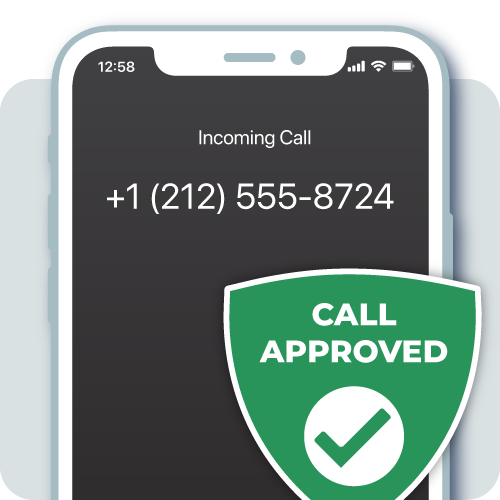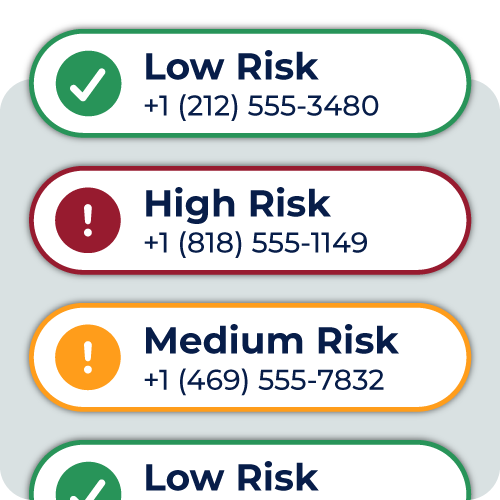

The voice channel is undergoing its most radical transformation since the invention of the smartphone. As AI-generated deepfakes and sophisticated voice scams proliferate, the phone call faces a crisis of confidence.
We are witnessing the “HTTPS moment” for telecommunications. Just as the transition to HTTPS turned web security from a technical niche into a universal requirement, call authentication has evolved from a nice-to-have innovation into the defining requirement for trust.
For the modern enterprise, consumers no longer just want to know who is calling; they demand proof of identity.
The Power of Partnership: Branding and Authentication
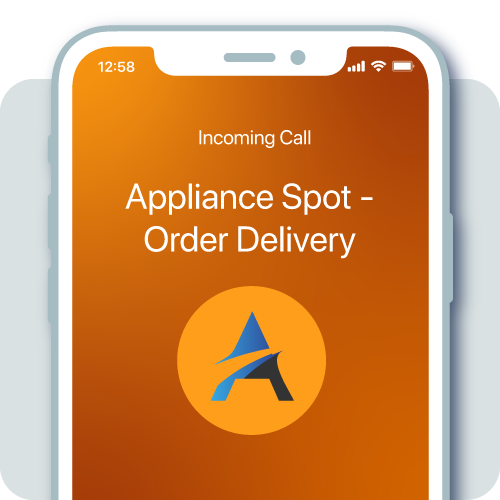
Branded calling remains a vital tool for business engagement. By displaying a company name and logo, businesses rise above the sea of unknown calls to create an immediate, professional connection.
However, branding reaches its full potential only when paired with verified legitimacy. Authentication acts as the essential partner to branding, providing a “digital handshake” that confirms the name on the screen is exactly who it claims to be. Together, they create a secure, recognizable environment that restores consumer confidence.
“Trust and transparency are paramount when dealing with sensitive information,” said Scott Hambuchen, CEO of First Orion. “Enterprises must ensure that only authenticated calls are delivered with their branding, providing true legitimacy to their customers.”
The Rise of the AI-Generated Threat
The urgency behind the call authentication shift stems from the rapid weaponization of artificial intelligence. Scammers now use generative AI to create voice clones that sound identical to bank representatives, healthcare providers, or family members.
The Most Secure Calling Experience on the Market
First Orion’s call authentication is the foundation of INFORM® with Logo and SENTRY ® Call Blocking and provides the most secure calling experience by working at the network level to verify the legitimacy of each call in real-time. Because scammers change their tactics daily, staying ahead of fraud requires a sophisticated, integrated solution.
Built directly into the network call flow, this technology verifies the calling party, the called party, and the exact time of the call. By analyzing these three pillars, the system determines how to treat a call before it reaches the recipient’s device.
High-Stakes Industries: Finance, Healthcare, and Insurance
While every business needs trust, for some, communication is a matter of financial survival or patient safety. In these sectors, a missed call is a critical failure.
The Strategic Necessity of End-to-End Security
The transition to a fully authenticated ecosystem requires a commitment to end-to-end security. This ensures the call is verified at the point of origin and remains protected until it reaches the consumer.
This process prevents attacks and number spoofing, ensuring your branding stays tethered to the authorized caller. Just as a business without a secure website appears suspicious to modern web users, a business that places unauthenticated calls will soon find itself locked out of the conversation.
“Authentication must become a universal trust signal built into the very fabric of our communication platforms,” said Hambuchen. “We are moving toward a frictionless, standardized security model where the network itself guarantees the identity of the caller before the phone even rings.”
Proactive Defense: SENTRY Call Blocking
While authentication establishes trust for your outgoing calls, your brand reputation remains at risk from external threats. Call spoofing has evolved into a form of identity theft where criminals hijack business numbers to run fraud campaigns.
SENTRY Call Blocking acts as your brand’s non-negotiable insurance policy. Unlike reactive solutions that try to fix “Spam” labels after the damage is done, SENTRY provides proactive defense at the network level.
Embracing the New Standard
The combination of INFORM Branded Calling, authentication, and proactive spoof-protection stands as the primary differentiator between successful enterprises and those that fade into the background.
By adopting these standards, businesses signal to their customers that they value security, transparency, and the sanctity of the personal conversation. Trust is the most valuable currency in the modern economy; in the world of voice communication, authentication and proactive protection are the only ways to mint it.
Branded Calling FAQs
Q: Who can use Branded Calling?
Branded calling can benefit businesses of any size that make outbound calls. This includes retailers, banks, car companies, call centers, and concierge services. If your business contacts customers, we help ensure those calls are answered while strengthening your brand reputation.
Q: How many devices does First Orion cover?
There are nearly 400 million phones in the U.S., including both iPhones and Androids. INFORM Branded Calling reaches customers on any connected in the U.S. and Canada. Our branded calling solutions work across every major U.S. carrier, including T-Mobile, Boost Mobile, Verizon and AT&T.
Q: Is Branded Calling easy to activate?
Yes! With INFORM® Branded Calling, there’s no complicated integration or special software needed. Since it’s carrier-based, your branded calls reach iPhone and Android users across all major U.S. networks and over 22 million customers in Canada. Need something more custom? We also offer an API for businesses that want to automate.
Q: What’s the difference between INFORM Branded Calling and caller ID?
Traditional caller ID is outdated and inconsistent. It relies on a patchwork of databases, and often customers don’t even see it. INFORM enables you to control how your business shows up with caller ID. You can even customize calls by department, such as sales, service, or delivery.
Q: How do I register my business number?
It’s easier than you think. Start by registering your number through the First Orion customer portal. Our free business number registration makes it simple! We guide you through the process to ensure your business is verified and your calls are not mislabeled. Register your number(s).
Q: What networks does First Orion serve?
All the big ones: T-Mobile, Boost Mobile, Verizon, AT&T, and more. With First Orion, you don’t have to worry about how your calls appear across different carriers. We’ve got it covered for both U.S. and Canadian subscribers with Rogers and Bell carriers.
Learn About the Solutions Behind Every Trusted Connection
From small businesses to global enterprises, First Orion helps you increase answer rates, verify identity, and build customer trust and transparency.
INFORM Branded Calling
Show your business name, logo, and reason for call so more customers answer with confidence.
ENRICH® Branded Messaging
Send secure, branded RCS messages with rich media and two-way interactions.
AFFIRM® Reputation Monitoring
Monitor how your outbound calls appear and catch labeling discrepancies fast.
SENTRY® Call Blocking
Block bad actors from spoofing your numbers, protecting trust with your customers.
PROTECT+ Risk Detection
Detect suspicious inbound call activity in real time with intelligent risk analysis.
Related Resources
Building Brand Reputation: CNAM vs. INFORM
Learn the difference between CNAM (Caller ID Name) and First Orion's INFORM Branded Calling, why INFORM is superior, and how to get started with INFORM.
Case Study: A high-risk insurer boosted engagement rate 68% with INFORM Branded Calling
By deploying INFORM® Branded Calling, the insurer replaced their anonymous caller ID with their verified brand name and call reason.
Guide: Going Beyond Voice with ENRICH Branded Messaging
First Orion’s ENRICH Branded Messaging leverages rich communication services (RCS) to transform the native text app into a secure, interactive, and visually branded storefront. By providing verified sender identities and rich media capabilities, ENRICH delivers a brand experience. With engagement rates up to seven times higher than SMS, ENRICH is the essential upgrade for businesses looking to foster trust and drive measurable results.
Trust You Can See – The Convergence of Voice, Messaging, and Identity - RCS Wireless News
Enterprises must treat voice and messaging identities as strategic assets, says First Orion, using authentication and branded comms to strengthen trust, combat fraud, and improve customer engagement.