Key takeaways:
- Verified sender identity addresses the core trust problem in hospital outreach: patients ignore texts and calls from unfamiliar senders.
- Rich Communication Services (RCS) isn't currently approved for transmitting protected health information, so secure patient messaging programs keep clinical details out of the message and route sensitive information through a secure portal.
- ENRICH® Branded Messaging supports HIPAA-aligned outreach for non-PHI communication, such as appointment reminders, billing notices, and general engagement, with automatic SMS fallback for devices that don't support RCS.
- Pairing INFORM® Branded Calling with branded messaging gives patients one consistent, recognizable identity across every touchpoint, not just text.
- Evaluating a secure patient messaging platform means checking sender verification, PHI handling guidance, carrier coverage, and the platform's integration with existing hospital systems.
What is the Best Branded Messaging for U.S. Hospital Outreach?
Hospitals send a high volume of patient outreach: appointment reminders, billing notices, intake follow-ups, satisfaction surveys, and general updates. Many of these still arrive from an unbranded number, and patients treat it the way they treat any anonymous text or call: with suspicion or outright ignoring the message or call. Choosing among secure patient messaging platforms means solving that trust problem first, then building HIPAA-aligned outreach on top of it.
Why Do Hospitals Need Secure Patient Messaging Platforms in 2026?
Patients are more cautious with unfamiliar senders than ever, and healthcare communication carries higher stakes than a typical marketing text. First Orion found that 76% of people have ignored or declined a call from a healthcare provider because they didn't recognize the number, while nearly 95% said they'd return a missed call if it displayed the provider's name correctly. That same trust gap shows up in text messaging: an anonymous number asking a patient to confirm an appointment or pay a bill looks a lot like a scam text, and patients respond accordingly.
A secure patient messaging platform must solve two problems at once: make the hospital instantly recognizable to the patient, and keep the message itself appropriate for a regulated communication channel.
What Is Branded Messaging, and How Does It Support Hospital Outreach?
Branded messaging displays a verified sender profile, business name, logo, and brand colors directly in the patient's native messaging app, built on RCS (Rich Communication Services). Instead of a generic number, the patient sees the hospital's name and logo before they open the thread. From there, the message can include rich media, appointment-confirmation buttons, and two-way replies, all inside the app the patient already uses to text.
For hospital communications and contact center teams, that verified identity does the work an unbranded text can't: it tells the patient, before they read a word, that the message is legitimate.
Is RCS HIPAA-Compliant for Patient Communication?
This is the question healthcare communications leaders should ask before rolling out any RCS program, and the honest answer has a boundary. RCS is not currently approved for transmitting protected health information (PHI); carrier guidelines direct businesses to keep sensitive health data out of the RCS channel itself. That means a secure patient messaging program built on RCS works best for non-PHI communication such as appointment reminders, billing notices, wellness check-ins, and general updates, while test results, diagnoses, and other clinical detail continue to route through a secure patient portal or a platform built specifically to handle PHI under a Business Associate Agreement.
This is a design principle, not a limitation. Most high-volume hospital outreach, the reminders, confirmations, and billing touchpoints that drive no-shows and collections, doesn't need to carry clinical detail. Keeping PHI off the channel and using verified branded messaging for everything else is what HIPAA-aligned outreach looks like in practice.
Which Hospital Communications Work Best on ENRICH Branded Messaging?
ENRICH Branded Messaging, First Orion's RCS-powered platform, fits the categories of hospital outreach where identity and interactivity matter most:
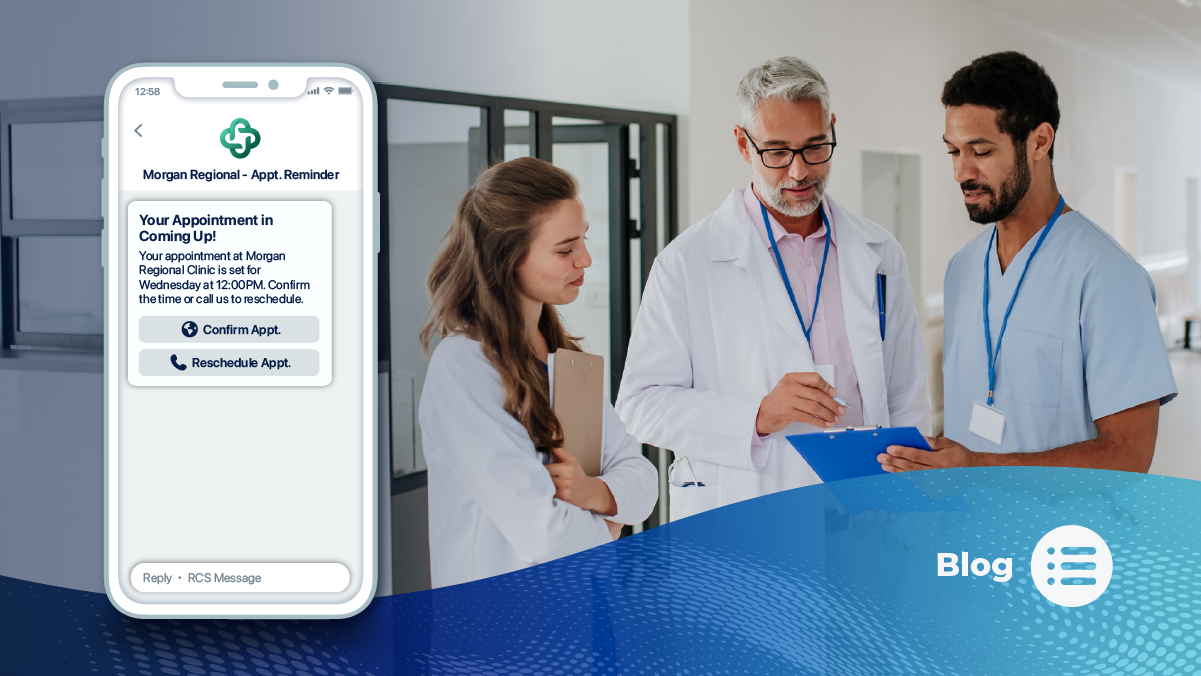
- Appointment reminders and confirmations: A branded message with a one-tap confirm or reschedule button reduces no-shows without requiring a phone call.
- Billing and payment notices: A recognizable sender name makes patients more likely to open and act on a balance-due notice instead of assuming it's spam.
- Intake and follow-up communication: General instructions, wellness check-ins, and satisfaction surveys reach patients in a channel they already check.
- Service and scheduling updates: Department changes, wait-time updates, and general notices display with the hospital's verified identity rather than an unfamiliar number.
How Does ENRICH Build Trust for Hospital Patients?
Every ENRICH message includes a verified sender profile before the patient opens it, removing the guesswork that leads patients to ignore healthcare texts. The platform supports rich media, suggested reply to buttons, and two-way conversation, so a patient can confirm an appointment or ask a billing question without leaving the thread or calling the front desk.
ENRICH reaches Android and iOS devices across all major U.S. carriers, with automatic SMS fallback for patients on devices that don't support RCS, so outreach isn't limited to only part of a hospital's patient population.
How Does Branded Messaging Fit Alongside Branded Calling?
Hospitals already field a high volume of outbound calls: appointment reminders, billing follow-up, and care coordination. When those calls arrive from an unbranded number, patients decline them for the same reason they ignore unbranded texts. Pairing ENRICH™ Branded Messaging with INFORM® Branded Calling gives patients one consistent, verified identity whether the hospital is calling or texting, which matters most for the healthcare vertical.
What Should Healthcare Communications Leaders Look for in a Secure Patient Messaging Platform?
Before selecting a platform, hospital communications and contact center leaders should evaluate:
- Sender verification, so every message displays a recognizable, verified identity rather than a generic number.
- PHI handling guidance, confirming the platform is built for non-PHI outreach and that clinical detail is routed to a HIPAA-compliant portal or system instead.
- Carrier and device coverage, including automatic fallback to SMS for patients on unsupported devices.
- Integration, including how the platform connects to existing scheduling, billing, and patient communication systems.
- Consistency with voice outreach, so patients see the same verified brand whether the hospital calls or texts.
For hospitals evaluating secure patient messaging platforms, the goal isn't just delivery. It's outreach that patients recognize, trust, and act on, built around what RCS can responsibly carry today.
Read more on how verified identity builds trust in How To Improve Trust in Business Text Messaging with Verified Brand Identity, or see the full picture of First Orion's healthcare outreach results.
FAQs on ENRICH Branded Messaging
How is ENRICH different from traditional SMS or MMS?
While both RCS and SMS are delivered in the recipient's native messaging application, SMS is limited to 160 characters of text and relies on MMS capabilities to support picture and video. ENRICH delivers rich, interactive experiences typically reserved for third-party messaging applications and enables rich media content like high-resolution images, media attachments, and carousels.
Can I use ENRICH for two-way conversations with customers?
ENRICH provisions two-way conversational application-to-person (A2P) messaging through the RCS channel. This allows the business to send branded messages via First Orion's API and receive customer replies via First Orion's webhook.
What devices or carriers support RCS and ENRICH?
ENRICH reaches all Android and iOS devices (version 18.1 and above) across all major US carriers.
What happens if a recipient's phone does not support RCS?
RCS platforms can automatically fall back to SMS when the recipient's device lacks RCS support. This ensures your message reaches the customer regardless of device capabilities. First Orion handles this fallback routing automatically through the ENRICH platform.
What reporting is available with ENRICH? ENRICH Branded Messaging provides delivery and open rates and customer response rates for messages sent to RCS-capable devices.
Learn About the Solutions Behind Every Trusted Connection
From small businesses to global enterprises, First Orion helps you increase answer rates, verify identity, and build customer trust and transparency.
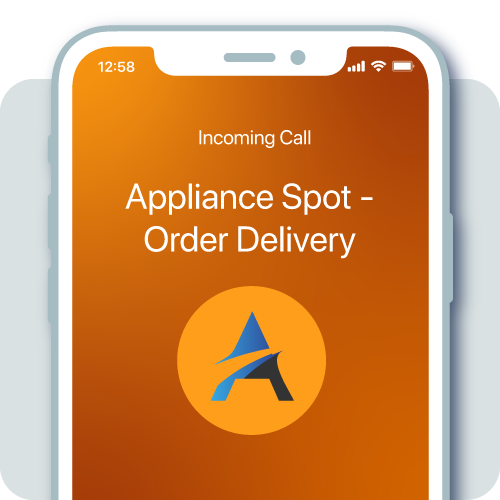
INFORM® Branded Calling - Show your business name, logo, and reason for call so more customers answer with confidence.
AFFIRM® Reputation Monitoring - Monitor how your outbound calls appear and catch labeling discrepancies fast.
SENTRY® Call Blocking - Block bad actors from spoofing your numbers, protecting trust with your customers.
PROTECT+ Risk Detection - Detect suspicious inbound call activity in real time with intelligent risk analysis.
Related Resources:
RCS vs. Push Notifications: Guide to Choosing the Right Channel for Critical Alerts
Why Voice and Messaging Identity Must Converge to Build Customer Trust