Key takeaways:
- Consumers lost $470 million to text scams in 2024, according to the FTC; this has trained people to distrust unfamiliar senders.
- RCS (Rich Communication Services) requires cryptographic sender verification, and ENRICH® Branded Messaging shows your verified name, logo, and brand colors on every message.
- Consistent numbers, timing, and sender identification make your messages easier to recognize.
- Telling customers what you will never ask for turns security into part of the brand experience.
Brands can stop customers from ignoring their texts by earning recognition and trust before asking for a response. That means verifying the sender with technology such as RCS, giving customers a way to confirm a message is real, communicating in predictable patterns, and teaching customers how the company will and will not contact them. This guide explains each step for business owners.
Why are customers ignoring legitimate business texts?
Consumers increasingly face legitimate-looking scam texts, phishing texts, and impersonation attempts. As a result, even genuine business communications can be ignored. A customer who cannot tell your appointment reminder from a spoofed message has little reason to tap, reply, or click.
This is a trust problem more than a messaging problem. Business owners often respond by sending more texts or changing the wording. Neither fixes the root cause: the recipient cannot confirm who is on the other end.
How big is the text scam problem for consumers?
According to the FTC, consumers lost $470 million to text messaging scams in 2024 alone. That environment has trained recipients to distrust messages from unfamiliar senders.
For a small or mid-sized business that relies on messages as a primary channel, the effect is direct. Each ignored confirmation, delivery update, or payment reminder can mean a missed appointment, a delayed payment, or a support call that did not need to happen.
What should brands do differently to rebuild trust?
Brands need to shift from simply trying to get customers to answer or reply to their texts to earning recognition and trust before asking for a response.
That shift changes the order of operations. First, the customer recognizes who is texting. Then the customer decides whether the message is worth acting on. The sections below cover the tools and habits that make that order possible.
How does RCS help customers trust your business texts?
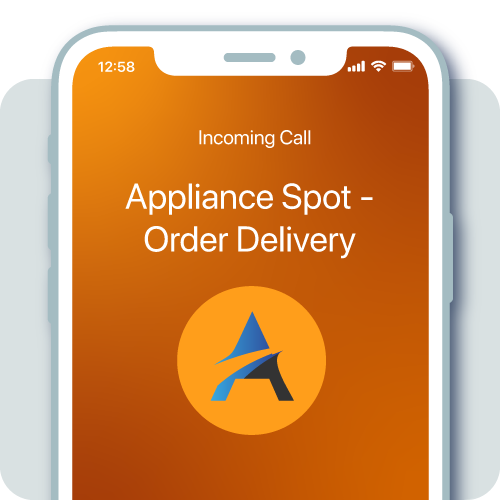
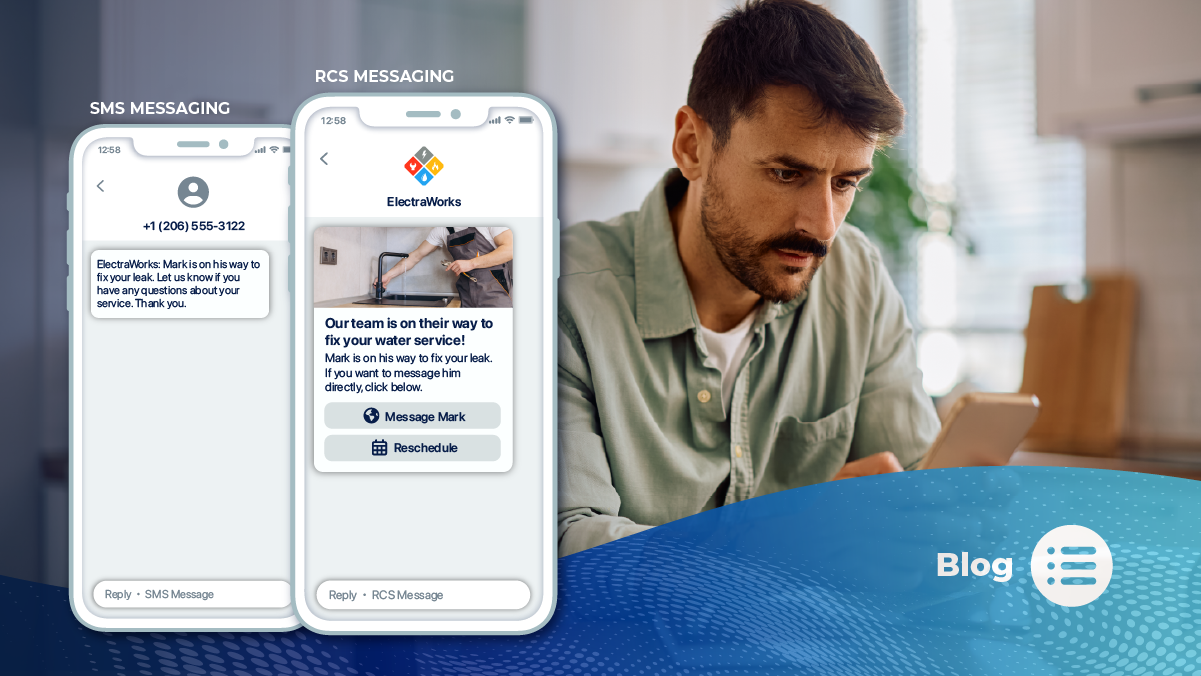
RCS addresses this by requiring cryptographic sender verification before a business can message recipients. Your verified business name, logo, and brand colors appear on every message, giving recipients an immediate visual signal that the communication is legitimate.
“The significance of RCS goes well beyond making text messages more visually engaging,” said Perry Claunch, Senior Product Leader at First Orion. “One of its most important advantages is the trust and transparency it can bring to businesses by making the brand behind an interaction immediately recognizable.”
How can businesses use ENRICH Branded Messaging?
ENRICH Branded Messaging fits three common business needs:
- Customer service: Secure, two-way conversations and faster support.
- Transactional communication: Appointment reminders, account notifications, and delivery updates.
- Customer engagement: Rich promotional experiences that encourage customers to respond or act.
How can customers independently verify a message?
One of the most important trust-building measures is allowing customers to verify that a communication is genuine without having to trust the incoming number or text. Customers should not have to trust a message just because it claims to be from your company.
Brands should:
- Publish official phone numbers on their websites and apps.
- Encourage customers to call back using those published numbers.
- Provide secure in-app notifications confirming important communications.
- Offer a verification reference number for certain interactions.
- Never pressure customers to click unexpected links or disclose sensitive information.
Why do consistent communication patterns build trust?
Trust is built through repetition and predictability. A customer who repeatedly receives legitimate, predictable communications is more likely to recognize the brand.
Brands should:
- Use a consistent set of outbound phone numbers.
- Avoid frequently changing numbers or using unfamiliar numbers across departments.
- Contact customers at expected times.
- Identify the department or representative making contact.
- Avoid excessive calling and repeated messages.
- Honor customer preferences for communication channels and frequency.
How can businesses make customer protection part of the brand experience?
Brands should proactively educate customers about how they communicate. Short, repeatable statements work well in texts, emails, receipts and on your website:
- “We will never ask you for your password.”
- “We will never request your one-time verification code.”
- “You can always call the number on our official website.”
- “We will identify ourselves and explain why we’re contacting you.”
This changes the conversation from asking customers to trust the brand to demonstrating that the brand respects their security.
What should business owners do next?
- Audit how customers currently recognize your texts, including sender numbers, naming, and timing.
- Publish your official contact numbers and a short statement of how you will and will not contact customers.
- Move high-value messages, such as appointment reminders, account notifications and delivery updates, to a verified, branded channel like ENRICH Branded Messaging.
- Keep your sending patterns consistent so customers learn what a real message from you looks like.
Ready to Build Trust in Every Customer Conversation?
Customers respond to the businesses they recognize and trust. ENRICH Branded Messaging from First Orion puts your verified business name, logo and brand colors on every message, so customers know who is reaching out before they decide whether to act.
Build on the reach of SMS with the verified, interactive capabilities of RCS, and give customers a reason to open your messages instead of ignoring them. Start today.
Branded Messaging Frequently Asked Questions
What is ENRICH Branded Messaging?
ENRICH Branded Messaging enables businesses to send secure, branded RCS messages directly to mobile devices. Messages can include logos, business name, suggested replies and actions, creating interactive, trusted experiences within the device’s native messaging app.
What is RCS Messaging for Business?
RCS Messaging for Business is the Application-to-Person (A2P) messaging channel built on the Rich Communication Services (RCS) standard. It enables businesses to deliver secure, branded experiences directly through consumers’ native messaging app.
How is ENRICH different from traditional SMS or MMS?
While both RCS and SMS are delivered in the recipient's native messaging application, SMS is limited to 160 characters of text and relies on MMS capabilities to support picture and video. ENRICH delivers rich, interactive experiences typically reserved for third-party messaging applications and enables rich media content like high-resolution images, media attachments, and carousels.
Can I use ENRICH for two-way conversations with customers?
ENRICH provisions two-way conversational application-to-person (A2P) messaging through the RCS channel. This allows the business to send branded messages via First Orion's API and receive customer replies via First Orion's webhook.
What devices or carriers support RCS and ENRICH?
ENRICH reaches all Android and iOS devices (version 18.1 and above) across all major US carriers.
What happens if a recipient's phone does not support RCS?
RCS platforms can automatically fall back to SMS when the recipient's device lacks RCS support. This ensures your message reaches the customer regardless of device capabilities. First Orion handles this fallback routing automatically through the ENRICH platform.
What reporting is available with ENRICH? ENRICH Branded Messaging provides high-level visibility into your RCS agents from one centralized dashboard. Businesses can see:
- Message sent and received
- Open rates
- Rich content activity
- Opt-out rates
- Agent status and use case
- Clicks to action buttons
Related Resources
ENRICH Best Practices: How to Get the Most Out of Every Branded Message
ENRICH 101: Going Beyond Voice With Branded Messaging