
Improve Hospital Text Reminder Engagement in Six Easy Steps
- Audit Your Current Messaging Performance — Review delivery rates, open rates, and patient response metrics to identify engagement gaps.
- Transition to Verified Sender Identity — Replace anonymous short codes with recognizable 10-digit numbers and branded sender information.
- Implement Rich Messaging Features — Use RCS capabilities to send images, appointment details, and interactive response options.
- Personalize Message Content and Timing — First Orion's ENRICH® Branded Messaging, powered by RCS, helps you send targeted messages with patient-specific details at the right times.
- Enable Two-Way Conversational Messaging — Allow patients to confirm, cancel, or reschedule directly through message replies.
- Monitor and Optimize Campaign Results — Track key performance indicators and adjust your approach based on patient behavior data.
How to Boost Hospital Appointment Reminder Engagement
1: Audit Your Current Messaging Performance
Start by gathering baseline data on your hospital's current text messaging program. Pull reports showing delivery rates, open rates, response rates, and appointment attendance tied to your reminder campaigns.
Look for patterns in your data. Are patients ignoring messages from certain phone numbers? Do reminders sent at specific times perform better than others? Understanding these trends helps you identify what needs to change.
A 2025 patient engagement report found that 65% of patients admit to ignoring short-code text messages because they appear to be spam. If your hospital relies on generic short codes, your reminders may never reach patients who need them most.
Step 2: Transition to Verified Sender Identity
Unbranded text messages from random numbers create immediate distrust. Patients receive dozens of suspicious texts daily, and many have trained themselves to delete anything that looks unfamiliar.
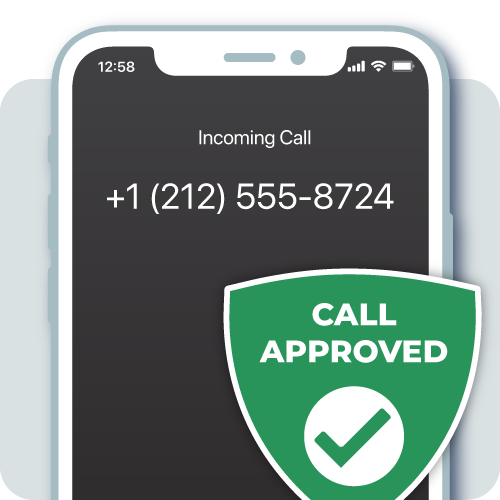
Verified sender identity changes this dynamic. When your hospital's name appears as the sender with a verification badge, patients instantly recognize the message as legitimate.
The transition requires registering your hospital's business numbers and connecting them to a verified messaging platform. This process ensures carriers recognize your messages as authentic healthcare communications rather than potential spam.
Step 3: Implement Rich Messaging Features
Traditional SMS limits you to 160 characters of plain text. Rich Communication Services (RCS) messaging opens new possibilities for patient engagement.
With RCS, your appointment reminders can include your hospital logo, provider photos, location maps, and interactive buttons. Patients can view all appointment details without leaving the message thread.
Consider what information helps patients prepare for their visit. Include parking instructions, required documentation lists, or pre-appointment prep notes directly in the reminder. The more useful your message, the more likely patients will read and act on it.
Step 4: Personalize Message Content and Timing
Generic reminders get generic responses. Personalized messages that address patients by name and reference their specific appointment type perform significantly better.
Schedule reminders based on your patient population's preferences. The 2025 patient engagement study recommends sending communications between 8 a.m. and 9 p.m. in the recipient's local time zone. Avoid message fatigue by limiting reminders to a maximum of three per appointment.
First Orion's ENRICH Branded Messaging allows hospitals to customize message content for different appointment types, departments, and patient groups while maintaining verified sender identity across all communications.
Step 5: Enable Two-Way Conversational Messaging
One-way reminders ask patients to confirm through a separate phone call or patient portal. This extra step creates drop-off points where patients abandon the process.
Two-way messaging lets patients respond directly to the reminder text. A simple reply of "C" to confirm or "R" to reschedule keeps patients engaged in the conversation. This immediate response capability reduces the administrative burden on your scheduling staff.
According to the 2025 patient engagement report, 76% of patients want the ability to initiate two-way text messaging with their healthcare providers. Meeting this expectation improves satisfaction while reducing no-show rates.
Step 6: Monitor and Optimize Campaign Results
Effective messaging programs require ongoing attention. Track delivery rates, open rates, response rates, and appointment attendance for each campaign.
If open rates are high but response rates lag, your call-to-action may need sharper framing. If delivery rates fall below expectations, investigate potential carrier issues or device compatibility problems.
Compare performance across patient demographics, appointment types, and messaging formats. These insights reveal what resonates with your specific patient population and where adjustments will have the greatest impact.
Why Do Patients Ignore Hospital Text Reminders?
The rise of healthcare-related scam messages has fundamentally changed how patients respond to unfamiliar texts. A 2025 Tebra study found that over a quarter of Americans received suspicious healthcare messages in the past month alone.
This constant exposure to fraud attempts makes patients cautious. Among those who received healthcare messages, 53% reported ignoring or delaying response to legitimate communications because they worried the message might be a scam.
Unbranded messages from short codes or unknown numbers trigger this protective instinct. Patients who have been targeted by scammers become especially skeptical of any message that doesn't clearly identify the sender.
The operational impact for hospitals is significant. The study found that nearly one in four healthcare workers reported that confusion from scam messages led to missed appointments, and one in five said it caused delayed care.
What Makes Verified Messaging Different From Standard SMS?
Standard SMS delivers text messages short via codes or long codes, with no sender verification. The recipient sees a phone number but has no way to confirm that the message comes from your hospital.
Verified messaging through RCS includes cryptographic authentication of the sender's identity. Carriers enforce mandatory sender verification, displaying your hospital's authenticated name and logo before the patient opens the message.
This verification happens at the carrier level, which means patients can trust the sender identity without downloading special apps or checking external sources. The authentication badge appears automatically on supported devices.
RCS also guarantees delivery through carrier-level priority with automatic SMS fallback. If a patient's device doesn't support RCS, the message converts to standard SMS while maintaining your branded messaging best practices.
How First Orion Helps You Increase Hospital Text Reminder Engagement
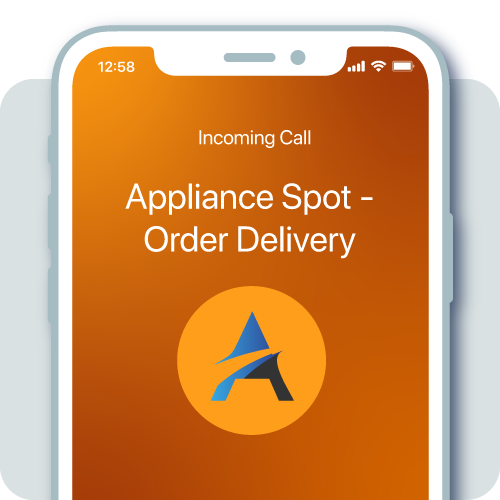
First Orion delivers verified, branded messaging that transforms anonymous hospital texts into trusted patient communications. ENRICH Branded Messaging displays your hospital name, logo, and verification badge directly in the patient's native messaging app.
ENRICH supports two-way RCS conversations, rich media content including maps and images, and simple API integration with your existing patient communication systems. You can manage both branded calls and branded messages through a single provider across all major U.S. carriers.
The platform includes detailed analytics showing messages sent, delivery rates, open rates, and response rates. These metrics help your team optimize campaigns and demonstrate ROI to hospital leadership.
Ready to turn anonymous texts into trusted patient conversations? Contact First Orion to see how verified messaging can improve your hospital's patient engagement.
FAQs About How to Improve Hospital Text Reminder Engagement
Do patients need to download an app to receive verified messages?
No app download is required. First Orion's ENRICH Branded Messaging delivers verified RCS messages directly to the patient's native messaging app on Android and iOS devices across all major U.S. carriers.
Is verified messaging HIPAA compliant for appointment reminders?
Yes, when implemented correctly. HIPAA-compliant appointment reminders should include only relevant information such as date, time, provider name, and location. First Orion's platform supports compliance requirements while delivering verified sender identity.
How long does it take to implement branded messaging for hospitals?
First Orion integration typically takes days using REST API or existing connections. The platform connects with your current patient communication systems, so you can launch branded messaging without rebuilding your entire infrastructure.
Can verified messaging work alongside our existing patient portal?
Absolutely. First Orion's ENRICH Branded Messaging complements your patient portal by driving engagement through the messaging channel patients already check. Messages can include links directing patients to your portal for detailed information while keeping sensitive data secure.
What types of reminders work best with branded messaging?
Appointment confirmations, pre-visit instructions, prescription pickup notifications, and post-visit follow-ups all perform well through branded messaging. Two-way conversational features allow patients to confirm, cancel, or reschedule directly from the message thread.
Learn About the Solutions Behind Every Trusted Connection
From small businesses to global enterprises, First Orion helps you increase answer rates, verify identity, and build customer trust and transparency.
INFORM® Branded Calling - Show your business name, logo, and reason for call so more customers answer with confidence.
AFFIRM® Reputation Monitoring - Monitor how your outbound calls appear and catch labeling discrepancies fast.
SENTRY® Call Blocking - Block bad actors from spoofing your numbers, protecting trust with your customers.
PROTECT+ Risk Detection - Detect suspicious inbound call activity in real time with intelligent risk analysis.
Related Resources
What are the best practices for ENRICH Branded Messaging in 2026?
Why 83% of Businesses Say Branded RCS Messaging is Now a Strategic Priority
ENRICH 101: Going Beyond Voice With Branded Messaging
Why RCS is the New Standard for Business Texting (And How ENRICH Delivers it)