Key Takeaways
- Patients want billing texts. Interest in receiving billing notifications by text from a healthcare provider rose to 59% in 2023, up from 45% a year earlier.
- Texts can speed up payment. 51% of consumers said a payment reminder text would prompt them to pay faster, up from 34% the year before.
- Sender trust can influence whether patients engage with a text. Standard SMS typically displays a number or short code rather than a verified business identity, which may leave patients uncertain about the source of a legitimate billing reminder.
- ENRICH® Branded Messaging verifies the sender. Patients see the healthcare organization's name, and in supported experiences, a logo and verification indicator, instead of an unknown number on supported devices and carriers.
- Patients get a text about a medical bill from a number they don't recognize. Many ignore it. Some report it as spam. Others wonder whether it's a scam. Meanwhile, the billing team that sent it still has an unpaid balance and a patient who never saw a legitimate message.
This is a routine problem. Texting is a practical channel for billing reminders and payment links, but it only works when patients trust the sender. ENRICH Branded Messaging from First Orion gives healthcare organizations a way to send verified texts that show who they are before the patient opens the message.
Do patients want billing notifications by text?
A 2023 survey found growing interest in receiving billing notifications by text from healthcare providers: 59% of respondents preferred a text notification over a phone call or email, up from 45% a year earlier. In the same survey, 51% of respondents said a payment reminder text would prompt them to pay faster, up from 34% the year before.
Many organizations have not caught up with that preference. 45% of respondents said their providers never asked how they wanted to receive billing reminders. The billing experience also affects patient loyalty. 36% said they would consider switching providers after a poor billing experience.
Patients want text-based billing communication. The open question is whether they trust the messages they receive.
Why do patients ignore billing texts from healthcare organizations?
Patients may hesitate to open or act on billing texts when they cannot tell who sent them. An unfamiliar number or unexpected payment link can raise questions about whether a message actually came from their healthcare provider even when the reminder is legitimate.
Standard SMS typically shows a phone number or short code rather than a verified business identify, which can make it harder for the patient to confirm that the message came from their provider.
This uncertainty can contribute to lower response rates, delayed payments, more inbound calls to confirm that a message is real, and weaker patient engagement overall.
How does ENRICH Branded Messaging verify the sender?
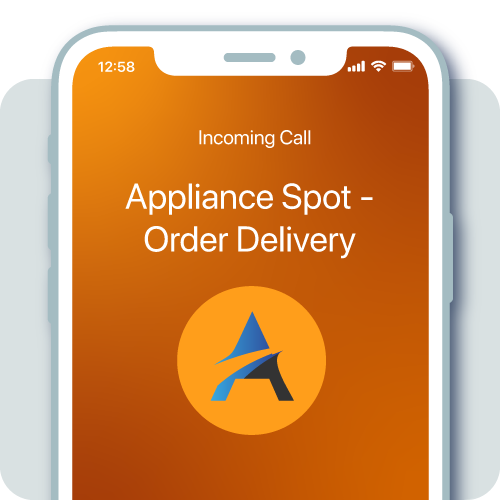
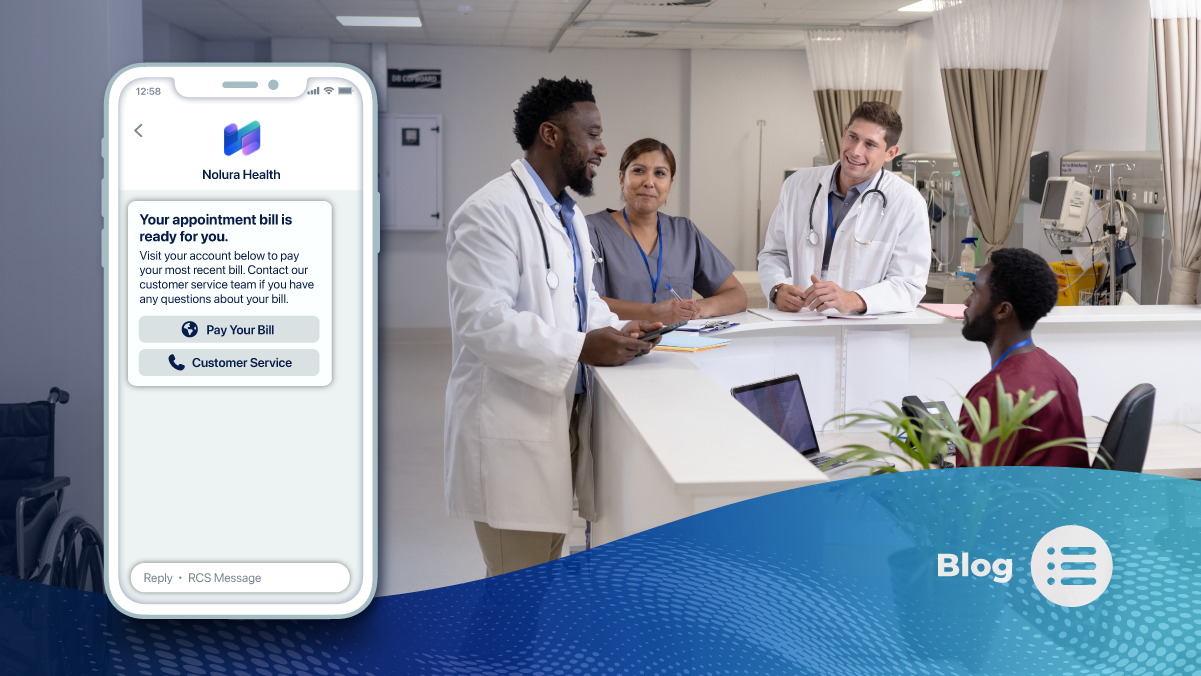
ENRICH displays a verified business identity on a patient's supported device. Instead of an unfamiliar number, the patient sees the name of the healthcare organization, and in supported experiences, a logo and verification indicator. The patient can recognize the sender at a glance.
This works because the sender goes through a verification process before messages are delivered with their brand. The displayed identity is associated with a business that has completed the applicable verification process.
For billing and payment communications, this changes the patient's first impression:
- The patient sees a recognizable organization name rather than an unknown number.
- The message reads as part of an existing relationship with their provider.
- A verified sender identity can help reduce uncertainty about who sent the message and may reduce calls to the billing office solely to confirm the source of the message.
ENRICH uses RCS (Rich Communication Services) where devices and carriers support it, which allows richer, more interactive messages than plain SMS. Billing teams can use that to present clear next steps, such as a payment link, in a format that looks and feels familiar.
What types of patient billing texts can healthcare teams send?
Healthcare organizations can use verified messaging for the routine financial communications that patient access and revenue cycle teams already send, including:
- Statement-ready notifications
- Payment due date reminders
- Past-due balance notices
- Payment confirmations and receipts
- Payment plan reminders
- Insurance and eligibility follow-ups that require patient action
These messages may include a link or a request for action. Verified sender identity gives the patient a reason to follow through.
Keep message content minimal. A billing text should direct the patient to a secure portal or payment page and avoid including diagnoses, treatment details, or account specifics in the message body. Your compliance team should review templates before launch.
How does verified messaging improve patient engagement?
Patient engagement in billing depends on three things: the patient sees the message, trusts it, and can act on it easily. Verified messaging supports all three.
Visibility. A recognized sender identity can help patients distinguish texts from unknown numbers. Branded identity may also help the message stand out in the patient's inbox where supported.
Trust. When the sender is verified, the patient has less need to second-guess the message. That matters most for messages that include payment links.
Action. Rich messaging formats can reduce the steps between reading a reminder and completing a payment.
Better engagement benefits both patients and provider organizations. Patients receive timely information about what they owe, while better engagement may help organizations reduce manual follow-ups and make collections workflows more predictable. A clear and recognizable message may contribute to a better billing experience, which may support patient retention.
What should healthcare leaders consider before adopting verified billing texts?
Before launch, communications and patient access leaders should work through a short list of questions:
- Which messages should go first? Payment reminders and statement notices are common starting points because volume is high and the workflow is well defined.
- How will you learn patient preferences? Ask patients how they want to receive billing reminders and record the answer.
- How will you handle consent and opt-outs? Build consent capture and opt-out handling into the program from day one.
- What belongs in the message, and what belongs behind a login? Set clear content rules with your compliance team.
- How will you measure results? Track message opens where reporting is available, payment completion using data from your payment platform, call volume to billing support, and patient feedback.
How does First Orion support healthcare organizations?
First Orion provides the verification and branded delivery layer that lets healthcare organizations communicate with patients under their own name on supported devices and carriers. ENRICH is part of a broader branded communications suite, which includes INFORM® Branded Calling for outbound voice, helping patients recognize your organization when you reach them by call or by text.
For healthcare teams, this supports a recognizable trusted identity across voice and messaging, helping patients identify the source of billing communications when these capabilities are available.
Get started with ENRICH for healthcare
If your organization sends patient billing and payment texts, verified sender identity is worth evaluating. First Orion can walk your team through how ENRICH works, what the verification process involves, and how it fits into your existing patient communication workflows.
Related Resources:
RCS vs. Push Notifications: Guide to Choosing the Right Channel for Critical Alerts
Why Voice and Messaging Identity Must Converge to Build Customer Trust
The RCS Waiting Game is Over. The Question Is: Are You Ready?