Key Takeaways
- Patients ignore calls from numbers they don’t recognize, which can delay lab follow-ups, leave appointment slots empty, and stall billing cycles.
- Caller ID reputation is scored independently by each carrier analytics engine, so the same hospital number can look clean on one network and spam-labeled on another.
- High call volume from one number, repeated retries, patient blocks, and unregistered numbers are the most common triggers for spam labeling.
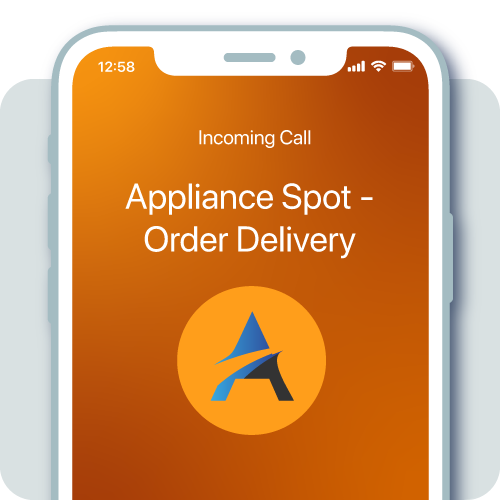
- Branded calling shows the hospital’s name, logo (available with INFORM® with Logo), and call reason, giving patients the context to answer appointment and billing calls with confidence.
- A layered strategy works best: register numbers, adopt INFORM® Branded Calling, monitor with AFFIRM® Reputation Monitoring, and protect against spoofing with SENTRY® Call Blocking.
When patients don't recognize a hospital’s phone number, they often don't answer. That missed call could mean a delayed follow-up on an abnormal lab result, an unfilled appointment slot, or a stalled billing cycle.
Branded caller ID helps hospitals close that gap by showing patients who is calling and why, giving them confidence to answer. This article explores why traditional caller ID falls short, what caller ID reputation means for healthcare organizations, and how hospitals can make outbound calls more recognizable, trusted, and answered.
What Is Caller ID Reputation for Hospital Outbound Calls?
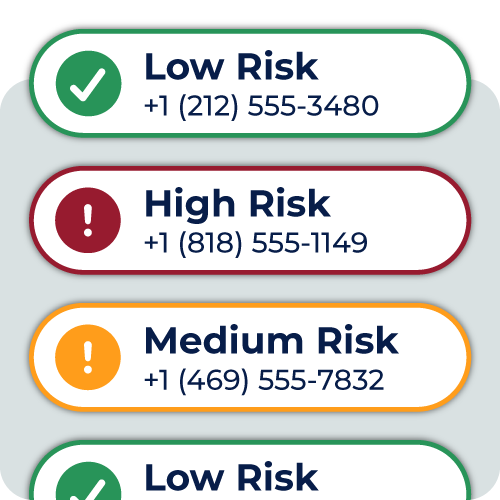
Caller ID reputation is the trust score that carrier analytics engines assign to each of your outbound phone numbers. Three analytics engines handle the scoring for the major U.S. carriers, and each one evaluates your numbers independently using its own proprietary model.
That independence matters. The same number can ring through one network cleanly and display a spam label on another. Labels vary by carrier and analytics partner, so no single lookup shows how every recipient sees your calls.
For hospital operations, a poor reputation score means fewer right-party contacts, more wasted agent time, and a higher cost per successful conversation. Spam labeling is one of several factors that compound the problem.
Why Do Patients Ignore Hospital Calls?
Patients ignore hospital calls for the same reason they ignore every other unidentified number: they cannot tell who is calling. When your hospital's outbound line displays an unrecognizable number, patients assume it is an unsolicited call and let it ring through to voicemail.
The problem is compounded when carriers apply spam labels. A billing department that places high volumes of outbound calls can trigger carrier analytics thresholds, especially if patients decline or block the number after multiple attempts. Each unanswered attempt feeds a negative signal back into the reputation engine, creating a cycle where legitimate calls become harder to deliver with each passing day.
What Causes Hospital Phone Numbers to Get Flagged as Spam?
Several operational patterns commonly trigger spam labeling for healthcare outbound numbers:
- High call volume from a single number: Placing hundreds of outbound calls per day from one direct inward dial (DID) number mimics patterns associated with robocalling, even when every call is legitimate.
- Repeated unanswered attempts: Calling the same patient multiple times in a short window, sometimes called flurry dialing, signals aggressive calling behavior to carrier analytics.
- Patient complaints and blocks: When patients do not recognize a number, some actively block it or report it. Each block or report degrades the number's reputation score.
- Inconsistent or missing caller name registration: Numbers that are not registered with carrier databases lack the identity context that helps classification engines distinguish legitimate callers from unwanted ones.
Understanding these triggers is the first step toward building a proactive reputation monitoring program. Hospitals that identify and address reputation issues before they escalate can preserve answer rates and protect the patient communication experience.
How Branded Calling Protects Patient Trust in Appointment and Billing Calls
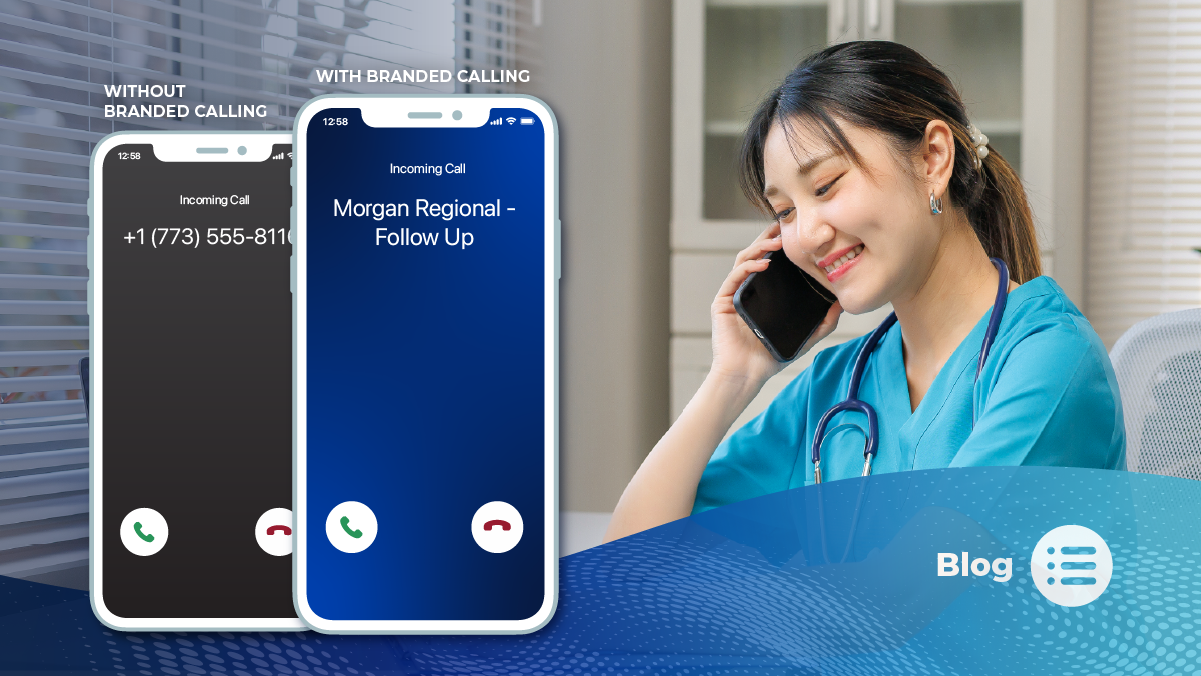
Branded Calling addresses the trust gap at the exact moment it matters: when the patient's phone rings. Instead of displaying a bare number or a carrier-assigned spam label, a branded call shows the hospital's name, logo, and reason for the call directly on the patient's screen.
For appointment calls, the patient sees something like "Memorial Hospital - Appointment Reminder" before deciding whether to answer. For billing calls, the display might read "Memorial Hospital - Billing Department." This level of context removes the uncertainty that causes patients to ignore legitimate outreach.
How to Build a Caller ID Trust Strategy for Your Hospital
Building a trusted calling program for your hospital requires a layered approach. Here is a practical framework healthcare contact center leaders can follow:
- Register your business numbers: Start with free business number registration to ensure your outbound lines are properly identified with major carriers. Registration is the foundational step that establishes caller reputation.
- Adopt branded calling: Use INFORM® Branded Calling to display your hospital name, logo, and call reason on every patient-facing outbound call. Control the display by department so patients know whether the call concerns an appointment, billing, or care coordination.
- Monitor number reputation continuously: Use AFFIRM® Reputation Monitoring to track how your numbers are classified across carriers. Set up alerts for spam or scam labels and act on them before they affect answer rates.
- Protect against spoofing: Use SENTRY® Call Blocking to block unauthorized calls from appearing as your hospital's number. This prevents reputation damage caused by bad actors impersonating your organization.
FAQs About Trusted Caller ID for Hospital Calls
What is caller ID reputation for hospitals?
Caller ID reputation is a carrier-assigned score reflecting how trustworthy your outbound numbers appear. For hospitals, a low score means appointment and billing calls may be flagged as spam. First Orion's AFFIRM monitors that score across major carriers so you can act before patients stop answering.
How does branded calling help hospitals reach patients?
Branded Calling displays your hospital's name, logo, and call reason on the patient's phone screen. First Orion's INFORM delivers this branding through carrier-level infrastructure across all major U.S. carriers, giving patients the context they need to answer with confidence.
Can hospitals prevent their phone numbers from being spoofed?
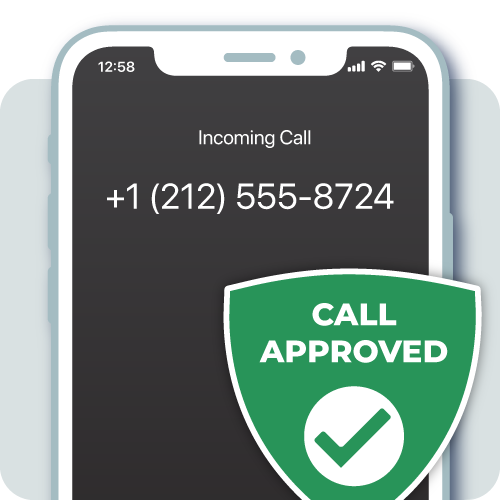
Yes. First Orion's SENTRY authenticates every outbound call with a unique, time-limited key. Calls without a valid key are blocked at the carrier level before reaching patients, preventing bad actors from impersonating your hospital's phone numbers.
What is the first step to improving caller ID trust for a hospital?
Register your outbound numbers through a free business number registration process. First Orion's registration ensures your numbers are properly identified across major carrier networks, laying the foundation for branded calling and reputation management.
Related Resources
How First Orion SENTRY Call Blocking Protects Healthcare Organizations from Number Spoofing
What’s Your Call Reputation? Why Monitoring Brand Perception Matters
Health System Increases Answer Rate 34% With Branded Calling
Healthcare Platform Increases Engagement and Conversions with INFORM
Guide to Why Healthcare Organizations Should Register Their Business Numbers