Key Takeaways
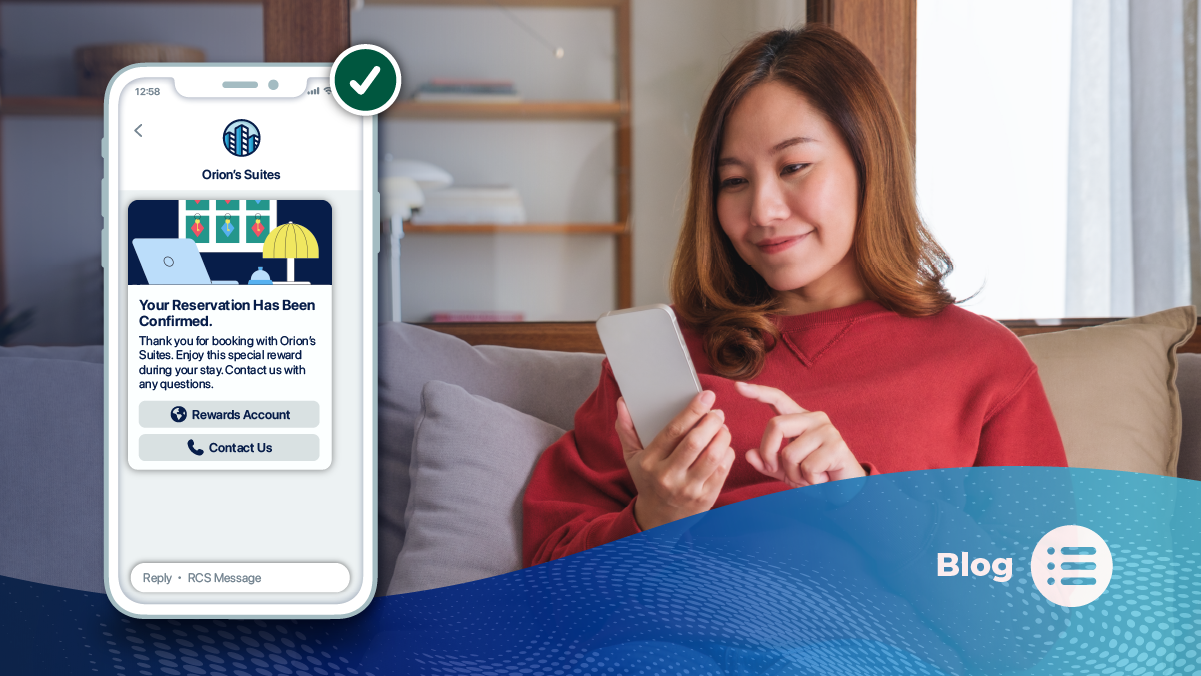
- RCS verified sender identity displays your business name, logo, and verification badge inside the recipient's native messaging app.
- SMS carrier registration verifies the sending number, but no brand information reaches the recipient. RCS Sender Verification authenticates the brand and displays it.
- Sender Verification requires businesses to pass brand authentication before sending any RCS messages to customers.
- Verified RCS messages reduce phishing risk by making it significantly harder for bad actors to impersonate legitimate brands.
- First Orion's ENRICH® Branded Messaging delivers verified, two-way RCS conversations that strengthen customer trust and engagement.
- Pairing verified messaging with INFORM® Branded Calling creates a unified, recognizable identity across every customer touchpoint.
Your customers receive dozens of text messages each day. Most arrive from numbers they don't recognize, with no brand name, logo, or indication of whether the sender is legitimate. That anonymity creates hesitation, and hesitation means your messages go unread.
Rich Communication Services (RCS) addresses this problem at the protocol level. Short Message Service (SMS) already has carrier verification processes, but it confirms the sending number and stops there. Nothing about the verified business travels with the message. RCS adds brand-level Sender Verification, so the business must pass authentication before a single message reaches a customer’s phone. The result is a verified sender identity that displays your business name, logo, and a verification badge directly inside the native messaging app.
This article explains how verified sender identity works in RCS business messaging, why it matters for secure customer communications, and how First Orion helps enterprises put that trust into practice.
What Is Verified Sender Identity in RCS Business Messaging?
Verified sender identity is the mechanism that confirms a business is who it claims to be before any RCS message reaches a consumer. When a business registers as an RCS sender, it submits brand credentials, business documentation, and authorized contact information to a verification authority. That authority validates the business's legitimacy and approves its messaging agent for launch.
Once verified, the business's messages display a branded profile inside the recipient's native messaging app. That profile includes the company name, logo, brand colors, and a verification checkmark. According to the GSMA's RCS Verified Sender guidelines, this process protects the entire messaging ecosystem by ensuring only authenticated businesses can send branded messages.
This is a fundamental shift from SMS. SMS senders are vetted by carriers, but the recipient only sees a phone number or short code. RCS passes the verified brand identity to the recipient.
How Does RCS Sender Verification Differ from SMS Verification?
SMS has verification, too. Carriers require businesses to register before sending application-to-person (A2P) traffic. Local 10-digit numbers (10DLC) require brand and campaign registration, toll-free numbers go through a toll-free verification process, and short codes require carrier approval. These processes vet the business and its messaging use case, and carriers use that information to filter traffic and enforce compliance.
The limitation is what the recipient sees. SMS verification confirms the number, and the brand details collected during registration stay in carrier and registry systems. A consumer receiving an SMS sees a phone number or short code, with no business name, logo, or badge. The verification happens, but the customer never sees proof of it.RCS Sender Verification passes that proof to the customer. It authenticates the brand and displays the result. The verification process confirms the business's legal identity, its right to use specific branding, and its authorization to communicate through the RCS channel. After verification, messages arrive with a branded profile that includes visual identity elements and a checkmark confirming authenticity.
The practical difference for your customers is significant. With SMS, the customer sees a number and has to judge whether to trust it. With a verified RCS message, they see your company name, logo, and brand information before they read a single word of content. That recognition reduces the likelihood of your message being ignored or mistaken for phishing.
Why Does Verified Sender Identity Matter for Customer Trust?
Consumers have learned to distrust messages from unknown senders. Phishing attacks that impersonate well-known brands have trained people to hesitate, delete, or ignore anything that looks unfamiliar. For businesses relying on messaging for appointment reminders, delivery notifications, account alerts, or customer support, that distrust translates directly into missed opportunities.
Verified sender identity closes this trust gap at the point of delivery. When your customer sees a branded, verified profile alongside your message, the friction drops. They recognize the sender, understand who is communicating, and are more likely to engage.
This matters across industries. A healthcare organization sending appointment confirmations needs patients to open and act on those messages. An insurance company delivering claims updates needs policyholders to read and respond. A financial services firm sending fraud alerts needs customers to trust the message immediately. In each case, verified sender identity removes the guesswork and replaces it with confidence.
How Does the RCS Verification Process Work?
The RCS verification process follows a structured sequence of steps managed by carriers, platform providers, and verification authorities. While specific details vary by carrier, the general process includes several core stages.
Business Registration and Documentation
The business submits its legal name, domain, and business documentation to a messaging platform or aggregator. This documentation confirms the business is a legitimate entity authorized to communicate with consumers.
Brand Verification and Agent Creation
A verification authority reviews the submitted information and confirms the business's right to use specific branding. The business creates a messaging "agent," which is the branded profile consumers see. This agent includes the company name, logo, description, privacy policy, and terms of service.
Carrier Approval and Launch
After brand verification, the messaging agent is submitted for carrier approval. Carriers review the agent's assets and compliance with messaging standards before approving it for launch on their network. Once approved, the agent can begin sending verified messages to consumers on that carrier.
First Orion simplifies this process through ENRICH® Branded Messaging, which handles Sender Verification, agent configuration, and carrier approval so your team can focus on crafting the right message rather than navigating the verification pipeline.
What Security Benefits Does Verified RCS Messaging Provide?
Verified RCS messaging introduces several layers of security that SMS cannot match. These protections benefit both the business sending the message and the consumer receiving it.
Brand Impersonation Protection
Because every RCS sender must pass verification before messaging consumers, it is significantly harder for bad actors to impersonate a legitimate brand. SMS phishing (sometimes called "smishing") persists in part because carrier verification is invisible to the recipient. A consumer cannot tell a registered business from an impersonator by looking at a phone number. RCS closes that gap by displaying authenticated branding on every message. Encrypted Message Delivery
RCS supports transport-layer encryption between the messaging platform and the carrier network. This means message content is protected during transit, reducing the risk of interception compared to standard SMS.
Consent and Compliance Architecture
The RCS framework requires businesses to implement opt-in and opt-out workflows as part of the verification and launch process. This consent architecture protects both compliance and customer trust by ensuring consumers control which businesses can reach them through the channel.
For enterprises managing high-volume customer communications, First Orion pairs ENRICH Branded Messaging with established compliance workflows, so verified messaging operates within a framework designed to protect both the business and the consumer.
How First Orion Delivers Verified RCS Messaging with ENRICH
First Orion's ENRICH® Branded Messaging gives enterprises a direct path to verified RCS communication. ENRICH handles verified sender identity, branded profile configuration, and carrier-level delivery so your messages arrive with your company name, logo, and verification badge visible to every recipient.
Beyond verification, ENRICH enables two-way conversations with rich media, interactive buttons, carousels, and suggested actions. These capabilities turn a one-directional notification into an interactive customer experience, all inside the native messaging app without requiring your customer to download anything.
When you pair ENRICH with INFORM® Branded Calling, your customer-facing identity stays consistent across both messaging and voice. That cross-channel consistency compounds trust over time, because your customer recognizes your brand no matter how you reach them.
How a Verified Messaging and Branded Calling Work Together
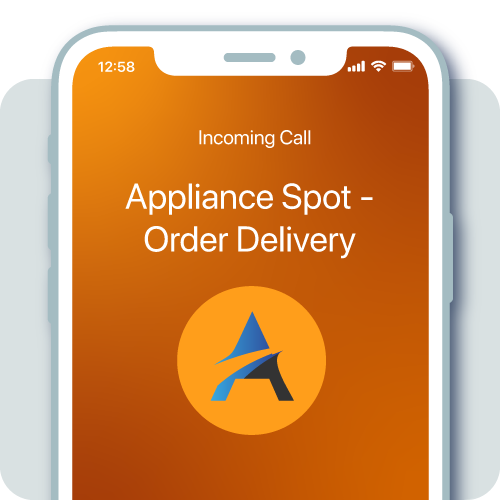
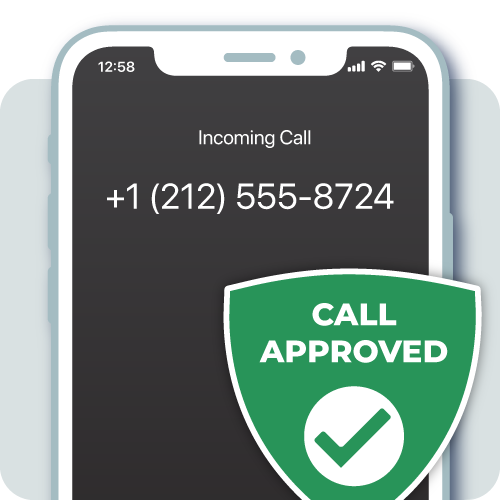
Verified sender identity in messaging solves one half of the trust equation. Branded Calling solves the other. When a customer receives a verified RCS message confirming an appointment, then sees your verified business name and logo on a follow-up call, the combined experience reinforces that every interaction with your business is legitimate and intentional.
First Orion is built around this principle. ENRICH and INFORM® work together as complementary trust layers. A dental office confirming a cleaning appointment over RCS and then calling with a branded caller ID creates a consistent patient experience. An insurance company sending a claims update via verified messaging and following up with a branded call gives policyholders confidence in every touchpoint.
That consistency matters because trust isn't built in a single interaction. It's built over repeated, recognizable experiences across every channel your business uses to communicate.
What Should You Consider Before Deploying Verified RCS Messaging?
Deploying verified RCS messaging involves planning around several operational and technical factors. Getting this right from the start ensures your verified messages deliver the trust and engagement benefits the channel is designed for.
Consent and Opt-In Practices
RCS requires clear user opt-in before sending messages. Consent for marketing and transactional messages should be collected and managed separately. Maintaining consent records protects your business and builds long-term customer trust.
A2P SMS Fallback
Not every recipient's device supports RCS yet. According to Juniper Research (2026), approximately 3.8 billion devices are expected to be actively using RCS by the end of 2026, but that still leaves a portion of your audience on SMS-only devices. Configuring Application-to-Person (A2P) SMS fallback ensures your messages reach every customer, regardless of their device capabilities.
Content Strategy for Rich Media
RCS supports high-resolution images, carousels, and interactive buttons. Planning your content strategy around these capabilities helps you take full advantage of the channel. However, rich features should be used intentionally, to add clarity and value, not visual noise. First Orion's ENRICH best practices guidance covers how to get the most out of every branded message.
In Conclusion: Verified Sender Identity Is the Foundation of Trusted RCS Messaging
Verified sender identity transforms RCS from a messaging channel into a trust channel. It confirms your business is legitimate, displays your brand to every recipient, and creates a recognizable experience that builds confidence over time.
For enterprise communications leaders evaluating how to reach customers through messaging, the verification layer is where trust starts. First Orion's ENRICH Branded Messaging delivers that verification alongside rich media, two-way conversations, and carrier-level delivery, while INFORM Branded Calling extends the same verified identity to every phone call.
Together, they turn every call and message into a trusted, branded experience your customers recognize.
FAQs About Verified Sender Identity in RCS Business Messaging
What is a verified sender in RCS business messaging?
A verified sender is a business that has passed brand authentication through the RCS verification process. Verified senders display their company name, logo, and a checkmark badge inside the recipient's native messaging app, confirming the message is from a legitimate business.
How does First Orion help businesses get verified for RCS messaging?
First Orion's ENRICH® Branded Messaging handles the Sender Verification process, agent configuration, and carrier approval on your behalf. This means your business can start sending verified, branded RCS messages without managing the verification pipeline directly.
Can RCS verified messaging prevent phishing and brand impersonation?
Verified RCS messaging makes it significantly harder for bad actors to impersonate a legitimate brand. Because every sender must complete brand authentication before messaging consumers, recipients can confirm the sender's identity through the branded profile and verification badge displayed on every message.
What happens if a recipient's device does not support RCS?
When a recipient's device does not support RCS, the message can fall back to A2P SMS delivery. First Orion's ENRICH Branded Messaging supports this fallback architecture so your messages reach every customer regardless of device capability.
How does verified RCS messaging work with Branded Calling?
First Orion pairs ENRICH Branded Messaging with INFORM Branded Calling to create a consistent, verified identity across messaging and voice channels. When customers see your brand on both their texts and calls, trust compounds across every interaction.
Related resources
The RCS Waiting Game is Over. The Questions Is: Are You Ready?
Understanding RCS Messaging for Customer Engagement
Trust You Can See – the Convergence of Voice, Messaging, and Identity
Why 83% Of Businesses Say Branded RCS Messaging Is Now a Strategic Priority