Key Takeaways
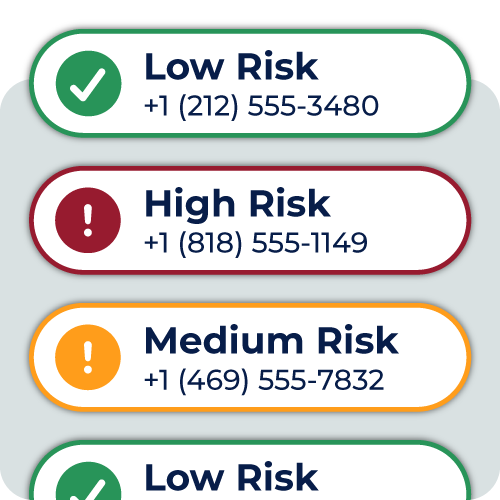
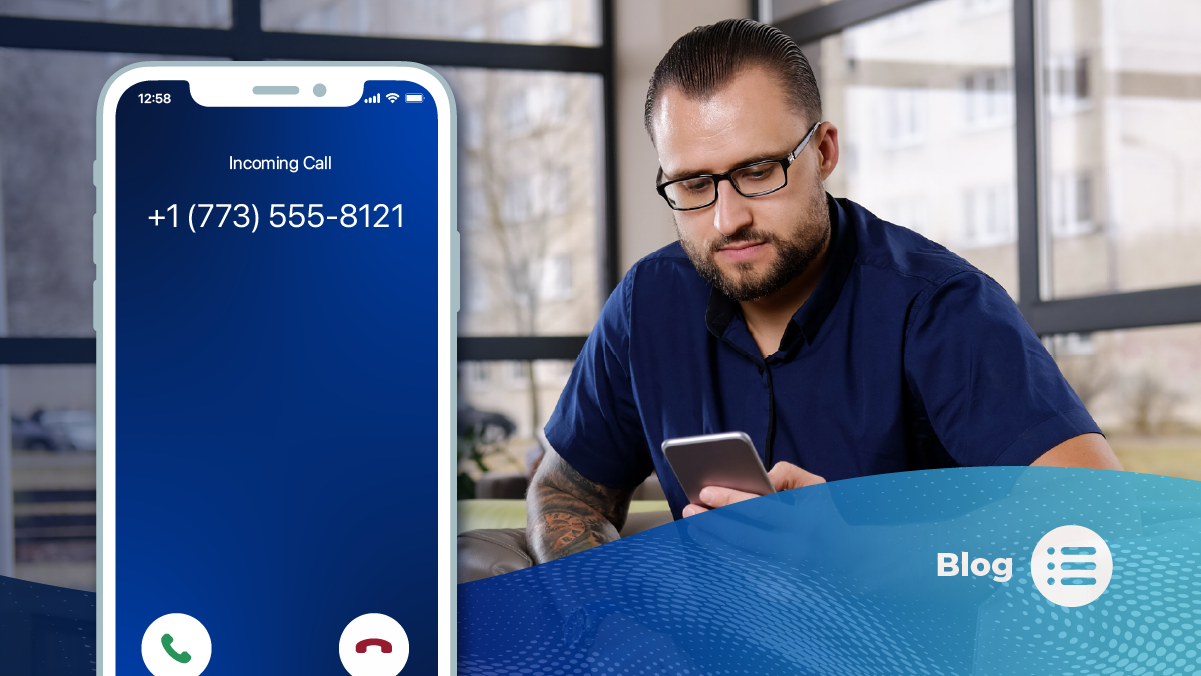
- Unbranded healthcare calls show only a phone number, so patients treat them like scams or robocalls.
- Ignored calls delay communicating test results, cause missed appointments, and force agents to make repeated callback attempts.
- Spoofed calls that use your number damage patient trust; SENTRY® Call Blocking blocks them before they reach patients.
- INFORM® Branded Calling displays your organization’s name on outbound calls across major U.S. carriers, with no app required.
- Healthcare providers using INFORM have reported increases in answer rates of 23% to 34%.
Your patient's phone lights up with an unfamiliar 10-digit number. They glance at it mid-appointment prep, assume it could be a scam, and tap "Decline." That call was from your hospital, confirming a critical follow-up after discharge. The patient doesn’t get the information, and the care gap widens. This scenario repeats millions of times each year across U.S. healthcare systems because outbound calls arrive without any recognizable caller identification.
Unbranded caller ID, where only a raw phone number appears on a patient's screen, creates a trust barrier at the worst possible moment. For healthcare contact center leaders managing branded calling strategies, understanding exactly how unbranded calls erode patient confidence is the first step toward fixing it.
What Is Unbranded Caller ID in Healthcare?
Unbranded caller ID refers to any outbound call that displays only a numeric phone number on the recipient's device. The patient sees no business name, no logo, and no reason for the call. In healthcare, these calls include appointment reminders, prescription notifications, care coordination follow-ups, and billing inquiries.
Traditional Caller Name (CNAM) databases were designed decades ago for landline networks. They are not managed directly by healthcare organizations, and the data they contain is frequently outdated or truncated. A hospital system registered as "Regional Medical Center of Northern Virginia" might appear as "RGNL MED CTR" or, in many cases, show nothing at all.
The result is a caller-identification experience that provides no context. Patients have no way to distinguish a legitimate healthcare call from an unsolicited or fraudulent one.
Why Do Patients Ignore Unidentified Healthcare Calls?
The volume of unwanted calls in the United States has conditioned patients to treat every unrecognized number with suspicion. According to the FTC's National Do Not Call Registry Data Book for Fiscal Year 2025, the agency received over 2.6 million “Do Not Call” complaints, with medical and prescription inquiries ranking among the most commonly reported categories.
Patients are not rejecting healthcare communication. They are rejecting unverified communication.
How Unbranded Calls Disrupt Time-Sensitive Patient Outreach
Healthcare communication is uniquely time-sensitive. A call delivering post-surgical instructions, confirming a chemotherapy schedule, or sharing lab results cannot wait for a patient to return a voicemail days later. When these calls arrive from an unrecognized number, the operational consequences compound quickly.
Contact center agents make repeated callback attempts to reach a single patient. Without verified caller identification, it can take five to 10 call attempts to finally connect, according to healthcare administrators who track outbound call metrics. Each failed attempt consumes agent time, increases operational costs, and extends the gap between diagnosis and care delivery.
Missed calls also generate downstream friction. Patients who do not receive appointment confirmations are more likely to no-show. Those who miss pharmacy notifications may delay filling critical prescriptions. And when billing calls go unanswered, revenue cycle timelines stretch.
Health System Increases Answer Rate 34% With Branded Calling
When a major health system struggled to connect with patients, they knew something had to change. As one of the largest home health agencies in the region serving medically complex patients across a wide geographic area, their calls were too often left unanswered.
That changed when the system discovered First Orion and its INFORM Branded Calling solution. “We were notified by colleagues who work with our Avaya phone system,” said the Director of Patient Access. “They told us about other entities using First Orion, which influenced our decision to partner with them.”
After implementing INFORM® Branded Calling, the health system experienced immediate improvement. Their patient reach rate rose by 34%. Now, when the health system calls, patients instantly recognize the trusted name on their screens and pick up. “First Orion has helped improve our success rate in reaching patients so that services can begin more quickly,” added the Director of Patient Access.
With Branded calling, the health system has turned routine outreach into meaningful connections. Patients answer with confidence, knowing their care team is on the line. This simple change helps the system deliver timely, high-quality care to the communities it serves.
How Does Spoofing Compound the Unbranded Caller ID Problem?
The unbranded caller ID problem does not exist in isolation. Bad actors actively exploit the trust gap by spoofing legitimate healthcare phone numbers to conduct scams. When a scammer impersonates your hospital's number, every patient who answers that call has their trust in your organization further damaged.
Healthcare is a frequent target for phone-based fraud. According to an HLTH analysis published in 2025, Americans lost over $16 million to healthcare fraud in the first quarter of that year alone, with much of it conducted through phone calls. Scammers impersonate Medicare and Medicaid representatives, hospital billing departments, and pharmacy staff to extract personal data and payments.
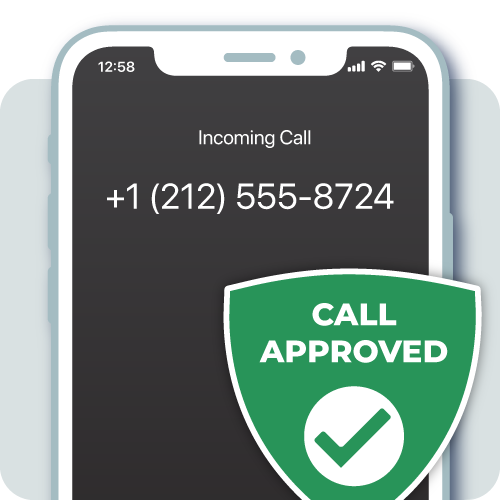
Without spoof protection, your legitimate healthcare calls and fraudulent calls using your number look identical to patients. First Orion addresses this directly with SENTRY Call Blocking, which authenticates every outbound call using a unique key system. Calls with a valid key are delivered; those without are blocked before they reach the patient. SENTRY works with all major U.S. carriers, providing carrier-grade defense that exceeds STIR/SHAKEN standards.
What Does Branded Caller ID Look Like in Healthcare?
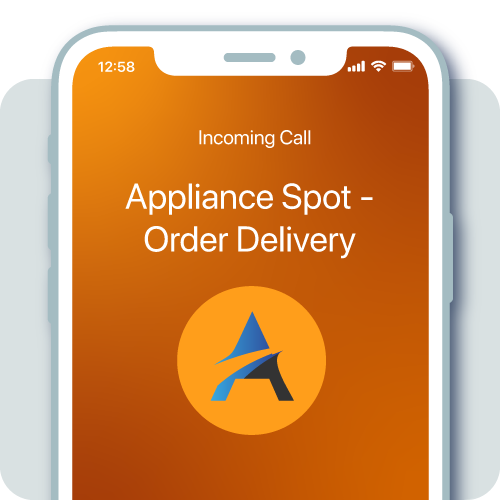
Branded caller ID replaces the anonymous number on a patient's phone with your healthcare organization's verified name, optionally a logo, and a call reason. Instead of seeing "+1-555-012-3456," the patient sees "Memorial Health Appt Reminder" or "Dr. Patel Lab Results."
First Orion's INFORM Branded Calling enables healthcare organizations to display up to 32 characters of customizable text on outbound calls across T-Mobile, Verizon, AT&T, and Boost Mobile. The branding is carrier-based, which means patients do not need to download an app or change any settings on their device.
For healthcare contact centers managing multiple departments, INFORM allows you to customize the display by call type. Appointment scheduling, billing, care coordination, and pharmacy notifications can each carry a distinct branded identity. This level of specificity helps patients understand not just who is calling, but why.
How to Protect Your Healthcare Organization's Caller Identity
Building a trusted caller identity requires more than activating a single product. Healthcare organizations benefit from a layered approach that addresses branding, authentication, and ongoing reputation management.
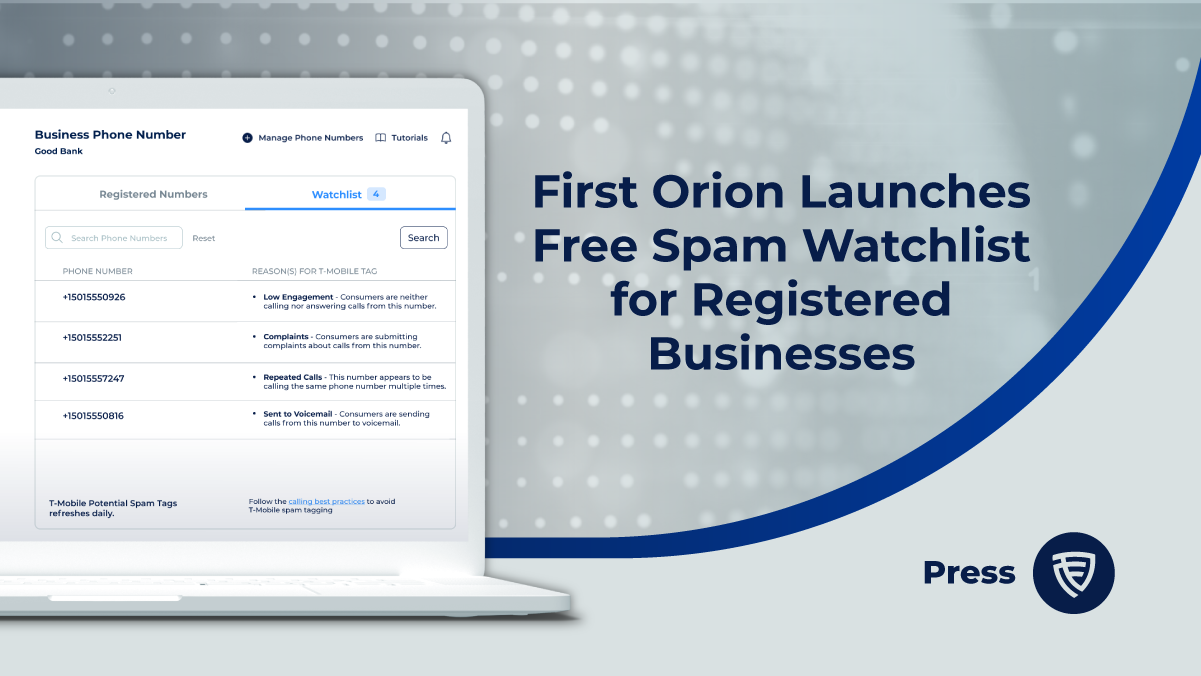
- Register your business numbers. First Orion offers free Business Number Registration that ensures your outbound numbers are verified and properly classified with major carriers. Registration takes minutes and is the foundational step toward reducing false spam labels.
- Activate INFORM Branded Calling. Display your healthcare organization's name on every outbound call. Customize by department so patients immediately understand the purpose of each call.
- Enable SENTRY Call Blocking. Authenticate outbound calls with a unique key system that blocks unauthorized spoofing attempts before they reach patients. SENTRY integrates via REST API or SIP configuration.
- Monitor with AFFIRM® Reputation Monitoring. Track your number reputation across carriers, detect mislabeling early, and take corrective action before answer rates are affected.
FAQs About Unbranded Caller ID and Patient Trust
What is unbranded caller ID in healthcare?
Unbranded caller ID displays only a numeric phone number with no business name, logo, or call reason on the patient's device. This makes healthcare calls indistinguishable from unknown or potentially fraudulent calls, leading patients to decline or ignore them.
How does unbranded caller ID affect patient answer rates?
Most U.S. adults never answer calls from numbers they do not recognize. For healthcare organizations, this means most outbound patient calls go unanswered when no caller identity is displayed, increasing callback attempts and delaying care.
How does First Orion help healthcare organizations brand their calls?
First Orion's INFORM Branded Calling displays your organization's verified name on outbound calls across all major U.S. carriers and select carriers through First Orion’s Global Exchange. Healthcare providers using INFORM have reported increases in answer rates of 23% to 34%, reducing missed connections and accelerating patient engagement.
Can scammers spoof a healthcare organization's phone number?
Yes. Scammers routinely impersonate healthcare phone numbers to steal personal data and payments. First Orion's SENTRY Call Blocking authenticates every outbound call and blocks unauthorized Spoofing attempts before they reach patients, protecting both your brand and your patient community.
What is the difference between CNAM and Branded Calling?
CNAM relies on decades-old databases that healthcare organizations cannot manage directly, often displaying truncated or incorrect names. First Orion's branded calling puts you in control of your caller display with up to 32 characters of customizable text, delivered at the carrier level with no app required.
Related resources
INFORM Branded Calling for Post-Discharge Patient Outreach
What Is Rich Call Display for Business Calls?
8 Warning Signs of Spoofed Hospital Calls in 2026
What Is the ROI Of Branded Calling and How Much Can It Lift Answer Rates?
Why Healthcare Organizations Should Register Their Business Numbers