
Key takeaways:
- First Orion's Business Number Registration verifies your organization's outbound numbers with major carriers, no developer, telecom contract, or IT support required.
- Carriers assign call labels based on signals like call volume and complaint history. A number with no business information attached looks identical to a spoofer or robocall operation until a pattern proves otherwise.
- When a legitimate fraud alert or servicing call goes unanswered, close to half of consumers assume the alert itself was fraudulent, not a dropped or blocked call, opening the door to delayed fraud resolution and account takeover.
- The process takes three steps, typically completed in under 5 minutes, through First Orion's Customer Portal.
- Carriers still label calls based on behavior, so registration works best paired with call practices like consistent numbers, limited repeat dialing, and honoring opt-out requests.
What Is Business Number Registration?
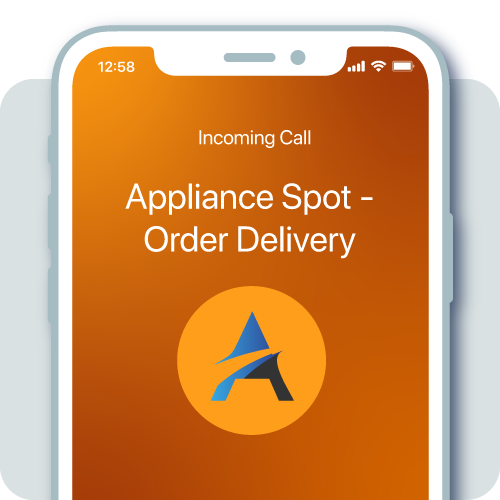
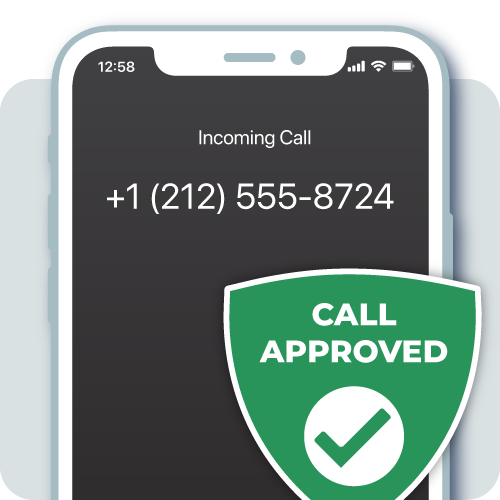
First Orion’s Business Number Registration is the process of submitting your organization's information and outbound calling numbers so major carriers can vet and verify them. Once registered, your calls are more likely to display accurately and less likely to be mislabeled as spam or scam likely.
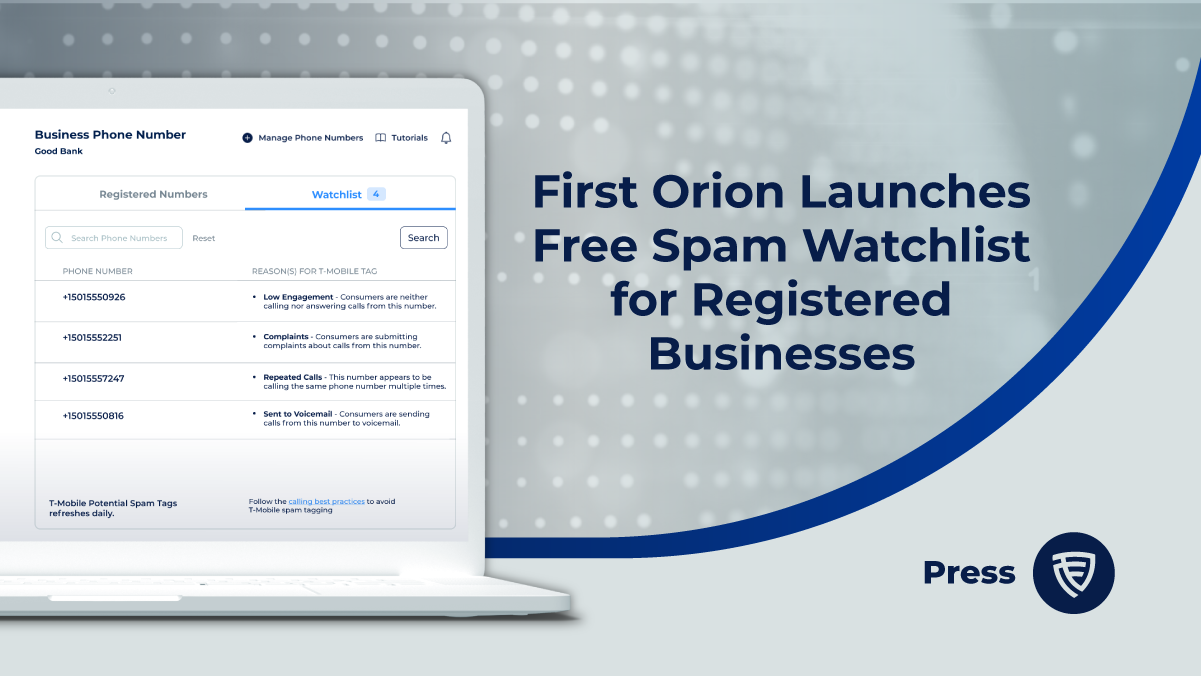
There is no cost for this service. You do not need a developer, a telecom contract, or IT support. You create an account in First Orion's Customer Portal, enter your organization's details, and add your numbers for verification. Within days, your numbers carry verified business information that carriers use to determine how your calls display.
Why Registration Matters for Healthcare Organizations
Healthcare organizations rely on the phone more than almost any other industry to keep care on track. Appointment reminders, prescription updates, billing calls, lab results, and follow-up outreach all depend on patients actually answering the phone.
When a hospital or clinic calls from an unregistered number, that call risks getting flagged as spam or scam before the patient ever sees why the office is reaching out. A missed appointment reminder can mean a no-show. A missed callback about test results can delay care. In an industry where timely communication affects health outcomes, an unrecognized number isn't just a branding problem, it's an operational one.
How Does an Unregistered Number Get Mislabeled?
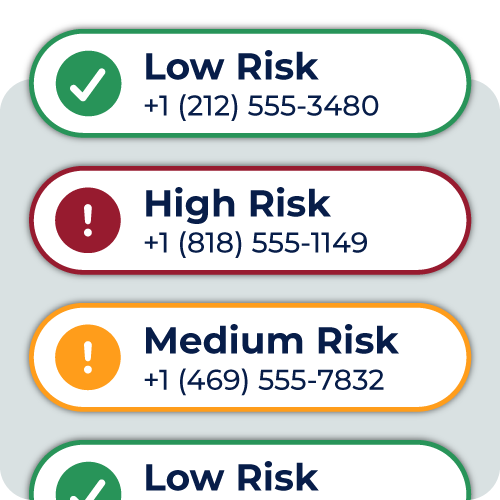
Carriers and third-party analytics engines assign call labels based on signals like call volume, complaint history, and registration status. A number with no business information attached looks identical to a number used by a spoofer or a robocall operation, at least until a pattern of behavior tells the carrier otherwise.
For healthcare organizations, this creates a compounding risk. Fraudsters actively spoof bank and credit union numbers to run their own scams, which trains consumers to treat unfamiliar or previously spoofed numbers with suspicion.
When your organization's real fraud alert call then hits a device with no verified identity behind it, the customer has no easy way to tell your legitimate call apart from the scam that primed their distrust in the first place. Recent research on this effect found that when a follow-up call after a fraud alert fails to connect, close to half of consumers conclude the alert itself was fraudulent, not a dropped or blocked call.
That confusion is a direct path to account takeover, delayed fraud resolution, and, ultimately, reputational and regulatory exposure for the organization.
How Long Does Registration Take?
Registration takes only three steps, typically completed in under 5 minutes:
- Create an account or log in to First Orion's Customer Portal.
- Provide your organization's information and opt in to share it with carrier networks.
- Add your business phone numbers for verification.
After that, First Orion handles the rest. Your organization gets vetted and verified, and your identity is communicated to major U.S. carriers. Within days, your numbers are registered, and they are no longer indistinguishable from the scammers and spoofers carriers are actively trying to filter out.
Does Registration Guarantee My Calls Won't Be Labeled Spam?
No, and any solution that claims otherwise should be viewed with skepticism. Carriers make their own labeling decisions based on call behavior, complaint patterns, and other factors beyond registration alone.
What registration does is remove the most basic reason for mislabeling: a complete lack of business information. Once your numbers are registered, pairing that foundation with sound calling practices, such as using consistent numbers, avoiding excessive repeat dialing, and respecting opt-out requests, gives carriers a much clearer picture of who you are and why you are calling.
Registration Plus Call Best Practices Equals Better Results
Improving call outcomes takes more than registering your business numbers. It also requires following proven outbound calling best practices.
Registration verifies identity to carriers. Pairing that with consistent, respectful call practices helps ensure your calls are not flagged as nuisance or spam alongside everything else your organization needs to get right.
- Do not use one main calling telephone number for multiple uses. Outbound numbers used for multiple purposes tend to get flagged by analytics engines and receive mixed feedback from consumers. For example, a telephone number used for marketing should not be used by other departments for other subjects. By segmenting telephone numbers by purpose or subject, enterprises can improve the legitimacy of their numbers.
- Avoid excessive calling to the same call recipient. Review the number of times a particular user is called across all outbound calling campaigns from the same calling party in a short amount of time. Call recipients are generally tolerant of receiving two calls per day from the same calling party. However, when call frequency increases to three or more per day, user tolerance drops significantly, and recipients may begin to block numbers or report them, leading to potential mislabeling, including being tagged as spam or scam.
- Ensure users expect a call. Review the methods used to opt users into outbound calling campaigns to ensure they are clear and consistent. Ensure that users understand they should expect a call from the calling party and that the calls will be placed within 90 days of the user opting in to be contacted.
- Respect users’ requests not to be contacted. Comply with Do Not Call lists, other TCPA requirements, and user requests not to contact and provide a number/contact information that called parties can use to prosecute or report any alleged violations of law.
- Provide a consistent, real, and user-dialable telephone number with every call you make. Calls from a calling party number that is invalid or not assigned to the caller are more likely to be flagged, increasing the risk of mislabeling, including being tagged as spam or scam, and may potentially be blocked.
- Provide a consistent Calling Name that matches context. Displaying an accurate and consistent Caller Name gives customers more confidence knowing who is calling and helps them make the decision to answer the call.
- Align context and content of calls for the duration of the number’s assignment. Consistently using the same number for the same purpose results in a more accurate reputation. Keep your numbers to a single subject (department) use to avoid being tagged as a robocall.
- Document normal calling patterns. When launching a new call campaign, use a number that is compliant and known. This will aid analytics and service providers to designate the number as legitimate and not a number that’s being spoofed. Avoid unusual spikes in traffic volumes and follow and document expected and normative call pattern description.
- Don’t use a pre-recorded message for lead prospecting calls. Use a live person on the call. Calls that rely on pre-recorded messages for lead prospecting are generally not well received and are more likely to be reported, resulting in potential mislabeling, including being tagged as spam or scam.
- Don’t call unassigned numbers frequently. Know your customers and their current numbers. Frequent calls to unassigned numbers become a red flag and mirrors a technique that bad actors use by dialing random numbers looking for unsuspecting consumers.
Together, business number registration and disciplined call habits build trust with both carriers and customers, increasing the likelihood that your fraud alerts, servicing calls, and outreach get answered when it matters.
Register Your Numbers Today
If your organization has not registered its phone numbers, you are leaving caller ID, and the trust of every customer who depends on you to reach them in a moment that matters, to chance. The process is free, fast, and the first real step toward making sure your customers answer when you call.