
Temim Adwan, Managing Director EMEA, First Orion
Jack Bulpin, Global Product Manager, Vodafone
Branded calling is only the starting point for trusted communications, write Vodafone and First Orion. Standardized network APIs, through initiatives such as CAMARA and GSMA Open Gateway, could make caller authentication easier to scale across operators and markets.
A phone call only works if the customer is willing to answer. Increasingly, that depends on whether they trust the call.
Years of unwanted calls, spoofing, and fraud have made consumers wary of numbers they don’t recognize. That’s a problem not only for consumers, but also for legitimate businesses that rely on voice communication for important customer interactions. A call about a financial transaction, insurance claim, healthcare appointment, or service issue has little value if the customer assumes it may not be legitimate.
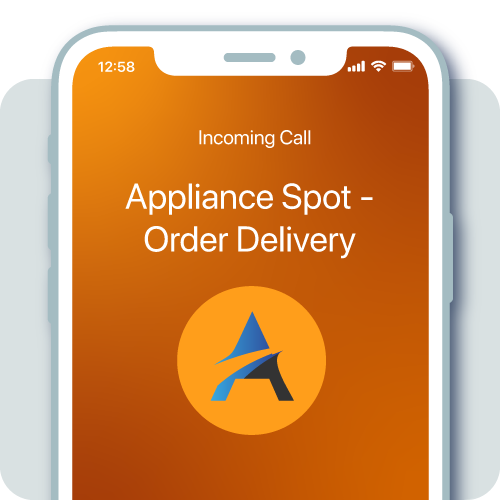
Branded calling helps address that problem by making the identity of the caller clear before the call is answered. But displaying a business name is only part of the solution. The larger challenge is ensuring that identity can be trusted and delivered consistently across the operators and markets where businesses need to reach customers.
Standardized network APIs are beginning to change that equation. Through initiatives such as GSMA Open Gateway and CAMARA, the industry is developing common ways to make network capabilities available that have historically depended on individual operator implementations. Branding and call authentication help establish confidence in who is calling, while standardized APIs make those capabilities easier to deploy across operators and markets.
From recognition to authentication
Consumers once recognized many callers simply by their phone numbers. That has become far less practical as businesses rely on multiple numbers, contact centers, and communications platforms to reach customers. Providing a business name gives customers an immediate point of reference, helping them make more informed decisions about whether to answer.
But recognition only helps if the identity itself can be trusted. If a fraudulent caller can impersonate a trusted bank, government agency, or other familiar organization, the same recognition that encourages a customer to answer can work against them.
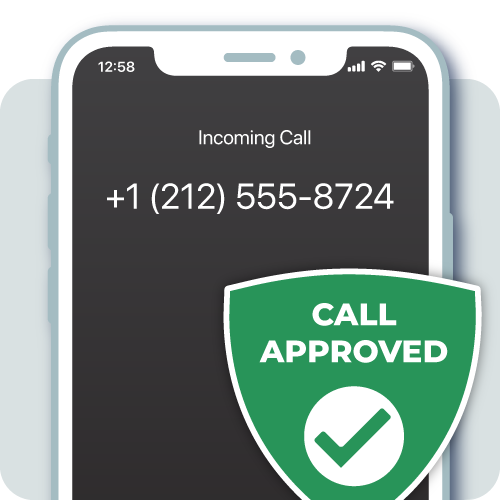
Call authentication helps address that risk. One approach, used by Vodafone through its Brand Registration and Verified Caller capabilities, establishes verified business identity and allows information about an outbound call to be sent through an API before the call is placed.
When the call reaches the network, the information is matched against the incoming call before the associated branding is applied. Recognition can help establish who is calling; authentication adds confidence that the identity being presented belongs to the caller.
New model for scaling trusted calling
Historically, operators have made branded calling available through different platforms, interfaces, and proprietary APIs. For providers serving enterprises across multiple networks, each new implementation could mean another round of development, testing, security, and privacy reviews. Under the previous integration model, supporting branded calling across Vodafone Germany and Vodafone UK, for example, required separate integrations for each market.
Standardized APIs offer a way to reduce that fragmentation. CAMARA provides common API specifications that participating operators can use to make network capabilities available, while giving providers a more consistent way to connect. Vodafone’s implementation shows how that model can work across its operating companies, while First Orion’s Global Exchange connects enterprises to branded calling capabilities across CAMARA-standard and other carrier-provided APIs. Together, those approaches can reduce the need to rebuild the integrations market by market.
For example, First Orion extended branded calling to Ireland through its existing Vodafone Group API integration, without additional integration work.
For enterprises operating across multiple countries, the benefit is practical: less repeated development and testing and a faster path to extending service into additional markets. More broadly, common interfaces can reduce the technical complexity of bringing trusted calling to additional participating networks and markets.
Common interfaces, different networks
Standardization does not require telecom networks to become identical.
Operators still determine how capabilities are implemented on their networks, establish their security requirements, and control the services they provide to subscribers. Common interfaces can make those capabilities easier to access across different network environments without requiring operators to implement them in the same way.
Standardized APIs are only one part of the infrastructure required for trusted calling.
Call authentication can be integrated with the communications or contact-center platform an enterprise already uses. For the process to be seamless, information about the call can be sent in the background as part of the normal outbound calling process rather than requiring an agent to take another action. Broader adoption by unified communications and contact-center providers will therefore be important if authentication is to become routine.
Device manufacturers have a role as well. An operator can enrich a call with verified business identity, but displaying that information also requires support on the device.
Trusted calling at scale depends on all elements working together: enterprises establishing their identity, technology providers connecting them to operator capabilities, operators authenticating and enriching calls, communications platforms supporting the process, and devices presenting that information to consumers.
From branded calls to trusted voice
The industry is still moving toward broader interoperability. Operators are at different stages of deployment, and wider adoption across networks, communications platforms, and devices will be important to make trusted calling more consistent across markets.
The longer-term opportunity is for trusted business identity to become a standard part of the voice experience. Businesses should be able to reach customers with an identity they can recognize and trust without rebuilding the process every time they enter another participating network or market.