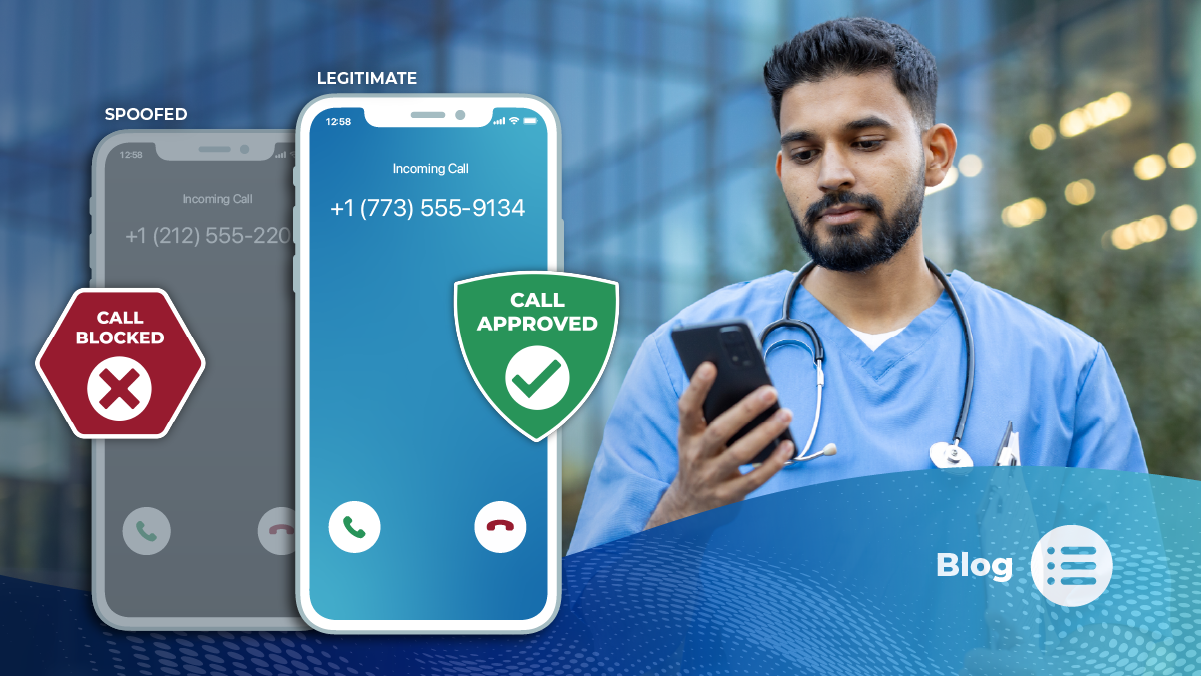
Key Takeaways
- Spoofed hospital calls often pressure patients into sharing insurance or Medicare details immediately.
- Caller ID alone cannot verify that an incoming hospital call is legitimate and trustworthy.
- Weak call authentication gaps allow scammers to impersonate hospital phone numbers at scale.
- SENTRY® Call Blocking blocks unauthorized use of your hospital numbers at the carrier level.
- Training staff and patients to recognize red flags reduce the success rate of phone fraud.
Spoofed hospital calls are a growing threat to patient trust and healthcare operations. Scammers impersonate hospital phone numbers to steal insurance details, Medicare IDs, and personal health information.
For contact center and patient communications leaders, recognizing the red flags early can mean the difference between a secure organization and a costly breach.
SENTRY Call Blocking from First Orion helps healthcare organizations protect their outbound call identity with carrier-level authentication that blocks fraudulent calls before they reach patients. This article walks you through eight warning signs that a hospital call may be spoofed, along with practical steps you can take to defend your organization and your patients.
Recognizing the Red Flags of Hospital Phone Fraud
1. Urgent Demands for Insurance or Payment Information
Fraudulent callers often create a false sense of urgency. They claim your insurance is about to lapse, or a medical bill must be settled right now to avoid penalties.
Legitimate hospital departments do not demand immediate payment or insurance details over the phone without prior written notice. If a caller pressures you for financial information and refuses to let you verify the call through the hospital's main line, treat it as a red flag. Always hang up and call the number on your insurance card to confirm.
2. Caller ID Shows a Hospital Number, but the Conversation Does Not Match
Spoofing technology lets attackers display any number they choose on your phone screen. A call may appear to originate from your hospital's main switchboard, but the person on the other end asks questions no hospital staff member would ask.
Pay attention to requests for Social Security numbers, credit card details, or login credentials. Real hospital staff follow established verification protocols and will not ask for sensitive data unprompted.
According to FTC data released in 2026, consumers reported losing $3.5 billion to imposter scams in 2025, with phone-based impersonation among the most common tactics.
3. Requests for Personal Health Information Over the Phone
Scammers posing as hospital representatives may ask patients to confirm medical records, medication lists, or provider names. They use this information for identity theft or to file fraudulent insurance claims.
HIPAA-compliant hospitals have strict protocols for sharing patient health information. If a caller asks you to read back clinical details without confirming their identity first, the call is likely fraudulent. A real hospital team member will already have your records on file and will not need you to recite them.
4. Robotic or Pre-Recorded Voice Messages Claiming to Be from the Hospital
Automated calls that claim to be from your hospital's billing department or pharmacy are a major red flag. These robocalls typically direct patients to press a number or call back a different line where a live scammer takes over.
The FCC's Hospital Robocall Protection Group found that unsolicited robocalls to hospital lines "disrupt critical communications and threaten patient privacy." If your patients report receiving automated messages from your number that you did not send, your organization's numbers may already be spoofed.
5. The Caller Cannot Verify Their Department or Direct Extension
A legitimate hospital employee can tell you their name, department, and direct callback number. Scammers often cannot, and they redirect the conversation when pressed for specifics.
Encourage patients and staff to ask for a department name and extension, then hang up and call the hospital's published main number to confirm. This step breaks the scammer's control of the conversation and protects against caller identity manipulation. Organizations that display verified caller information on outbound calls make it easier for patients to distinguish real from fraudulent contact.
6. Calls Arrive at Unusual Hours or With Unusual Frequency
Most hospital outreach follows standard business hours and scheduled communication patterns. When patients receive repeated calls at odd hours claiming to be from your hospital, it suggests an organized Spoofing campaign.
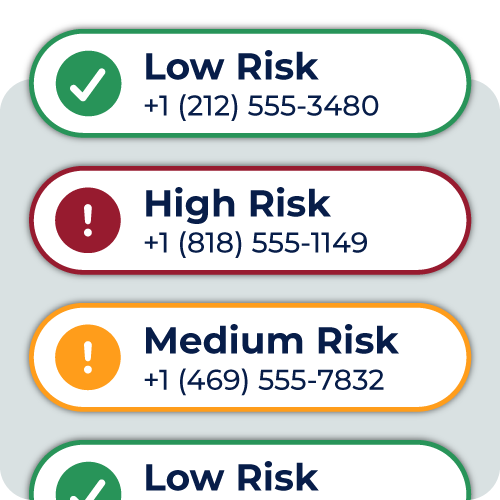
Monitoring your call reputation helps you catch these patterns early. First Orion’s AFFIRM™ Reputation Monitoring tracks how your outbound numbers are labeled across carriers, alerting you when unusual activity triggers a Scam Likely label, so you can investigate before patient trust erodes. Tracking call velocity and timing anomalies is essential to identifying fraud campaigns in progress.
7. Your Hospital's Outbound Numbers Are Getting Flagged as Spam
When scammers spoof your numbers, carriers may begin flagging those numbers as suspicious. Your legitimate calls for appointment reminders, care coordination, and follow-ups start going unanswered because patients see a "Spam Likely" label.
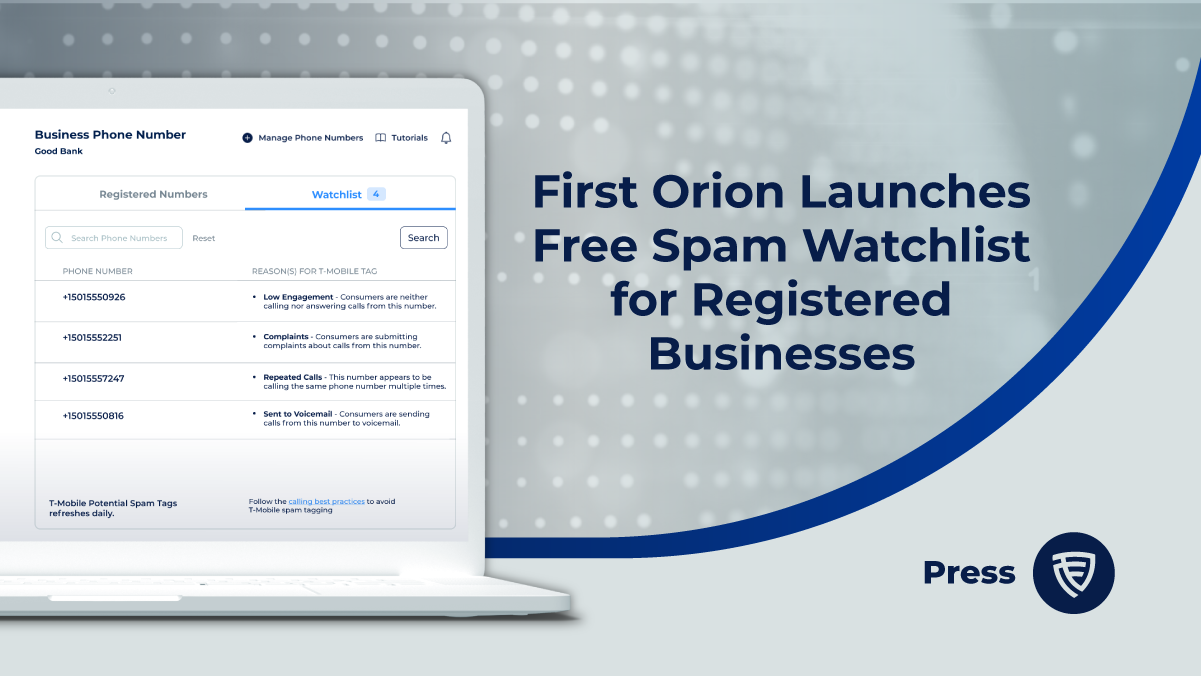
Your answer rates drop, patients miss critical health information, and your staff spends hours troubleshooting. Registering your business numbers with carriers is a foundational step toward reclaiming your number reputation. Pairing registration with active reputation monitoring gives you ongoing visibility into how carriers classify your calls across networks.
8. No Call Authentication Protocols Are in Place
If your organization has not implemented call authentication beyond basic STIR/SHAKEN attestation, you are operating with a significant gap. STIR/SHAKEN verifies call path integrity, but it does not confirm that the entity placing the call is authorized to use your number.
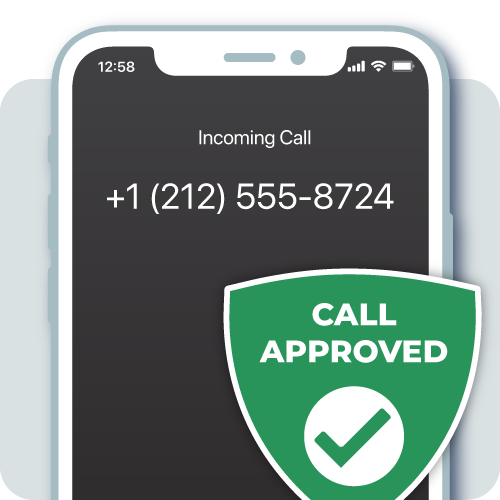
First Orion closes this gap with SENTRY, which generates a unique, time-limited authentication key for each outbound call. Carriers verify that key before connecting the call, and any call without a valid key is blocked. This means fraudulent calls using your number never reach patients.
How to Protect Your Hospital From Spoofed Calls
Recognizing warning signs is the first step. Taking action is what protects your patients and your brand. Start by registering your outbound numbers with major carriers so they can be properly classified. Then add carrier-level spoof protection to block unauthorized use of your hospital's identity.
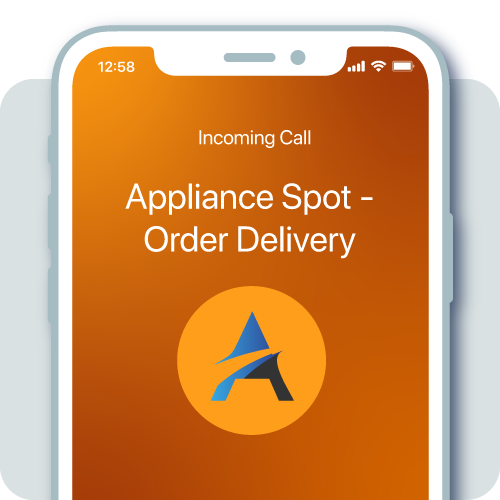
First Orion gives healthcare organizations a layered defense. SENTRY blocks spoofed calls at the carrier network. INFORM Branded Calling displays your verified name and call reason so patients know who is calling.
AFFIRM monitors your number reputation in real time. Together, these tools help you restore patient trust and protect the integrity of every call your organization makes.
If spoofed calls are already damaging your hospital's answer rates and patient engagement, schedule a conversation with First Orion to assess your exposure and build a protection plan.
FAQs About Warning Signs of Spoofed Hospital Calls
What is a spoofed hospital call?
A spoofed hospital call is a fraudulent call where the attacker manipulates caller ID to display a hospital's phone number. The goal is to trick patients into sharing personal, financial, or medical information by impersonating trusted healthcare staff.
How do scammers get hospital phone numbers to spoof?
Scammers collect hospital phone numbers from public directories, websites, and data breaches. Spoofing technology then lets them place calls that appear to originate from those numbers without needing access to the actual phone system.
Can STIR/SHAKEN prevent all spoofed hospital calls?
STIR/SHAKEN verifies the call path but does not confirm that the caller is authorized to use a specific number. Additional authentication, like the carrier-level key system First Orion SENTRY uses, is needed to block unauthorized calls before they connect.
How does weak call authentication affect patient trust?
When patients receive fraudulent calls that appear to come from their hospital, they lose confidence in answering future calls. This means legitimate outreach for appointments, test results, and care coordination goes unanswered, directly harming patient outcomes.
What should hospital staff do if they suspect a spoofed call?
Staff should document the caller's claims, note the displayed number, and report the incident to IT security and compliance teams. Patients should be advised to hang up and call the hospital's verified main number before sharing any information.
How does First Orion help hospitals prevent phone fraud?
First Orion protects hospitals with SENTRY Call Blocking to block unauthorized calls, INFORM Branded Calling to display verified identity on outbound calls, and AFFIRM Number Monitoring to detect and resolve number reputation issues before they affect patient engagement.
AFFIRM, Spam, and Scam Frequently Asked Questions
How does AFFIRM detect spam or scam labeling?
AFFIRM uses validation calls to observe how business calls are displayed on mobile devices and surfaces those insights in the Customer Portal.
What is the difference between scam calls and spam calls?
Scam calls are fraudulent — callers misrepresent themselves to steal personal information or money. Spam calls may come from legitimate businesses but use poor calling practices (excessive frequency, bad timing) that annoy recipients. Both can be tagged by carriers, allowing recipients to decide whether to answer.
How do carriers determine the label or tag displayed for my phone number?
Spam/scam tags are assigned by carrier analytics systems that evaluate calling patterns, complaint data, and behavioral signals in real-time to identify potentially risky calls.
What is business phone number trustworthiness?
Business number trustworthiness is your phone number's reputation score across telecom networks. It reflects whether carriers and recipients recognize your number as legitimate. High trustworthiness means your calls display properly and reach customers; low trustworthiness results in spam labels, blocked calls, and reduced answer rates.
What happens if my business phone number has a poor reputation?
An untrustworthy business number leads to: decreased answer rates as calls get marked as spam, damaged customer trust and brand reputation, missed revenue opportunities from unanswered outreach, and potential blocking by carrier networks. Proactive reputation management is essential to avoid these outcomes.
How do carriers determine the label or tag displayed for my phone number?
Spam/scam tags are assigned by carrier analytics systems that evaluate calling patterns, complaint data, and behavioral signals in real-time to identify potentially risky calls.
Related Resources
How to Prevent Scams Calls from Reaching Your Customers
Why Business Registration and Verification are the Foundation of Trusted Business Communications