Key takeaways
- Holiday text scams put consumers’ money and personal information at risk while undermining confidence in legitimate business communications.
- Fake delivery updates, purchase alerts, giveaways, charity appeals, and gift-card requests exploit familiar interactions to make fraudulent messages seem credible.
- Businesses need to make their messages recognizable, helping customers distinguish verified communications from texts that simply claim to represent a trusted organization.
- ENRICH® Branded Messaging delivers verified, branded, interactive text experiences, giving customers clearer context about who is contacting them.
- Adopting recognizable, verified messaging helps businesses build customer trust during a holiday season crowded with suspicious texts and maintain that confidence beyond the holidays.
Holiday shopping comes with plenty of notifications. Order confirmations. Shipping updates. Sale reminders. Unfortunately, scammers have their own messages to add to the mix.
A package that needs a new address. A suspicious purchase that requires immediate attention. A gift card someone supposedly won. Each message borrows a familiar business interaction and turns it into an opportunity for fraud.
For consumers, the risks include stolen money and personal information. But businesses have something at stake, too: trust. When scammers impersonate retailers, banks, shipping companies, and other organizations, customers have more reason to question the legitimacy of messages from those businesses.
The financial stakes are growing. In the first half of 2026, people who reported losing money to scams that started by text lost an average of $1,960 per incident—about 35% more than during the same period in 2025, according to U.S. PIRG Education Fund’s analysis of FTC data.
For businesses, these scams pose another challenge: building customer confidence in the legitimacy of the messages they send.
Here are five holiday text scams that put consumers and business relationships at risk and why recognizable, verified messaging matters.
1. The “Your Package Can’t Be Delivered” Text
Customers waiting for holiday gifts are a natural audience for fake shipping notifications. A text says their package is stuck because of an incomplete address, a failed delivery attempt, or an unpaid fee.
An example might read: “Delivery unsuccessful. Confirm your address and pay the redelivery fee to receive your package before the holidays.”
The link leads to a website that resembles a shipping company’s site, where the recipient is asked to provide personal or payment information.
Why it matters for businesses
This scam imitates a useful customer touchpoint: the delivery update. It creates a difficult environment for retailers and shipping providers that genuinely need to communicate about orders. Customers are left sorting real updates from fraudulent requests.
What customers should do
Check the order through the retailer’s official website or app, or navigate directly to the shipping company’s website. Don’t use the link or contact information supplied in the unexpected text.
2. The Fake Holiday Purchase Alert
During a busy shopping season, an unexpected purchase alert can feel especially urgent.
An example might read: “Fraud alert: Did you authorize a $749 purchase? Reply NO immediately if this wasn’t you.”
Responding can connect the recipient with someone posing as a fraud specialist. The scammer may then claim the account is compromised and instruct the customer to move money to supposedly protect it.
Why it matters for businesses
These messages misuse the credibility of banks and retailers. They also complicate a sensitive interaction: contacting a customer about a potentially unauthorized purchase. Businesses need customers to take genuine account communications seriously without encouraging them to trust every urgent text.
What customers should do
Open the bank’s official app or call the number on the back of the payment card. Don’t call a number supplied in the unexpected message or transfer money because an alleged fraud specialist says it will keep the funds safe.
3. The “You’ve Won a Free Gift Card” Message
Holiday promotions give scammers a familiar format to copy: the giveaway.
An example might read: “Holiday giveaway! You’ve been selected for a $200 gift card. Complete a short survey to claim your reward.”
The promised reward is a lure for personal or financial information. The FTC warns that scammers use offers of free gift cards to persuade people to hand over sensitive details.
Why it matters for businesses
For retailers and other brands, promotions are an opportunity to build customer relationships. Fake giveaways borrow that same excitement while giving recipients another reason to question whether a branded offer is genuine.
The distinction between “a message mentioning your business” and “a verified message from your business” matters.
What customers should do
Avoid links in unexpected prize messages, and don’t provide payment information to claim a supposed free gift card. Check the promotion independently through the retailer’s official website or app.consumer.ftc
4. The Urgent Holiday Charity Appeal
Scammers also impersonate charitable organizations, using emotional stories and urgent deadlines to encourage donations.
An example might read: “Help provide holiday gifts for local families. Donate before midnight to make sure no child goes without.”
The goal is to get the recipient to give before researching the organization or confirming where the money will go. The FTC warns that scammers impersonate reputable charities and advises donors to resist pressure to act immediately.
Why it matters for organizations
A fraudulent appeal exploits more than a donor’s generosity. It also misuses the reputation of the organization being impersonated. For nonprofits conducting legitimate holiday outreach, communicating clearly about who is asking—and how to donate through official channels—is especially important.
What customers should do
Research the organization and visit its official donation page independently. Requests to donate by gift card or wire transfer are warning signs; the FTC recommends credit cards or checks as safer payment methods.
5. The “Boss Needs Gift Cards” Request
Some scam texts impersonate a person rather than a brand. During the holidays, a request to help with employee gifts or a team celebration can sound plausible.
An example might read: “I’m tied up in meetings and need a quick favor. Can you buy gift cards for the team and text me the codes? I’ll reimburse you.”
Once the recipient shares the card numbers and PINs, the scammer can access the funds. The FTC specifically warns about unexpected messages from people pretending to be a boss and requesting gift cards.
Why it matters for businesses
This tactic brings the trust problem inside the organization. It exploits an employee’s willingness to help and the authority associated with a manager’s name.
It also reinforces a broader lesson for business communication: a familiar name in the message itself is not the same as a verified sender.
What employees should do
Confirm the request through a known work channel or phone number. Don’t send gift-card numbers, PINs, or photos of the cards in response to an unexpected message.
Make Trust Part of Your Holiday Messaging Strategy
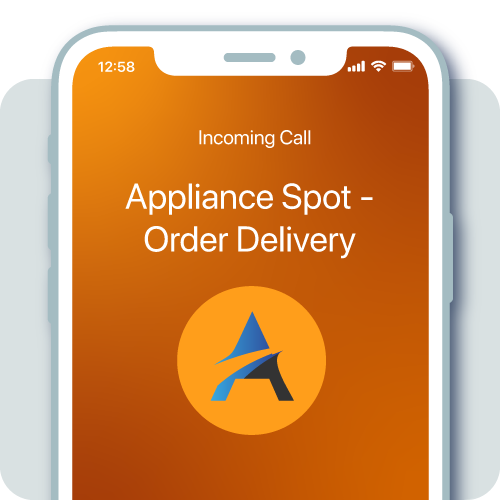
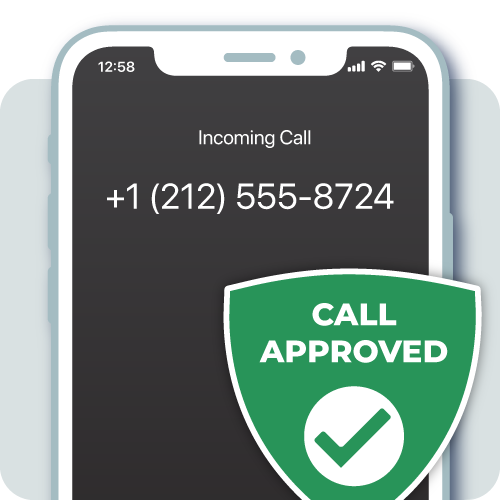
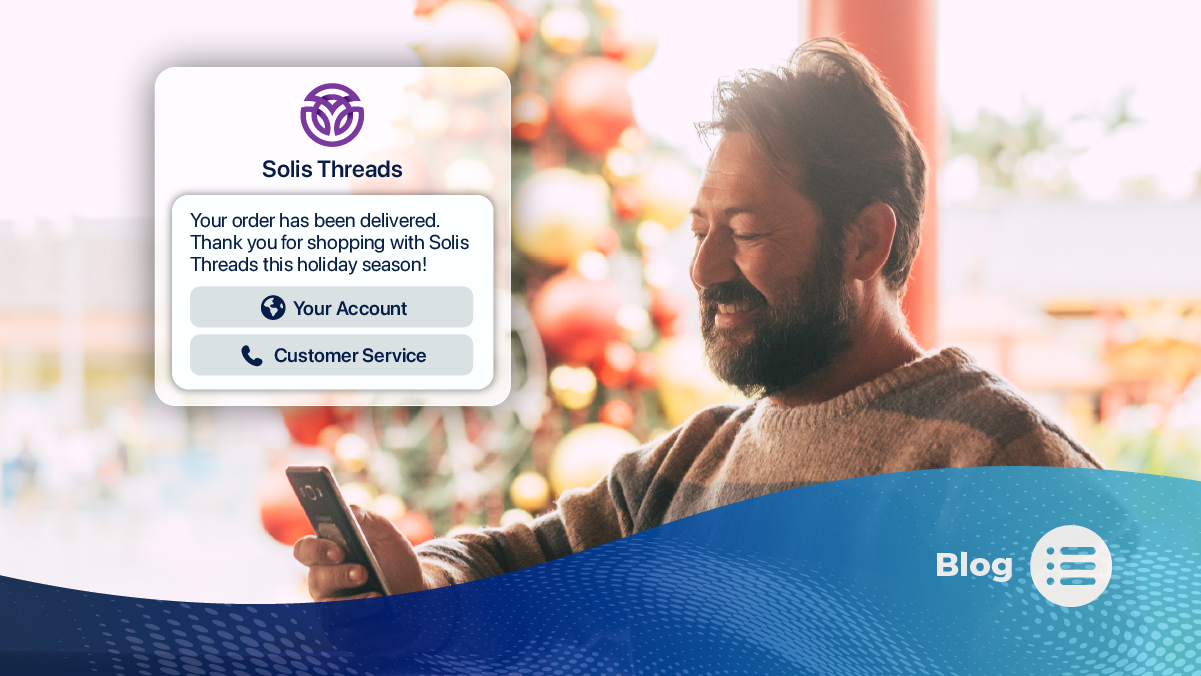
Holiday text scams put consumers at risk and make it harder for legitimate businesses to earn customers’ trust. ENRICH Branded Messaging from First Orion helps businesses make their communications recognizable through verified sender identity, brand names, logos, rich content, and two-way conversations delivered through RCS on supported devices.
Whether sharing an order update, sending a reminder, or providing customer support, businesses can offer a verified, interactive experience that helps customers recognize who they’re communicating with. ENRICH helps businesses build confidence in their own messages during the holiday rush and beyond.
Explore ENRICH Branded Messaging to strengthen your customer communications.
ENRICH Branded Messaging FAQs
How is ENRICH different from traditional SMS or MMS?
While both RCS and SMS are delivered in the recipient's native messaging application, SMS is limited to 160 characters of text and relies on MMS capabilities to support picture and video. ENRICH delivers rich, interactive experiences typically reserved for third-party messaging applications and enables rich media content like high-resolution images, media attachments, and carousels.
Can I use ENRICH for two-way conversations with customers?
ENRICH provisions two-way conversational application-to-person (A2P) messaging through the RCS channel. This allows the business to send branded messages via First Orion's API and receive customer replies via First Orion's webhook.
What devices or carriers support RCS and ENRICH?
ENRICH reaches all Android and iOS devices (version 18.1 and above) across all major US carriers.
What happens if a recipient's phone does not support RCS?
RCS platforms can automatically fall back to SMS when the recipient's device lacks RCS capability. This ensures your message reaches the customer regardless of device capabilities. First Orion handles this fallback routing automatically through the ENRICH platform.
What reporting is available with ENRICH? ENRICH Branded Messaging provides high-level visibility into your RCS agents from one centralized dashboard. Businesses can see:
- Message sent and received
- Open rates
- Rich content activity
- Customer opt-out rate
- Agent status and use case
- Clicks to any action buttons
Related resources
How to Keep Your Black Friday and Cyber Monday Texts From Getting Ignored
ENRICH Best Practices: How to Get the Most Out of Every Branded Message
Trust You Can See: The New Standard for Trusted Business Communications
RCS Business Messaging: A Practical Guide to Life After Activation