Key Takeaways
- More than half of patients (53%) have ignored or delayed responding to a legitimate healthcare message because they feared a scam.
- Scam confusion costs providers too. Healthcare workers report missed appointments (23%), delayed care (20%), and front-desk time lost to patient questions.
- Patients trust a text when they see a recognized sender name, understand why a link exists, and get an action that matches what they expect.
- ENRICH® Branded Messaging uses RCS to deliver verified, branded messages with rich cards, carousels, and suggested replies inside the native messaging app.
- Healthcare teams can manage branded calling and messaging with a single provider and connect ENRICH to existing workflows via an API or platform integration.
Healthcare organizations send appointment reminders, billing updates, and care coordination messages every day. Many of those messages never receive the response they need because patients no longer trust what lands in their inboxes.
How many patients ignore healthcare messages because they fear a scam?
More than half. A Tebra survey found that 53% of patients who receive healthcare messages have ignored or delayed responding to a legitimate one because they thought it might be a scam. The same survey shows the cost on both sides of the exchange:
- About 1 in 20 Americans (4%) have lost money to a healthcare-related scam. Those affected lost an average of roughly $2,750.
- Nearly 1 in 4 healthcare workers (23%) said scam messages have led to missed appointments, and 1 in 5 (20%) reported delayed care.
- Over 1 in 4 healthcare workers (27%) estimate that 5 to 10% of front-desk or administrative staff time is spent resolving confusion caused by scam messages.
Every healthcare communications team sending appointment reminders, billing updates, or care coordination texts should take that first number personally. Patients have learned that anonymous texts with shortened URLs and vague sender information look identical to phishing attempts, and they respond accordingly.
What makes a patient trust a healthcare text?
Three things separate a trusted hospital text from one that gets deleted:
- A verified sender name patients recognize before they read a word. The sender identity does the first job of establishing trust.
- Enough context to explain why the link exists. A patient should understand the purpose of a message before deciding whether to tap anything.
- A clear action that matches what the patient expects. “Confirm your appointment” from a recognized provider name is a different experience than “Click here” from a five-digit short code.
Healthcare organizations that pair verified sender identity with structured, branded content inside the native messaging app are closing the gap between delivered and trusted.
What is ENRICH Branded Messaging?
ENRICH® Branded Messaging from First Orion uses RCS (Rich Communication Services) to create secure, verified, and interactive customer experiences directly within the native messaging app. Businesses can deliver rich conversations that combine trusted brand identity, interactive experiences, and seamless integration with existing systems.
How is ENRICH different from traditional SMS or MMS?
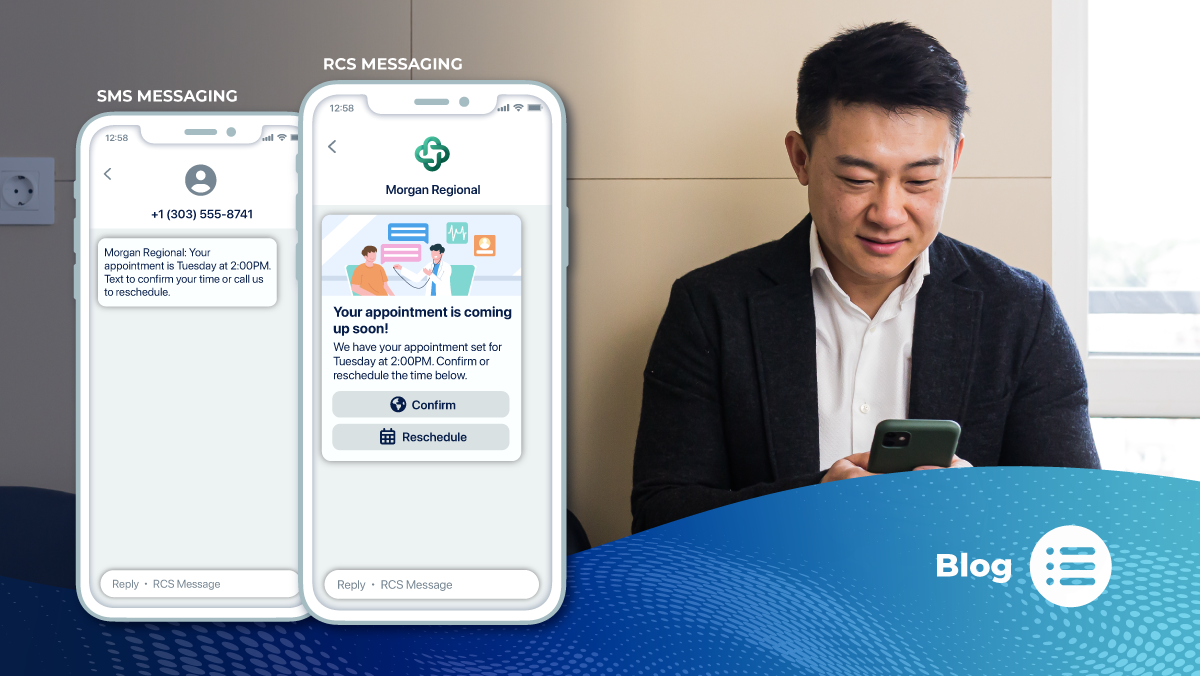
Both RCS and SMS arrive in the recipient’s native messaging application, but they differ in what they can carry. SMS is limited to 160 characters of text and relies on MMS capabilities to support pictures and video. ENRICH delivers rich, interactive experiences typically reserved for third-party messaging applications. These include high-resolution images, media attachments, and carousels.
The larger difference is trust. Unlike traditional SMS, RCS helps businesses create more trusted and engaging customer interactions, because the sender is vetted and branded rather than anonymous.
Why is ENRICH the right fit for healthcare?
Healthcare messaging has a problem that most industries do not share. A missed or delayed response can affect a patient’s care, and the people reading the message are often managing stress, billing questions, or a health concern. ENRICH addresses the trust gap in four ways:
- A vetted, branded sender. Patients see the name of their provider before they open the message. That recognition answers the first question every patient asks, which is whether the text is real.
- Context inside the message. Rich cards can show the provider’s name, appointment date, location, and purpose together, so the patient does not have to guess what a link leads to.
- Actions that match patient expectations. Suggested replies and action buttons let patients confirm, reschedule, or ask a question in one tap. A reminder can ask “Confirm” or “Reschedule” instead of sending a bare link.
- Less front-desk burden. When patients recognize and trust the message, fewer of them call the office to ask whether a text is legitimate. That gives administrative staff time back from the 5 to 10% the Tebra survey describes.
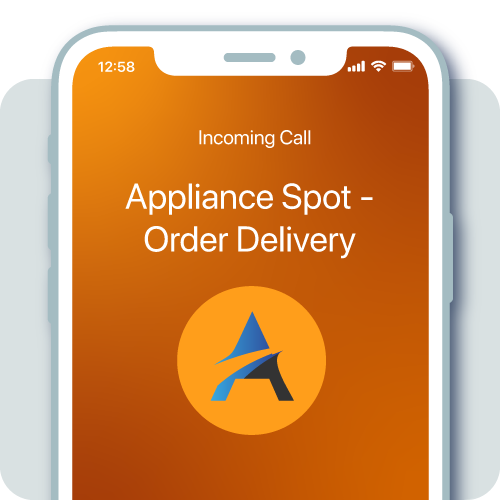
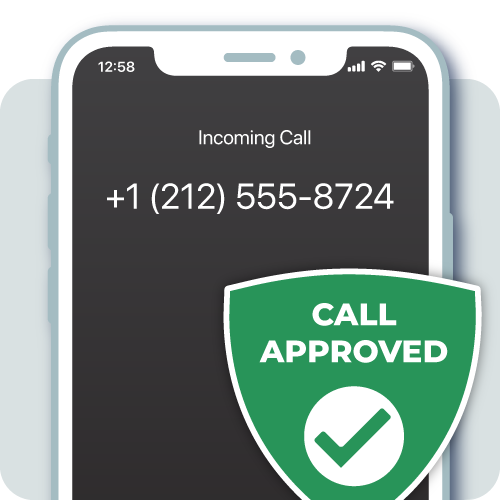
Healthcare teams also gain operational advantages. ENRICH lets organizations manage branded calling and branded messaging with one provider, so a patient who sees a verified name on a call sees the same identity in a text. Portal access, along with API and platform integration, connects ENRICH to existing workflows, so teams can add branded messaging without rebuilding how they communicate with patients.
What should healthcare teams do next?
Start with the messages where a missed response costs the most: appointment reminders, billing notices, and care coordination follow-ups. Replace anonymous short codes and bare links with verified, branded messages that tell patients who are writing, why, and what to do next.
Patients are not wrong to be cautious. The goal is to give them clear reasons to trust the messages that matter. Talk to First Orion about how ENRICH Branded Messaging can help your organization close the gap between delivered and trusted.
Build patient trust with RCS messaging. Start branding your messages today.
Related resources
The RCS Waiting Game is Over. The Question Is: Are You Ready?
Understanding RCS Messaging for Customer Engagement
Why Voice and Messaging Identity Must Converge to Build Customer Trust