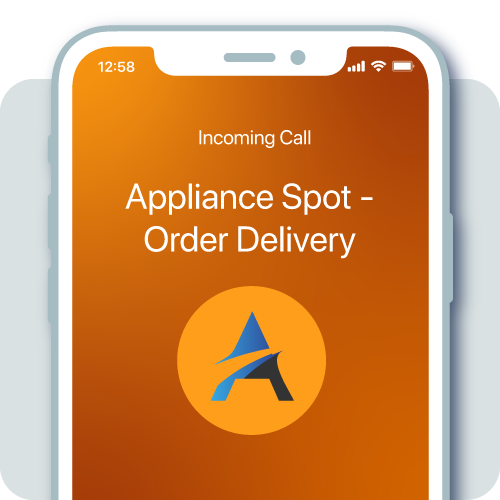


These stories always start quietly. A customer’s phone buzzes during lunch. The screen lights up with the familiar name of their bank. The phone number looks recognizable. The caller might even provide an employee name they recognize, instantly creating a false sense of urgency.
The caller sounds confident. They reference details that feel real. They claim there is a problem that requires an immediate fix before the situation worsens, emphasizing their desire to help.
Only later does the customer learn the truth: the call did not come from the bank at all. The phone number was merely a disguise. A bad actor had successfully spoofed the line.
The Attack Nobody Sees Coming
Spoofing is simple to describe and hard to stop. A bad actor makes a call and manipulates the screen, so it looks like a trusted number is calling a customer.
That one small visual cue, whether the caller’s name or the number, carries enormous weight. We are conditioned to trust it, and we make decisions in seconds. Deepfake technology makes this reality even more alarming by mimicking the voice signatures of real people.
For organizations, spoofing turns your brand into a weapon against your own customers. It triggers panicked callbacks, overwhelms support teams, and causes a loss of trust that is almost impossible to measure until it appears in churn, complaints, and headlines.
The Gap in the Frameworks
Most cybersecurity frameworks, software, and services follow a familiar map that includes endpoints, networks, email, identity, cloud, and applications. However, a phone call does not have to “break in” to do damage. It can bypass the firewall entirely because it targets the person instead of the server.
Because of this, many organizations rely on cybersecurity awareness training as their only practical defense. They teach employees and customers to be skeptical, to hang up, and to call back using a trusted number.
Training matters, but it is a fragile shield. People are busy and scammers are patient. The moment of truth happens in the wild—on a sidewalk, in a grocery aisle, or between meetings—when someone answers a call that looks legitimate.
What if Calls Had Authentication Too?
In the digital world, we have learned to ask a basic question: Is this real? Is the sender who they claim to be? Did this login come from a trusted source?
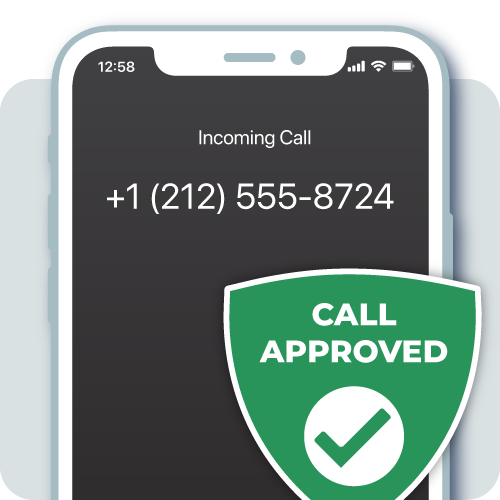
Imagine bringing that same logic to phone calls. Legitimate business calls could be identified as authentic, while calls that cannot prove their identity would no longer get a free pass.
The Plot Twist: Extending Protection Beyond the Perimeter
First Orion addresses this challenge by combining SENTRY® Call Blocking with INFORM® Branded Calling.
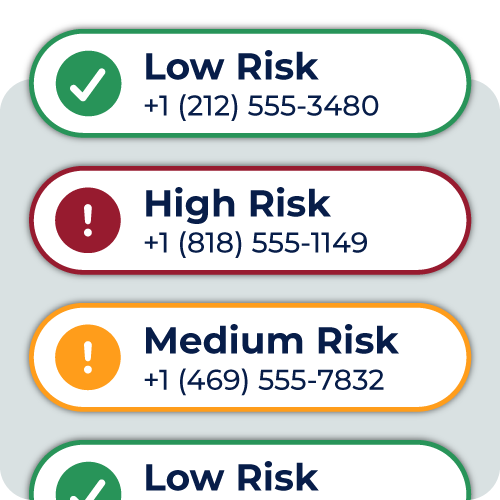
Using a foundation of call authentication, the system determines whether a business call is legitimate, and blocks calls that lack authentication. In plain terms, you give the phone network a way to treat verified calls differently from suspicious ones instead of asking every customer to become a fraud expert.
In this scenario, the call does not just show up at the door; it arrives with credentials. When your business truly calls, INFORM reinforces that trust with clear brand identification.
Why This is a Big Deal
Change the Ending
In the opening scene, the customer did what most of us would do: they trusted what they saw. That’s not a character flaw; it’s the design of the channel.
The story changes when legitimate businesses can prove their identity at the moment the phone rings and when impostors are stopped before they ever reach a real person. SENTRY and INFORM extend cybersecurity protection beyond the walls of the organization and into the world where scams actually happen. This shift from awareness-only to authentication-first is a significant step forward.
Where do you see voice fitting into your organization’s security strategy today, and what would change if we applied a zero-trust strategy to every call?
Get Started
The era of “hope as a strategy” for voice security has ended. If you’re ready to move beyond basic awareness and extend your cybersecurity perimeter to every incoming call, let’s talk. Contact us today.