

Mark Himelfarb, CTO, First Orion
TechRadar
AI-driven voice fraud demands a real-time communications trust infrastructure
For years, enterprises have invested heavily in securing email, endpoint devices, and network infrastructure. Those defenses are improving, and attackers are adapting. Increasingly, they are shifting to a channel that remains fundamentally exposed: voice.
Unlike email or messaging, voice happens in real time. There’s no chance to check a link, involve IT, or step away to think through it. Responses are immediate, and that’s exactly what makes it effective for attackers.
Now, AI is amplifying that risk.
AI is making voice fraud more convincing and more scalable
Voice cloning and deep-fake technologies are advancing rapidly. With only a short audio sample, as little as ten seconds, it is now possible to replicate a person's voice with high accuracy. Combined with caller ID spoofing, attackers can convincingly impersonate executives, colleagues, or trusted brands.
Voice-based social engineering is increasingly appearing inside enterprises, not just in consumer scams, with attacks targeting employees, partners, and even supply chains.
Voice works because it feels immediate. It’s hard to ignore. Tone and urgency come across quickly, and a caller who sounds familiar or credible can push someone to act before they stop to question it.
These incidents aren’t driven by carelessness; they reflect how people respond under pressure.
Why existing protections fall short
Industry frameworks like STIR/SHAKEN were a step in the right direction; they help detect and prevent caller ID spoofing during transmission. But these frameworks address only one part of the problem.
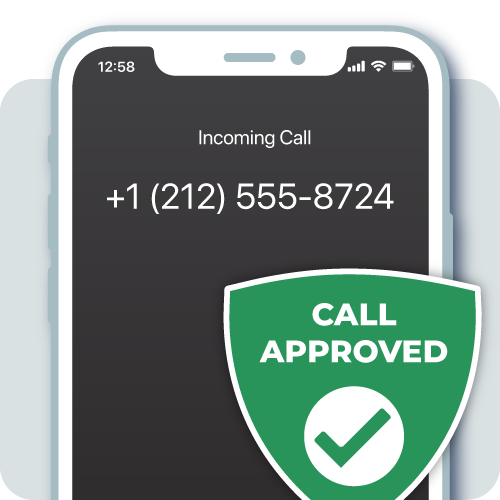
Network authentication can confirm that the call path hasn’t been tampered with. It doesn’t indicate whether the caller is legitimate, authorized to represent a given business, or ultimately trustworthy. For example, a call may pass authentication checks yet still come from a bad actor using a legitimately assigned number.
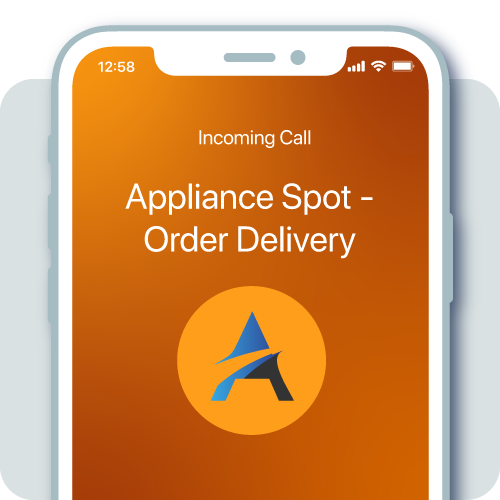
Branded calling strengthens trust by helping consumers recognize who is calling. When backed by network-level validation, it provides a more reliable way to establish trust at the moment of interaction.
About Mark Himelfarb
As First Orion’s Chief Technology Officer, Mark is responsible for ensuring that company stays on the cutting edge of the industry by bringing to life software and solutions powering company’s product line through innovation in both methodology and technology. Backed by his 20+ years of experience in leading software engineering and systems design teams in a variety of industries, such as financial technology, benefits industry and education, Mark takes his passion for language learning, both computer and human, and pours it into pioneering novel approaches for tackling problems that First Orion’s customers face.
Learn About the Solutions Behind Every Trusted Connection
From small businesses to global enterprises, First Orion helps you increase answer rates, verify identity, and build customer trust and transparency.
INFORM® Branded Calling - Show your business name, logo, and reason for call so more customers answer with confidence.
ENRICH® Branded Messaging – Deliver personalized, secure RCS messaging with verified sender identity and rich media.
AFFIRM® Reputation Monitoring - Monitor how your outbound calls appear and catch labeling discrepancies fast.
SENTRY® Call Blocking - Block bad actors from spoofing your numbers, protecting trust with your customers.
PROTECT+ Risk Detection - Detect suspicious inbound call activity in real time with intelligent risk analysis.
Related Resources:
AI voice cloning is costing brands more than they realize
Your phone number is a target. Here's how to protect it.
How small businesses can build trust is an AI-driven call environment