
Key Takeaways
- AI voice cloning has moved well beyond consumer scams. With just ten seconds of audio, attackers can convincingly impersonate executives, employees, or trusted brands.
- Brands impersonated in these attacks face erosion of consumer trust and "collateral answer-rate destruction.”
- Network authentication frameworks like STIR/SHAKEN confirm a call's signaling path, not the caller's identity or intent.
The headlines about AI voice cloning almost always focus on consumers: a grandparent wiring money after a panicked call from a "grandchild." But there's a second victim that rarely makes the headline: the brand the attacker pretended to be.
Financial institutions, utilities, healthcare systems, and government agencies are increasingly weaponized as pretexts in social engineering scripts, lending false credibility to scams that have nothing to do with the real organization. For enterprises, voice fraud is no longer purely a security problem. It's a brand trust problem that’s costing more than they realize.
The Scale of the Problem Is Now Measurable
The FBI's Internet Crime Complaint Center (IC3) tracked AI-related fraud as its own category for the first time in its 2025 Internet Crime Report1: 22,364 complaints, nearly $893 million in losses, and likely conservative since AI involvement is only flagged when a victim recognizes it. Phishing and caller spoofing already rank among the most reported cybercrime categories globally, and AI makes each attempt more convincing and easier to scale.
Why a Ten-Second Clip Is All It Takes
Voice cloning tools can now replicate a person's voice with high accuracy from a sample as short as ten seconds, pulled from a social media post or a recorded customer service call. Paired with caller ID spoofing, attackers can convincingly impersonate executives, colleagues, or brand representatives in a single call, and the same techniques increasingly target employees and supply chains, not just consumers.
Voice is effective for this because it happens in real time, with no pause to check a link or loop in IT. These incidents aren't a matter of carelessness, but a natural response to pressure.
The Hidden Cost: Brand Erosion and Collateral Answer-Rate Destruction
The financial loss to a scam victim is only the first cost. For the impersonated brand, the damage compounds over time:
- Brand erosion. Even when an enterprise's own systems were never touched, consumers connect the scam's harm to the brand the attacker claimed to represent.
- Collateral answer-rate destruction. Wary consumers stop answering calls altogether, so real fraud alerts and appointment reminders see their answer rates fall too.
- Increased regulatory scrutiny. Regulators are pressuring enterprises to authenticate caller intent before calls reach the public switched telephone network.
Why Network Authentication Alone Isn't Enough
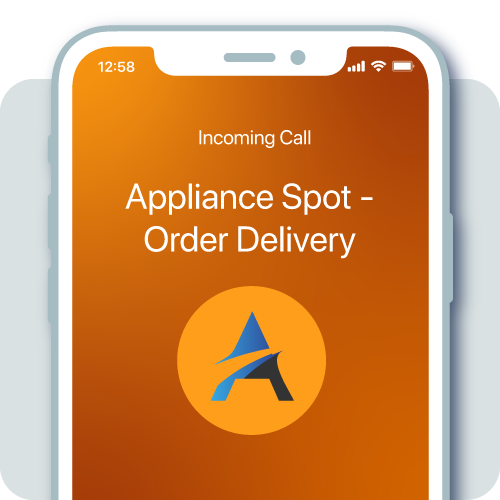
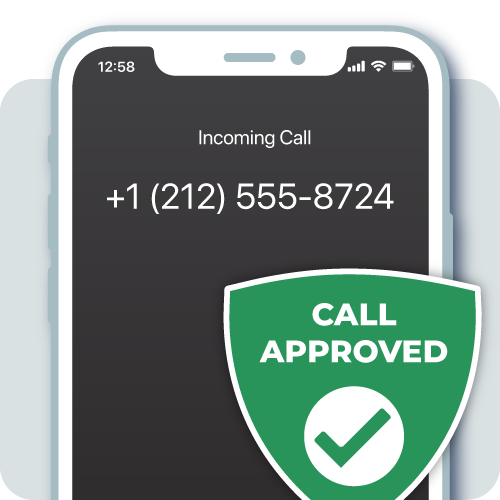
STIR/SHAKEN confirms a call's signaling path hasn't been tampered with in transit, but it can't confirm whether the caller is legitimate or trustworthy in intent. A call can pass STIR/SHAKEN cleanly and still come from a fraudster using a legitimately assigned number, paired with a cloned voice. Branded calling helps close that gap, giving consumers a reliable way to recognize who's calling, backed by network-level validation rather than caller-supplied information alone.
What Real-Time Trust Requires
Closing the trust gap means moving past static, one-time validation toward continuous, real-time intelligence. Himelfarb points to three areas already underway:
- Advanced vetting at scale. AI continuously checks whether a number is used legitimately and a business is authorized to place its calls, combined with signals from email and rich messaging.
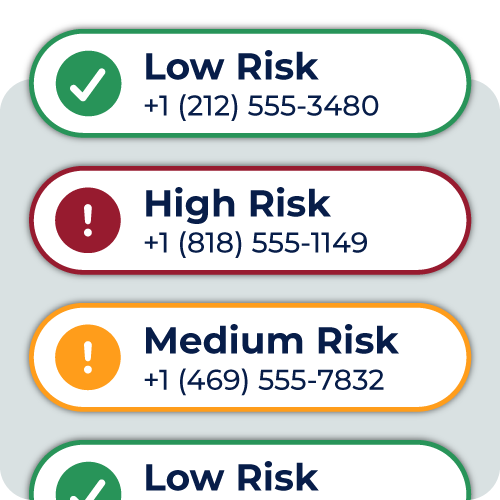
- Real-time risk assessment. AI evaluates dialing frequency, timing, and anomalies against an established baseline, flagging risks before causing damage.
- Caller authentication during the call. AI challenges callers to confirm information only a legitimate representative would have, and verifies they're human, not a synthetic voice.
Three Priorities for Enterprises Right Now
Even a fully authenticated call can be ignored if it doesn't match what the recipient expects in terms of timing, relevance, and consent. Building trust in voice is both a technical and behavioral challenge. Writing for TechRadar, Mark Himelfarb, CTO at First Orion, outlines three priorities for enterprises looking to get ahead of it:
- Secure the channel end-to-end. Protect outbound and inbound communications alike, validating identity, authorization, and intent, not just caller ID.
- Embed AI into communication workflows, not bolt it on. Use it to vet, route, and manage customer interactions, and to decide when and how often to reach out.
- Move beyond defense to enable growth. AI can scale legitimate engagement and automate support, while making it harder for bad actors to exploit your brand.
Where Communications Trust Is Headed
Voice and messaging are shifting toward a model where identity, context, and trust signals are built directly into every interaction. For telecom providers, it’s a chance to differentiate on trust. For enterprises, it redefines how engagement is measured and protected. The organizations that win will build real-time trust capabilities faster than bad actors can adapt.
Learn About the Solutions Behind Every Trusted Connection
From small businesses to global enterprises, First Orion helps you increase answer rates, verify identity, and build customer trust and transparency.
INFORM® Branded Calling - Show your business name, logo, and reason for call so more customers answer with confidence.
ENRICH® Branded Messaging – Deliver personalized, secure RCS messaging with verified sender identity and rich media.
AFFIRM® Reputation Monitoring - Monitor how your outbound calls appear and catch labeling discrepancies fast.
SENTRY® Call Blocking - Block bad actors from spoofing your numbers, protecting trust with your customers.
PROTECT+ Risk Detection - Detect suspicious inbound call activity in real time with intelligent risk analysis.
Related Resources:
Voice is the Next Cybersecurity Battleground, and AI is Accelerating the Risk
How to Balance Automation and Human Connection in Customer Service
Call Authentication 101: Why Businesses Can’t Afford to Ignore Call Authentication
Call Authentication Provides Protection that STIR/SHAKEN Cannot Match
Sources: