Key Takeaways
- SMS sender authentication through 10DLC registration and RCS verification establishes your business identity and helps messages reach customers.
- Verified sender identity displays your business name and logo in the native messaging app, distinguishing legitimate messages from potential scams.
- First Orion's ENRICH® Branded Messaging delivers verified, two-way RCS conversations with rich media across all major U.S. carriers.
- Anti-phishing messaging practices protect both your brand reputation and your customers from smishing attacks that cost consumers $470 million in 2024.
- Compliant delivery requires proper consent management, opt-in documentation, and adherence to TCPA, CTIA, and carrier-specific requirements.
Why Verified Business Text Messaging Matters in 2026
Consumers receive dozens of text messages daily. Many of those messages come from unknown senders, triggering suspicion rather than engagement. Business text messaging without verification looks identical to phishing attempts that have trained recipients to ignore unfamiliar numbers.
The FTC reported that U.S. consumers lost $470 million to text-message scams in 2024, more than five times the 2020 level. Package delivery impersonation, fake fraud alerts, and bogus toll notices ranked among the most reported text scams. This environment has created a trust deficit that affects legitimate business communications.
Verified messaging addresses this gap by authenticating your sender identity before messages reach recipients. When your business name, logo, and verification badge appear in the native messaging app, customers can distinguish your outreach from suspicious texts. That recognition translates directly to higher open rates, better response rates, and stronger customer relationships.
What Is SMS Sender Authentication?
SMS sender authentication is the process of verifying that outbound text messages originate from a legitimate business. Authentication mechanisms vary by channel and carrier, but they share a common goal: confirming the sender's identity before the message reaches the recipient.
For standard SMS, authentication primarily happens through business number registration and 10DLC (10-digit long code) compliance. When you register your business and phone numbers with carriers, you establish a verified identity that influences how your messages are delivered and displayed.
RCS (Rich Communication Services) takes authentication further. RCS carriers enforce mandatory sender verification, displaying a cryptographically authenticated business name alongside a verification checkmark. This verification happens at the carrier level, giving recipients confidence that the message comes from who it claims to be.
How Does 10DLC Registration Work?
10DLC registration requires businesses to register their brand and messaging campaigns with The Campaign Registry (TCR). This registration process validates your business identity and associates your phone numbers with your verified brand.
The registration process involves several steps. First, you submit your business information including legal name, EIN, and physical address. TCR then vets this information against external databases to confirm your business exists and operates legitimately.
In October 2024, TCR introduced Authentication+, an additional security layer for publicly traded companies. This feature requires a brand representative to complete two-factor authentication via email, adding another verification checkpoint that helps prevent brand impersonation.
Once registered, your campaigns receive a trust score that influences message throughput and deliverability. Higher trust scores result in better message delivery rates. Unregistered or improperly registered numbers face throttling, filtering, or outright blocking by carriers.
How Does RCS Verification Differs from SMS?
RCS verification goes beyond number registration. When you launch an RCS agent through platforms like First Orion’s ENRICH Branded Messaging, you complete a brand verification process that confirms your right to represent the business.
Brand verification requires providing contact information for an authorized representative who can confirm your identity and messaging authority. Google, carriers, or both may contact this representative during the approval process. Once verified, your RCS agent displays a verification checkmark that appears alongside your business name in the messaging app.
This verification is cryptographically tied to your RCS agent. Scammers cannot replicate or spoof a verified RCS sender identity the way they can spoof a standard phone number. The verification badge provides visual proof that the message comes from an authenticated source.
Understanding Smishing and Why It Threatens Business Messaging
Smishing (SMS phishing) represents one of the most persistent threats to business text messaging. Attackers send fraudulent messages that impersonate legitimate brands, attempting to steal credentials, payment information, or personal data.
According to Zimperium's 2025 mobile telemetry, SMS accounted for 69.3% of observed mobile phishing vectors. This dominance reflects the trust users place in text messages compared to email. Recipients are more likely to click links in texts, making SMS an attractive channel for attackers.
The FBI received over 2,000 complaints about toll-road smishing texts within a short window in 2024. These messages impersonated state toll authorities, demanding immediate payment through fraudulent links. Similar campaigns target banking customers, delivery recipients, and government service users.
How Does Smishing Damage Business Reputation?
When scammers impersonate your brand, customers who fall victim associate that negative experience with your business. Even customers who recognize the fraud may question whether future legitimate messages are safe to open.
Brand impersonation also triggers defensive responses from carriers. If scammers frequently spoof your business name or phone numbers, carriers may apply stricter filtering to messages associated with your brand. This filtering can affect your legitimate outreach, reducing deliverability even for properly authenticated messages.
The reputational damage extends beyond individual incidents. A pattern of brand impersonation erodes the trust you've built with customers over time. Rebuilding that trust requires consistent verification, transparent communication, and demonstrable security practices.
What Does Verified Messaging Display?
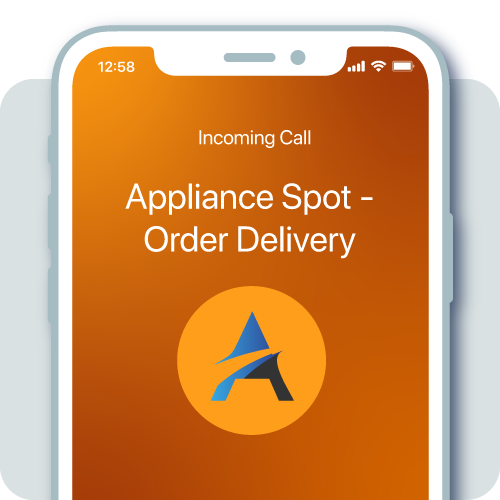
Verified RCS messages display several trust indicators directly in the messaging interface. Your business name appears prominently, replacing the phone number as the primary identifier. A verification badge or checkmark confirms that carriers have authenticated your sender identity.
Rich media capabilities allow you to include your logo, branded images, and interactive elements like carousels and suggested replies. These visual elements reinforce brand recognition while making messages more engaging and actionable.
First Orion's ENRICH Branded Messaging delivers these verified experiences across all major U.S. carriers. Messages arrive in the recipient's native messaging app with full branding intact. No separate app download is required, and the experience works on both Android and iOS devices.
How Does Verification Affect Response Rates?
Verification directly impacts how recipients respond to your messages. When customers can confirm a message comes from your business, they engage more readily. Unknown senders trigger skepticism that reduces opens, clicks, and replies.
The difference is particularly pronounced for time-sensitive communications. Appointment reminders, delivery notifications, and fraud alerts all require immediate attention. If recipients cannot verify the sender, they may ignore critical information or delay response while seeking confirmation through other channels.
RCS messaging also enables two-way conversations that create ongoing engagement. Customers can reply directly within the messaging thread, ask questions, and complete transactions without leaving the app. This conversational capability transforms one-way broadcasts into interactive customer experiences.
Anti-Phishing Messaging Best Practices for Enterprises
Protecting customers from phishing requires proactive security measures combined with clear communication practices. Enterprises must secure their messaging infrastructure while educating customers about how to identify legitimate messages.
Secure Your Sender Identity
Complete all required registration and verification processes before launching messaging campaigns. Register your business with TCR for 10DLC compliance. Complete brand verification for RCS messaging. Ensure your phone numbers are properly associated with your verified business identity.
Use consistent sender identities across all campaigns. Switching between multiple unverified numbers confuses customers and makes impersonation easier for attackers. Consolidate your messaging through verified channels that display your brand consistently.
Establish Clear Communication Patterns
Train customers to recognize your legitimate messages by using consistent formatting, language, and call-to-action patterns. Avoid sudden changes in tone or approach that might trigger suspicion.
Never request sensitive information through text messages. Make it clear to customers that you will never ask for passwords, full account numbers, or social security numbers via SMS or RCS. If verification is required, direct customers to your official website or app rather than including verification links in messages.
Include clear identification in every message. State your business name at the beginning of messages, even when using verified channels. This redundant identification reinforces legitimacy and creates a recognizable pattern customers learn to trust.
Implement Technical Safeguards
Use secure API integrations for all messaging operations. First Orion's ENRICH platform authenticates sender identity and confirms RCS capability before delivering messages. This authentication happens automatically, ensuring every message you send meets verification requirements.
Implement rate limiting and anomaly detection to identify compromised accounts or unauthorized message sending. Sudden spikes in message volume or unusual sending patterns may indicate that bad actors have gained access to your messaging systems.
Maintain detailed audit logs of all messaging activity. These logs support incident response if your messaging infrastructure is compromised. They also demonstrate compliance with regulatory requirements for data protection and communication records.
How to Authenticate Your Business Messages Step by Step
Implementing verified business text messaging requires completing several authentication processes. The specific steps depend on your messaging channels and carrier requirements.
Step 1: Register Your Business Identity
Begin with free business number registration through First Orion's Customer Portal. This registration establishes your business identity across carrier networks and influences how your calls and messages are displayed.
During registration, you'll provide your legal business name, EIN or TIN, physical address, and contact information. First Orion verifies this information and shares it with carriers to establish your authenticated identity.
For 10DLC messaging, you'll also need to register through The Campaign Registry. Your CSP (Communications Service Provider) typically handles this registration on your behalf. Ensure you have all required business documentation ready before starting the registration process.
Step 2: Complete Brand Verification for RCS
RCS verification requires additional steps beyond basic registration. You'll need to provide contact information for an authorized brand representative who can confirm your identity and right to manage messaging on behalf of your business.
Prepare supporting documentation such as authorization letters that confirm your messaging authority. These documents can streamline the approval process. Upload them through your RCS provider's verification portal before submitting your launch request.
Verification typically happens after you submit a launch request. Google, carriers, or both may contact your brand representative to confirm your identity. Ensure your representative is available and prepared to respond during the verification window.
Step 3: Configure Verified Messaging
Once verified, configure your messaging campaigns through your API integration or support applications. With ENRICH, you'll set up your business profile including name, logo, and description that appear in verified messages.
Configure message templates that maintain consistent branding across all communications. Set up webhook endpoints to receive customer responses for two-way conversational messaging. Test your configuration thoroughly before launching production campaigns.
Establish fallback handling for recipients whose devices don't support RCS. ENRICH automatically detects device capability and can fall back to SMS when RCS is unavailable. Configure your fallback messages to maintain as much brand consistency as possible within SMS limitations.
Step 4: Launch and Monitor
Begin with limited pilot campaigns to validate your configuration and measure performance. Track key metrics including delivery rates, open rates, and response rates. Compare performance between verified RCS messages and traditional SMS to quantify the verification benefit.
Monitor your sender reputation continuously. Manage opt-ins and outs across communication channels. Address issues immediately to prevent them from affecting broader campaign performance.
Scale gradually based on performance data. Increase message volume as you confirm delivery rates and customer engagement meet expectations. Maintain compliance with throughput limits based on your registration trust score.
In Conclusion: Building Trust Through Verified Business Messaging
Verified business text messaging protects your brand, your customers, and your communication effectiveness. In an environment where smishing attacks have trained consumers to distrust unknown senders, verification provides the authentication that restores confidence.
First Orion’s ENRICH Branded Messaging leverages RCS to transform the native text app into a secure, interactive, and visually branded storefront. By providing verified sender identities and rich media capabilities, ENRICH delivers a trusted brand experience.
FAQs about Verified Business Text Messaging
What is verified business text messaging?
Verified business text messaging authenticates your sender identity before messages reach recipients. Through 10DLC registration and RCS verification, carriers confirm your business is legitimate. Recipients see your business name, logo, and verification badge instead of an unknown number. First Orion's ENRICH platform delivers these verified experiences across all major U.S. carriers.
How does SMS sender authentication prevent phishing?
SMS sender authentication ties your messages to your verified business identity. Scammers cannot replicate this authentication because it requires completing registration and verification processes that confirm your legitimate business status. When recipients see your verified identity, they can distinguish your messages from potential phishing attempts.
What is the difference between SMS and RCS verification?
SMS verification through 10DLC registers your business and phone numbers with carriers to improve deliverability. RCS verification goes further by cryptographically authenticating your sender identity and displaying verification badges directly in the messaging interface. First Orion's ENRICH uses RCS verification to display your brand name, logo, and authenticated status in every message.
Do recipients need a special app to receive verified messages?
No. Verified RCS messages arrive in the recipient's native messaging app. Both Android and iOS devices support RCS messaging. First Orion's ENRICH detects device capability and delivers verified messages automatically. No app download is required for recipients to see your verified brand identity and rich media content.
Learn About the Solutions Behind Every Trusted Connection
From small businesses to global enterprises, First Orion helps you increase answer rates, verify identity, and build customer trust and transparency.
- INFORM® Branded Calling - Show your business name, logo, and reason for call so more customers answer with confidence.
- ENRICH® Branded Messaging – Deliver personalized, secure RCS messaging with verified sender identity and rich media.
- AFFIRM® Reputation Monitoring - Monitor how your outbound calls appear and catch labeling discrepancies fast.
- SENTRY® Call Blocking - Block bad actors from spoofing your numbers, protecting trust with your customers.
- PROTECT+ Risk Detection - Detect suspicious inbound call activity in real time with intelligent risk analysis.
Related Resources
ENRICH Best Practices: How to Get the Most Out of Every Branded Message
Why Encrypted RCS is Accelerating Business Messaging and What Brands Should Know
Why Voice and Messaging Identity Must Converge to Build Customer Trust