Key takeaways:
- SMS reaches every mobile phone on every network, with no app or data connection. prior to businesses being able to send messages. RCS requires a data or Wi-Fi connection , but delivers verified sender branding, read receipts, and in-message interactivity that SMS cannot match.
- RCS click-through rates run three to seven times higher than SMS, but that engagement only matters if the message reaches the customer's device in the first place.
- Platforms like First Orion's ENRICH® Branded Messaging handle SMS fallback automatically per message, so contact centers get RCS interactivity where it's supported without building separate routing logic.
RCS vs SMS for Service Messages in 2026
Customer experience and contact center leaders don't need another explainer on what Rich Communications Services (RCS) is. They need to know which channel to route support confirmations, delivery updates, fraud alerts, and appointment reminders through, and why. This guide breaks the decision down by the four factors that matter for service messaging: reach, trust, interactivity, and operational fit.
What's the actual difference between RCS and SMS?
SMS runs over the carrier's voice network and works on any mobile phone, regardless of device age or connectivity. RCS runs over data or Wi-Fi and enables upgrades the native messaging app with read receipts, typing indicators, high-resolution media, and branded sender profiles.
For service messaging specifically, that distinction has practical consequences. SMS delivers a plain-text notification that any mobile device can receive. RCS delivers a branded, interactive card that a customer can act on directly inside the message thread, but only if their device, carrier, and connection all support it.
Which channel reaches more customers?
Business texting via SMS holds close to a 98% open rate, well above email's roughly 20%. That’s why SMS remains the default channel for time-sensitive service notifications like OTPs, delivery windows, and appointment reminders.
RCS reach has closed the gap quickly, though it isn't universal yet. RCS now counts roughly 2.5 billion monthly active users globally, and Apple's adoption of the protocol in iOS 18 pushed it from a promising technology into mainstream infrastructure.
Device coverage for RCS has reportedly reached 96%, but a recent industry survey found 59% of businesses are still planning their RCS deployment rather than running one. In other words, most of the audience can technically receive RCS, but most enterprises haven't turned it on yet.
For service messages, RCS with SMS fallback is the right approach. When a device supports RCS, recipients get a richer, branded message. When it does not, the message falls back to SMS, so it still reaches the recipient. You do not have to choose between a better experience and reliable delivery. RCS with SMS fallback gives you both.
How does trust compare between the two channels?
Trust is where RCS pulls ahead for service use cases. Sender spoofing is a prolific issue in the SMS ecosystem, which is part of why smishing remains a persistent problem for banks, delivery services, and healthcare providers. RCS for business requires brand verification through multiple trusted industry partners, so customers see a confirmed business name, logo, and verification badge on every message. That verified identity, read receipts, and two-way interaction matter most when delivery confirmation, engagement, or brand visibility outweigh simple notification delivery.
What can RCS do that SMS can't for support interactions?
RCS greatly simplifies the conversational experience over SMS by way of easy interactive buttons, carousels, forms, and chatbot flows directly inside the thread, so a customer can confirm a delivery, reschedule an appointment, or resolve a billing question without leaving the conversation.
The engagement data backs this up. Early adopters report click-through rates three to seven times higher than equivalent SMS campaigns, and RCS open rates land between 80% and 95%, with read receipts giving businesses actual visibility into whether a message was seen, not just delivered. For a contact center trying to reduce inbound call volume, that kind of self-service interactivity inside a message thread can meaningfully cut down on repeat contacts.
The interactivity only helps if the message actually lands, though. Platforms built for RCS, including First Orion's ENRICH, detect whether a recipient's device supports RCS and automatically fall back to SMS when it doesn't. That routing happens per message, not per campaign, so a contact center doesn't have to choose between rich engagement and guaranteed delivery. The message reaches the customer either way, with RCS handling the interaction when the device supports it.
Should enterprise service teams choose RCS or SMS in 2026?
RCS should be the default business messaging strategy for service teams.
First Orion's ENRICH Branded Messaging delivers verified RCS with automatic SMS fallback across all major US carriers, so contact center teams get the interactivity when it's available and reliable delivery when it isn't.
ENRICH Frequently Asked Questions
How is ENRICH different from traditional SMS or MMS?
While both RCS and SMS are delivered in the recipient's native messaging application, SMS is limited to 160 characters of text and relies on MMS capabilities to support picture and video. ENRICH delivers rich, interactive experiences typically reserved for third-party messaging applications and enables rich media content like high-resolution images, media attachments, and carousels.
Can I use ENRICH for two-way conversations with customers?
ENRICH provisions two-way conversational application-to-person (A2P) messaging through the RCS channel. This allows the business to send branded messages via First Orion's API and receive customer replies via First Orion's webhook.
What devices or carriers support RCS and ENRICH?
ENRICH reaches all Android and iOS devices (iOS version 18.1 and above) across all major US carriers.
What happens if a recipient's phone does not support RCS?
RCS platforms can automatically fall back to SMS when the recipient's device lacks RCS support. This ensures your message reaches the customer regardless of device capabilities. First Orion handles this fallback routing automatically through the ENRICH platform.
What reporting is available with ENRICH? ENRICH Branded Messaging provides delivery and open rates and customer response rates for messages sent to RCS-capable devices.
Learn About the Solutions Behind Every Trusted Connection
From small businesses to global enterprises, First Orion helps you increase answer rates, verify identity, and build customer trust and transparency.
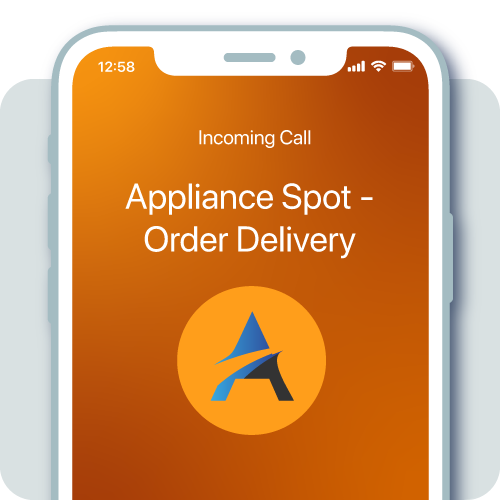
INFORM® Branded Calling - Show your business name, logo, and reason for call so more customers answer with confidence.
AFFIRM® Reputation Monitoring - Monitor how your outbound calls appear and catch labeling discrepancies fast.
SENTRY® Call Blocking - Block bad actors from spoofing your numbers, protecting trust with your customers.
PROTECT+ Risk Detection - Detect suspicious inbound call activity in real time with intelligent risk analysis.
Related Resources
RCS vs. Push Notifications: Guide to Choosing the Right Channel for Critical Alerts
ENRICH Best Practices: How to Get the Most Out of Every Branded Message
Trust You Can See: The New Standard for Trusted Business Communications
A2P Messaging vs. Traditional SMS: How ENRICH Branded Messaging Delivers Rich Experiences
Why Encrypted RCS is Accelerating Business Messaging and What Brands Should Know