Key takeaways
- Customers recognize a brand in a store, on a website, and in an app, but that consistency breaks when the business calls or texts its customers.
- Customers move between messaging and voice without thinking about channels, so identity needs to follow them across both.
- An RCS message can include a suggested action that initiates an authenticated call, helping maintain trust from one touchpoint to the next.
- Authentication prevents branded communications from being easily imitated.
- Businesses can often enable branded identity and call authentication inside platforms they already use, such as Microsoft Teams, Zoom, and HubSpot.
A customer walks into a store, opens an app, or visits a website, and the brand is unmistakable. Logos, colors, and design reinforce that the experience is legitimate. Then the same business sends a text or places a call, and the customer sees an unfamiliar number or an anonymous sender ID. First Orion CEO Scott Hambuchen describes this gap in his Forbes Technology Council article.
This article covers why trust breaks down across channels and how businesses can carry it from a message to a call.
Why can trust break when a business switches communication channels?
Today’s customer experience is highly visual and intentionally designed, yet it still contains a major blind spot, Scott explains. When consumers walk into a retail location, visit a company's website or open a mobile app to interact, they immediately recognize the brand. Logos, colors, and digital experiences reinforce legitimacy throughout these interactions. That consistency, however, often breaks down the moment a business reaches out by phone or text.
Instead of seeing a recognizable brand, consumers are usually presented with an unfamiliar phone number or an anonymous sender ID. At a time when fraud continues to rise, the lack of a visible identity creates immediate hesitation. Voice and messaging have traditionally been viewed as separate channels, but customers no longer experience them that way, and bad actors are increasingly exploiting the disconnect.
Why do customers treat voice and messaging as one experience?
Customers choose a communications channel based on convenience and importance, not on how a business organizes its tools. Someone might read a message, tap a link, then want to talk to a person. To them, that is one conversation.
Businesses still tend to manage voice and messaging separately. Bad actors take advantage of that disconnect, and customers hesitate when an unfamiliar contact reaches out.
How does an RCS message lead to a trusted call?
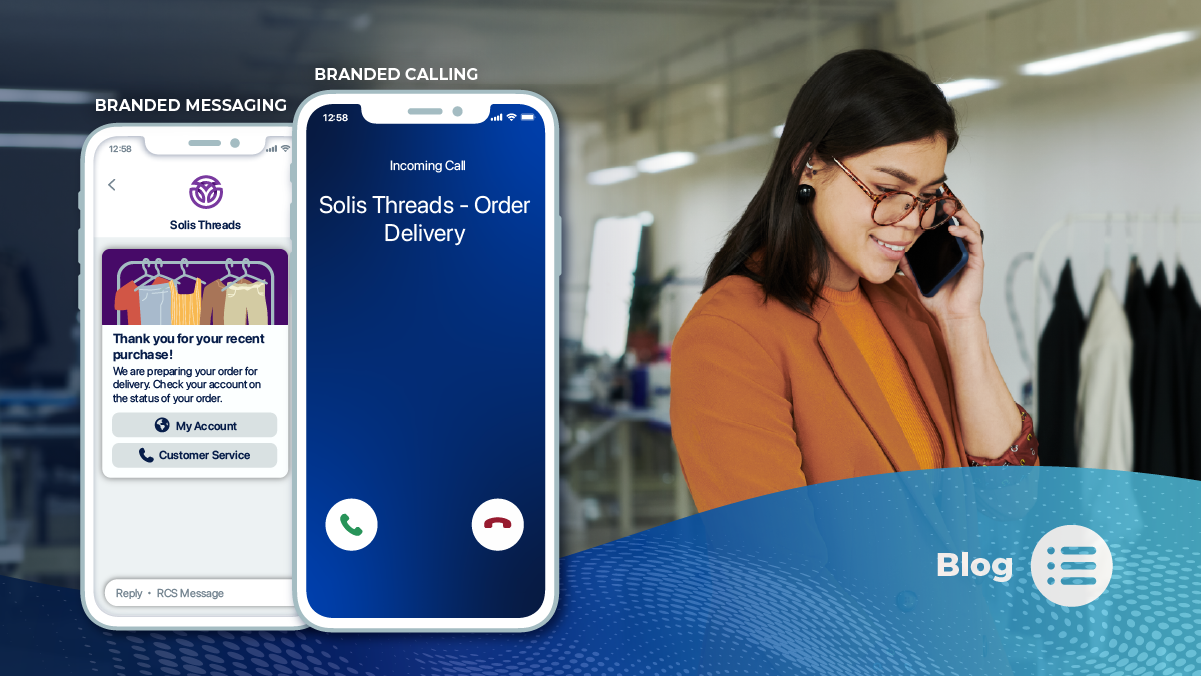
An RCS message can initiate an authenticated call directly within the message. Rich Communication Services (RCS) gives enterprises a way to build branded messaging that looks consistent with modern digital experiences.
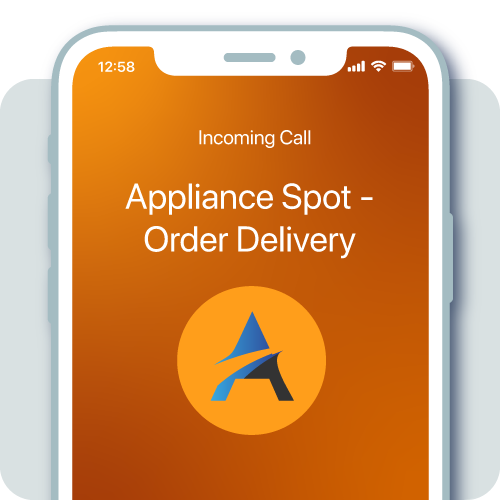
Scott offers a simple example. A consumer receives a branded RCS message from a retailer about an order update. A suggested action in the message allows the customer to start an authenticated call with the retailer. The customer recognized the brand in the message and saw the same brand on the call.
The larger opportunity is a recognizable business identity that follows the customer across messaging and voice. Trust carries through the experience rather than restarting at each touchpoint.
Why does authentication matter for branded communications?
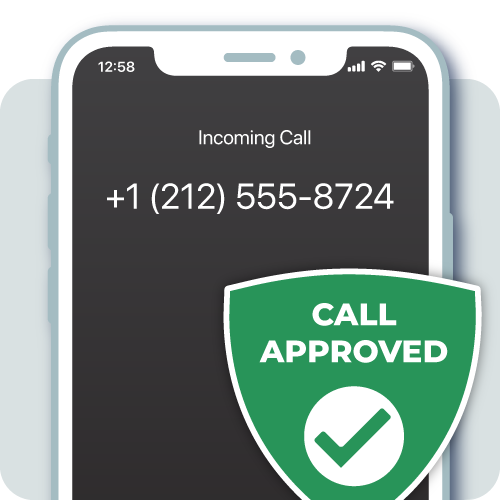
Authentication keeps branded communications from being copied. Without it, a logo and a business name are easier for a bad actor to imitate.
Call authentication is becoming a baseline requirement for the same reason a credible website became one. Businesses once gained an advantage just by having a site, and now customers expect it. Companies that keep relying on "unknown" calls may struggle to hold customer confidence as people grow used to authenticated, branded interactions.
What does broken trust cost a business?
Broken trust shows up in operational numbers. When customers stop trusting legitimate calls and messages, businesses see:
- More inbound support volume
- Repeated outreach attempts
- Lower response rates
- Slower issue resolution
The impact varies by industry. A bank needs customers to respond quickly to a fraud alert. A healthcare provider needs patients to engage with prescription and appointment reminders. A delivery company needs customers to recognize a call as legitimate and answer.
Can businesses combine RCS messaging and branded calling?
Yes. First Orion is an omni-channel provider of branded identity across messaging and voice. Businesses can manage calls and messages from one provider across all three major U.S. carriers.
How hard is it to carry identity across communication channels?
It often takes less integration work than teams expect. Scott notes that enterprises can enable RCS messaging through HubSpot. Organizations that rely on Microsoft Teams or Zoom for branded calling can add call authentication and branded identity by enabling an existing service or updating back-end settings. Teams of any size can improve communication security without changing how they work.
What should communications leaders do next?
Treat phone numbers and messaging channels as strategic business assets, not simple utilities. Whether customers answer, respond, or engage depends on whether they recognize and trust the contact.
Scott recommends that executives evaluate communications infrastructure with the same scrutiny they apply to email security, network protection, and digital identity. A practical first step is to review where your brand appears as an unknown number or anonymous sender, then ask whether a verified identity could close that gap.
As voice and messaging continue to converge, a recognizable brand identity matters as much as the message itself.
To see how it works, explore INFORM® Branded Calling and ENRICH® Branded Messaging.
Related Resources:
What is RCS in Business Messaging in 2026
How First Orion's Call Authentication Works
Why STIR/SHAKEN Cannot Stop AI Voice Fraud and How Call Authentication Can