Key takeaways
- 78% of Irish adults receive scam communications at least monthly, and 45% report more scam activity than a year earlier.
- An unfamiliar number is the top reason people distrust mobile calls (48%), ahead of an unexpected call (35%).
- Of those who get suspicious calls, 55% ignore them and 62% block the number.
- Legitimate businesses get caught in the same filter, so important calls from banks, clinics and couriers go unanswered.
- Branded calling displays a verified business name before the customer answers, and First Orion is extending it to Ireland with Vodafone, following the UK and Germany.
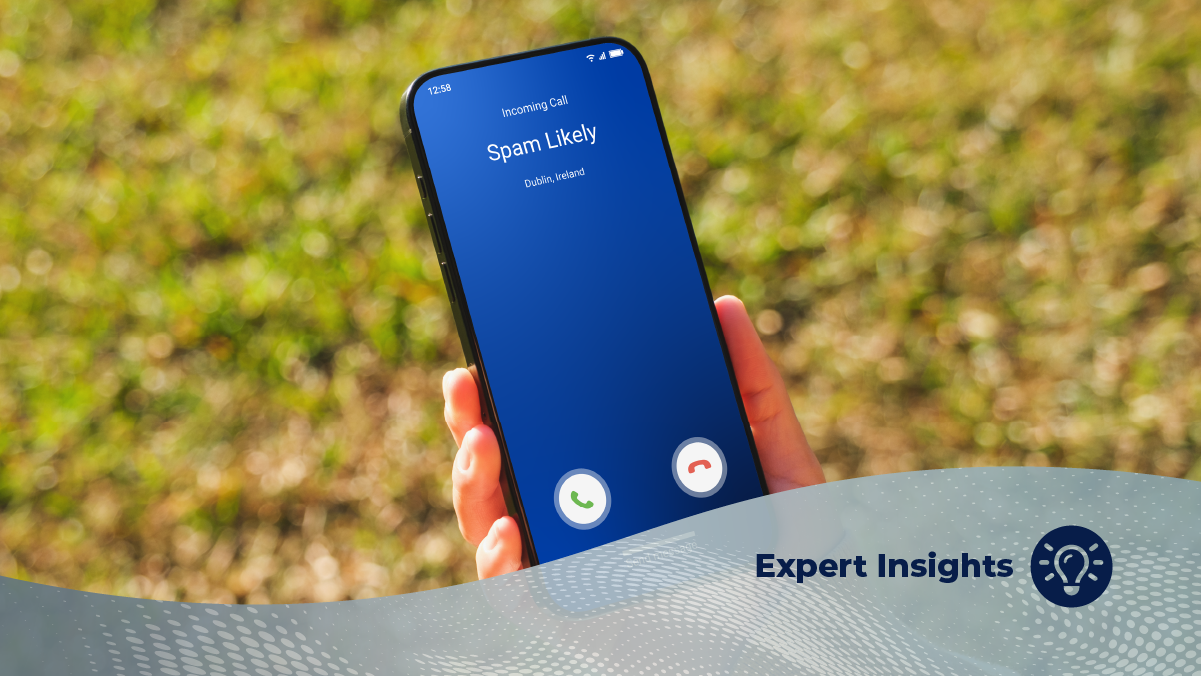
Most Irish adults receive scam communications monthly. So, when a phone rings with a number the owner does not recognize, the next move is automatic: let it ring out or block the number before a voicemail can play. After years of scam calls and texts, that instinct is reasonable. It also means the calls people want, from a bank, a clinic or a courier, meet the same suspicion, and the businesses behind those calls bear the cost.
How widespread are scam communications in Ireland?
Scam activity is a regular part of daily life for most people in Ireland. FraudSMART research found that 78% of Irish adults receive scam communications at least monthly, and 45% reported more scam activity than they saw during the same period in the previous year.
The volume is only part of the story. The way people recognize scams is changing too. One in four respondents said they felt suspicious of a call, text or email because it seemed computer-generated or artificial. As AI tools make fraudulent messages more convincing, that doubt will extend to more of what people receive.
Why do consumers ignore calls from numbers they do not recognize?
The same research shows what triggers suspicion. Among respondents, 48% viewed mobile calls as suspicious because the number was unfamiliar, and 46% did the same for texts. A further 35% treated calls as suspicious because they were not expecting them, and 39% said the same about texts.
The responses that follow are consistent. More than half of those who received suspicious calls (55%) ignored them, and 62% blocked the number. Among those who received suspicious texts, 65% deleted the message, and 55% blocked the number.
These are sensible, protective habits. Nobody should have to second-guess whether a call is safe to answer. But the signals people rely on, an unfamiliar number or an unexpected contact, apply to legitimate calls as much as fraudulent ones.
What does this mean for legitimate businesses?
When consumers treat every unknown number as a threat, the businesses they want to hear from get caught in the same filter. A bank calling about a suspicious transaction, a clinic confirming an appointment, or a courier arranging a delivery all arrive from numbers the customer may not recognize. If the customer does not answer, the business loses more than a single conversation. Appointments go unconfirmed, urgent notices go unread, and customers lose touch with the organizations they rely on.
Businesses cannot solve this by calling more often. Repeated attempts from an unrecognized number can look more like a scam, not less. The underlying issue is that the customer has no quick way to tell who is calling.
Why does identity matter on the call itself?
People decide whether to answer in the second or two they spend looking at the screen. In that moment, a number tells them very little. A verified business name tells them a great deal.
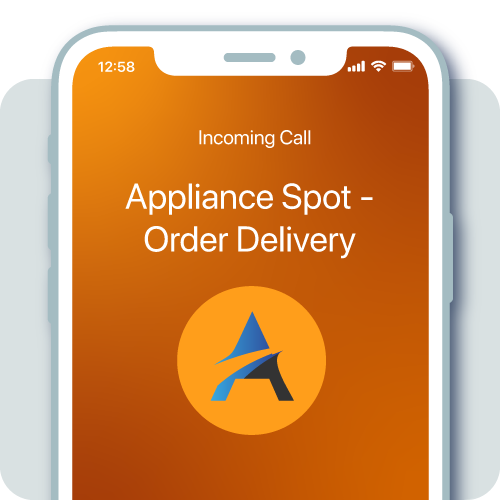
Branded calling addresses this by displaying the name of the calling business on the recipient's screen. Customers see who is calling before they decide, and they can make that decision with confidence. It supports the caution consumers have built up, because it gives them better information instead of asking them to lower their guard.
This matters beyond any one company. Trust in legitimate communications is a shared resource. Every scam call that gets answered erodes it, and every verified call that gets answered helps rebuild it.
What is changing for businesses that call customers in Ireland?
First Orion is expanding branded calling to Ireland with Vodafone, building on the launch in the United Kingdom and an earlier deployment in Germany. Together, these markets show that branded calling can extend across Vodafone networks and give enterprises a recognizable identity when they reach customers in more than one country.
That consistency matters because businesses operate across borders, and their ability to identify themselves to customers should, too. Expanding branded calling to Ireland with Vodafone brings us closer to delivering that consistency across Europe. It's an important part of our broader mission to make trusted business calling available globally.
The scale of the scam problem in Ireland will not shrink on its own, and consumers are right to stay cautious. The practical question for any business that depends on phone conversations is whether customers can tell it apart from the calls they are trying to avoid. Answering that question is how trust in legitimate business calling gets rebuilt, one recognized call at a time.
About Temim Nawaf Adwan
Temim is the Managing Director of First Orion’s EMEA region and works out of the First Orion Dubai office. Temim has operated in an executive role for more than 15 years, brokering deals in several sectors—energy, scrap metal trading, refined products—and has been involved in multiple merger & acquisition activities. His representation of companies in the Middle East and Africa has played a direct role in achieving success for their operations. Temim holds a BA in business administration from London Metropolitan University and an MBA from Ecole Superieure de Gestion in Paris.
Related resources
Expanding Secure Branded Communications Beyond the U.S.: Our Next Chapter in Europe
What Is the ROI Of Branded Calling and How Much Can It Lift Answer Rates?
Protecting Brand Trust in the Age of Scams
What Is Branded Calling? How It Works, Why It Matters, and How to Get Started