

Key takeaways
- A spam or scam label can end the conversation before an agent says hello, costing the business a connection it never knew it lost.
- Even businesses with clean, compliant calling practices can get flagged, especially during high-volume campaigns or when using new numbers.
- AFFIRM® Reputation Monitoring monitors call labeling across all major U.S. carriers and alerts businesses to spam or scam tags in real time, instead of relying on customer complaints.
- Pacific Debt Relief cut spam tags to zero across carriers and saved about $3,940 per month after adopting AFFIRM, while also seeing a 20-30% lift in daily business.
- Call reputation works best as an operational metric with an owner and a review cadence, tied to outcomes like answer rates and enrollments, rather than just a fix for when revenue drops.
Why Is Reputation Management Essential for Businesses That Rely on Outbound Calls?
Reputation management is essential for businesses because it protects the conditions that make customer communication work: recognition, trust, and the opportunity to be heard. When a legitimate outbound call appears as spam or scam, the business can lose the conversation before an agent says hello.
For businesses that rely on voice communications, reputation management belongs in the operating model, not only in a crisis plan. The question is no longer whether a number has a reputation. The question is whether your team can see that reputation, understand what is influencing it, and act before missed connections become a performance problem.
How Does Call Reputation Affect Customer Trust and Business Performance?
Reputation changes behavior. A recognizable business identity gives the recipient context; a spam or scam label introduces friction before the conversation starts.
Brand reputation is usually discussed through reviews, search results, press coverage, and social conversation. Voice operations add another layer: the way a business number is displayed on a mobile device. That presentation becomes part of the customer experience, even though the business may not control the screen directly.
For sales teams, a negative label can reduce the chance of a first conversation. For service teams, it can delay a necessary interaction. For healthcare, finance, collections, and other high-stakes operations, an unanswered call can create additional work, slower resolution, and weaker customer trust.
Reputation management gives the business a way to identify that friction and address it before the problem is mistaken for a script, staffing, or demand-generation issue.
How Does AFFIRM Work?
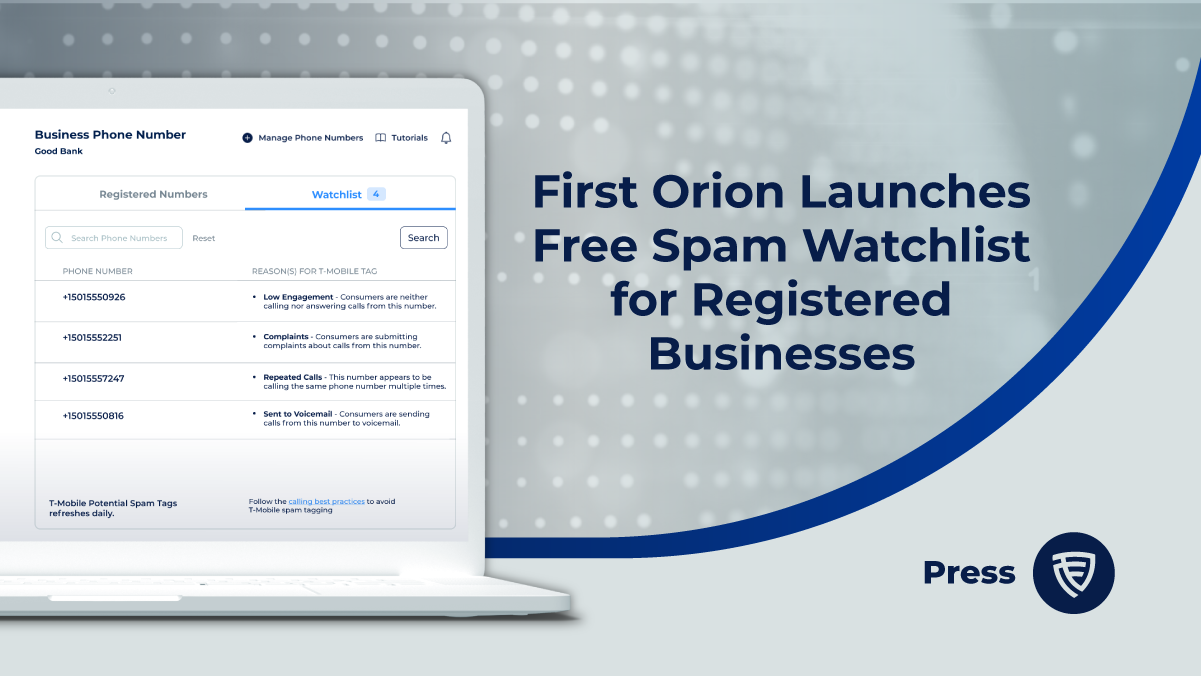
With AFFIRM, customers are provided phone numbers to incorporate into their normal outbound dialing practices. First Orion collects and analyzes the data from these calls and records key attributes, which are available through First Orion’s online portal, providing easy monitoring and notification.
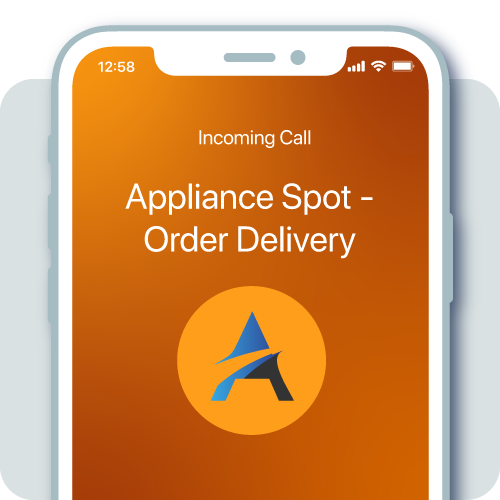
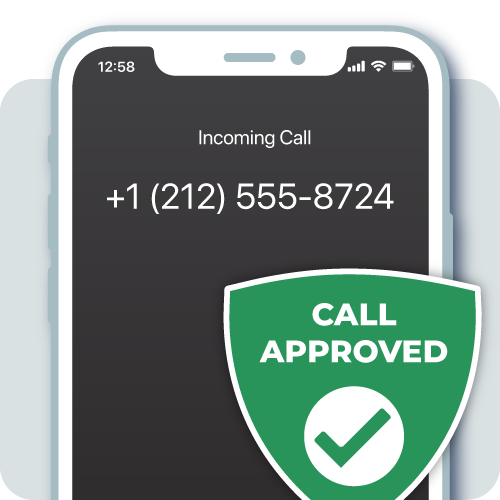
With daily reporting, customers can validate how their calls display on end user mobile devices, such as an anonymous 10-digit number, tagged as scam or spam, or as a branded call. The end goal is to ensure that businesses are informed about their outbound calls and that their calls are delivered with the correct information. Armed with this knowledge, customers can take action to improve calling practices and programs, if necessary.
What are AFFIRM’s Features?
AFFIRM Reputation Monitoring includes a robust set of features:
- Active, Automated Monitoring: Businesses can monitor their call labeling across all U.S. major mobile carriers.
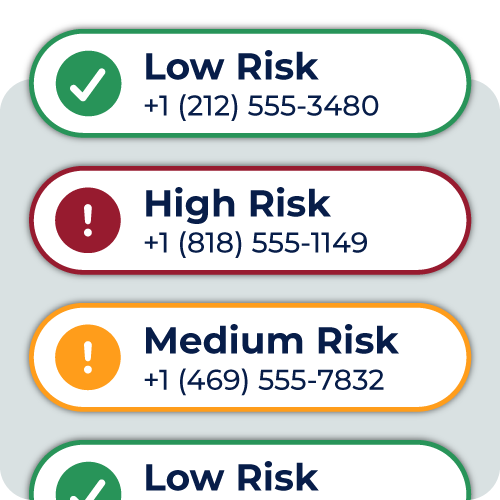
- Spam and Scam Alerts: Receive notifications for any spam or scam tags.
- Detailed Reports: Access detailed call data and tagging history through the Customer Portal.
- User-friendly Dashboard: A comprehensive dashboard overviews call labeling, spam tagging events, and call validation results.
Why Do Legitimate Business Calls Get Labeled as Spam
Carrier algorithms and third-party analytics platforms flag numbers based on signals like call volume, call frequency, complaint rates, and calling patterns that resemble known spam behavior. Even businesses with clean, compliant outbound operations can be caught by these filters, especially during high-volume campaigns or when a number is new. This is why monitoring matters.
Business Number Registration + AFFIRM To Increase the Accuracy of Your Calls’ Display
Phone number registration is the process of submitting your business phone numbers and basic details about your business to the major carriers. Why does this matter?
It’s the foundation of building a verified caller ID and improving your caller ID reputation. When carriers can’t identify who’s calling or why, they err on the side of caution and flag it. But when your business takes the time to register, it signals trust and transparency—two things that go a long way in modern call ecosystems.
Registration alone won’t eliminate all issues, but it strengthens your call protection strategy and ensures your brand starts with a good foundation.
What Results Can Reputation Management Deliver?
Pacific Debt Relief illustrates the cost of relying on manual checks. Before adopting AFFIRM, the company tested outbound numbers with three phones. The process was time-consuming, inconsistent, and difficult to scale.
After implementing AFFIRM, Pacific Debt Relief reported:
- Spam tags dropping to zero across all carriers over time.
- 9,300 validation calls handled automatically each month.
- Approximately 617 manual person-hours avoided each month.
- $3,940 in monthly savings compared with the previous manual process.
- A 20–30% increase in daily business, translating to as much as $700,000 in additional monthly enrollments.
- Capacity equivalent to four full-time hires recovered through automation.
These results should be evaluated in the context of the business, its call volume, and the operational changes it made. The broader lesson is more transferable: when a business can see call reputation at scale, it can spend less time checking numbers manually and more time correcting the behaviors that affect customer reach.
When Should a Business Invest in Reputation Management?
Start before a negative label becomes visible in revenue reporting. A practical trigger is any operation that depends on outbound calls and has one or more of these conditions:
- A large or frequently changing pool of outbound numbers.
- High-volume campaigns or contact-center activity.
- Critical calls involving payments, fraud alerts, appointments, account service, or collections.
- A noticeable change in answer rates without an obvious change in demand or staffing.
- Manual testing that is difficult to run consistently across carriers.
- Multiple business units that need a shared view of number performance.
Reputation management does not replace compliant calling practices, clear consent, or thoughtful outreach. It gives the business a way to observe the customer-facing result of those practices and respond when the result is not what the team intended.
What Is the Next Step for Managing Business Call Reputation?
Treat call reputation as an operational metric with an owner and a review cadence. Inventory the numbers that support your most important customer journeys, establish a carrier-level baseline, and define what your team will do when a number is negatively labeled.
Then connect the data to the outcomes that matter: answer rates, right-party contact, completed appointments, resolved service issues, enrollments, or other measures of customer reach.
Reputation management is good for businesses because it turns an invisible customer-experience problem into a measurable operating signal. Once you can see how a number is presented, you can investigate the cause, take action, and measure whether the fix restored trust at the point where the conversation begins.
Start monitoring your reputation.
About Nesia Dotson
Nesia Dotson is the Associate Director of Product Marketing at First Orion, where she leads go-to-market strategies, messaging, and positioning for cutting-edge communication solutions. With over 18 years of diverse experience, she blends deep expertise in telecom, operations, and leadership to drive initiatives that resonate with customers and deliver business impact.