

Key takeaways
- CRM platforms hold detailed customer history, but that context often disappears when a business sends the next text, notification, or call.
- RCS makes business messages recognizable and interactive, so customers can choose appointment times or return to a purchase without leaving the conversation.
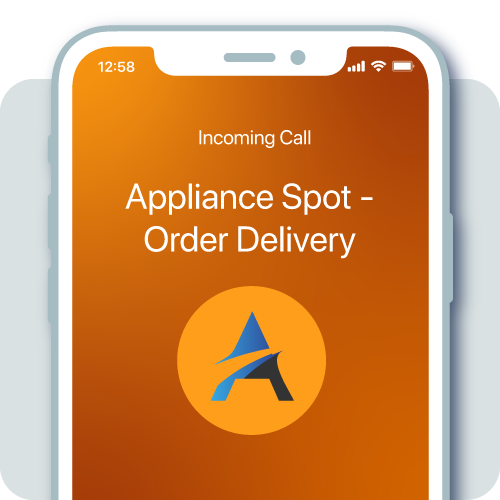
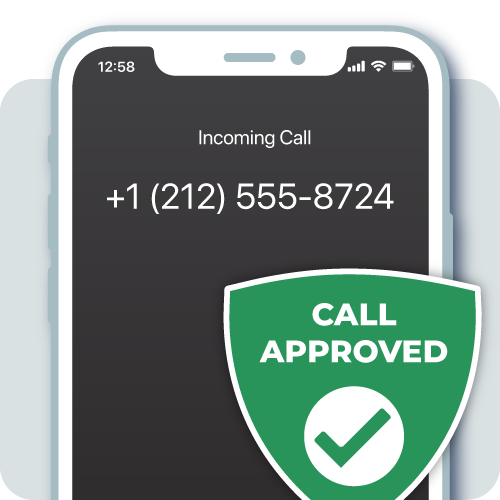
- Branded calling displays a verified business identity, so customers know who is calling before they answer.
- Design the handoff from messaging to a phone call so customers never have to start over or repeat their issue.
- Start with one focused use case, such as appointment management or abandoned purchases, and measure whether customers complete tasks, not only delivery or response rates.
Customer relationship management (CRM) has become very good at identifying businesses' customers. The harder part is making sure customers feel known.
Within CRM platforms, businesses might have a detailed history all their customers: what they purchased, which services they use, when they last requested help, and what they might need next. Yet when businesses reach out, that context can disappear. A text might come from an unfamiliar number, an app notification might arrive without explanation, and a phone call might not indicate who is calling.
The information might be connected internally, but the experience often still feels fragmented This is the disconnect omnichannel was meant to solve. Yet even as businesses add more ways to communicate, customers are often left to piece those interactions together themselves.
The Gap Between the Record and Experience
CRM systems can provide a clear picture of customers' recent activity. It might show whether customers scheduled appointments, started applications, left purchases incomplete, or sought help with problems. Too often, however, the next communication fails to reflect that context.
When messages or calls arrive without a recognizable identity or relevant context, customers must determine whether they are legitimate and how they connect to their previous interactions with the business. Even helpful outreach can feel disconnected from the relationship businesses have worked to build.
Greater transparency in business communications can help close this gap. Rich communication services, or RCS, can make business messages more recognizable, interactive, and useful than conventional text messages, while branded calling can display verified business identities on the phone screen. Connecting these channels to CRM data and workflows helps preserve context from one customer interaction to the next.
From Basic Text to Interactive Communication
I recently received a branded RCS message from T-Mobile. It was colorful, clearly recognizable, and unmistakably connected to the company. I did not have to look at an unfamiliar number and wonder whether the message was legitimate. The identity was built into the interaction. The visual difference was immediately noticeable, but the bigger opportunity is what customers can do within an RCS conversation.
Traditional business text messages are often limited to short notifications and links or basic instructions to reply yes or no. RCS can support options, buttons, images, and other interactive features. Depending on how the experience is designed, customers could review choices, select appointment times, return to their purchases or baskets, or request assistance without leaving the conversation.
Consider an appointment reminder sent by conventional text. The message might ask the customer to confirm attendance. If the time no longer works, however, the customer might need to call or log in to a portal to reschedule.
An RCS interaction could clearly identify the organization, allow the customer to indicate that the appointment no longer works, and enable the customer to review alternative times. Rather than simply alerting customers, the message could help them resolve scheduling conflicts within the same interactions.
For CRM leaders, that is a significant change. Customer context, business identity, and the ability to act can begin to come together in a single exchange.
Design the Handoff, Not Just the Channel
Messaging will not resolve every customer need. Some exchanges are simple enough to complete through automation. Others become more complicated, sensitive, or frustrating and are better handled through conversations.
Businesses should design clear handoffs from messaging to phone conversations when issues can no longer be resolved through the original channel without requiring customers to start over.
Imagine that a customer is using a messaging channel to resolve an account issue or complete a complex transaction. An automated agent might be able to answer questions and handle the initial steps. If the automated agent reaches the limits of what it can resolve, the business could offer the customer a phone call immediately or at a selected time. When the call arrives with the business identity displayed, the customer can recognize it as the one requested. If the messaging, voice, and CRM systems are connected, relevant context from the earlier exchange can be available at the start of the conversation.
The channel has changed, but customer context and progress remain intact. That is what omnichannel CRM should deliver.
Where Connected Communication Matters Most
Businesses do not need the same level of interactivity for every communication. They should start where greater recognition and interactivity can solve a specific customer problem or improve an important business outcome.
Appointment management is one potential starting point. Recovering an abandoned purchase is another, particularly when messages can return customers to the items they were already considering. Account alerts, service updates, and sales follow-ups might also benefit when customers can recognize the senders and take the appropriate next steps.
These interactions frequently cross organizational boundaries. Marketing might initiate an exchange, sales might continue it, and customer service might ultimately resolve it. Regardless of which team is involved, customers should experience one continuous relationship with the business.
Before applying this approach more broadly, decision-makers should decide which customer information should be available in each channel, when automation should hand the interaction to a person, and how results should be recorded in the CRM system. Success should be measured by whether customers complete tasks, resolve problems, or make progress toward a decision, not only by delivery or response rates.
Starting with a focused use case enables businesses to learn what customers find helpful and put the processes and system connections in place to support connected experiences.
CRM Should Connect More Than Data
Customers do not see a messaging operation, contact center, mobile app, and CRM platform. They see one business. When those systems operate independently, customers are left to navigate the gaps.
RCS and branded calling cannot create connected customer journeys on their own. Businesses must still connect the underlying data and workflows, plan transitions between channels, and decide when human involvement is needed. With that foundation in place, these capabilities can bring recognizable business identity and relevant customer context into the communications customers receive.
After decades of talking about omnichannel, there is a straightforward way to judge whether it is working: Can customers move from one interaction to the next without questioning who is contacting them, losing their progress, or having to explain the same issue again.
With business identity and customer context preserved across channels, customers can act with greater confidence and less effort, while businesses can reduce friction, make better use of customer data, and move interactions toward resolution. CRM then becomes more than a record of the relationship. It helps turn customer knowledge into a more connected experience and better outcomes for both the customer and the business.
About Jeff Stalnaker
Jeff Stalnaker is president and co-founder of First Orion, a technology company that provides branded calling and call protection services for mobile carriers, businesses, and consumers.
This article was published in CRM Magazine.