Key takeaways
- AI voice cloning makes family emergency scams harder to detect. Always verify urgent requests for money through a trusted phone number.
- Caller ID can be spoofed. Scammers impersonate banks, retailers, charities, and other trusted organizations to steal money and personal information.
- Holiday charity scams exploit generosity. Research organizations independently and donate through their official websites.
- Gift cards are a major red flag. Legitimate businesses and government agencies will not demand gift cards as payment.
- Fake seasonal job offers can cost you. Verify employers through official channels and never pay upfront to get a job.
The holidays bring more phone calls than any other time of year. People confirm orders, check on travel, call family, and respond to requests to give. Scammers build their scripts around those same calls.
The numbers show the scale. In 2025, consumers filed 3 million fraud reports with the FTC and reported $15.9 billion in losses. Imposter scams were the most frequently reported type of fraud, and Americans reported losing $3.5 billion to them, in nearly one in three fraud reports. Those totals reflect only what people report. The FTC says many victims never file a report.
This guide covers five voice scams that increase during the holidays, with the data behind each one and steps you can take to protect yourself. It also explains what businesses can do to keep scammers from using their phone numbers.
How do AI-cloned "family emergency" calls work?
In this scam, a caller who sounds like your child, grandchild, or sibling says they are in trouble and need money right away. The voice is a clone. Scammers can build one from voicemails, social media videos, podcast interviews, and even customer service calls.
The holidays make the story easier to believe. Families are spread out and talking more by phone and video, so one more call from a relative does not seem unusual. A cybersecurity expert interviewed by Fox Business reports an uptick in AI-generated "family emergency" calls where a cloned voice begs for money.
What the data shows
- A McAfee survey of 7,000 people found that one in four had experienced an AI voice cloning scam or knew someone who had.
- In the same survey, one in ten people said they received a message from an AI voice clone, and 77% of those victims lost money. Of the people who lost money, 36% lost between $500 and $3,000, and 7% lost between $5,000 and $15,000.
- McAfee researchers matched a voice at 95% using a small number of audio files.
- Reporting in December 2025 cited FBI figures showing that seniors lost almost $5 billion to scams, including more than $2.5 billion to "emergency scams" in which fraudsters pose as relatives in need of cash.
How to protect yourself
- Hang up and call back. Call the family member on the number you already have or reach another relative to confirm the story.
- Set a family code word. The National Cybersecurity Alliance recommends using a code word shared with the entire extended family and practicing emergency calls so everyone knows what to do.
- Do not rely on caller ID. Scammers have spoofed phone numbers for years, so a familiar number does not confirm a familiar voice.
- Treat urgency and secrecy as warning signs. A real emergency can survive a two-minute verification call.
How does spoofed caller ID make business impersonation scams work?
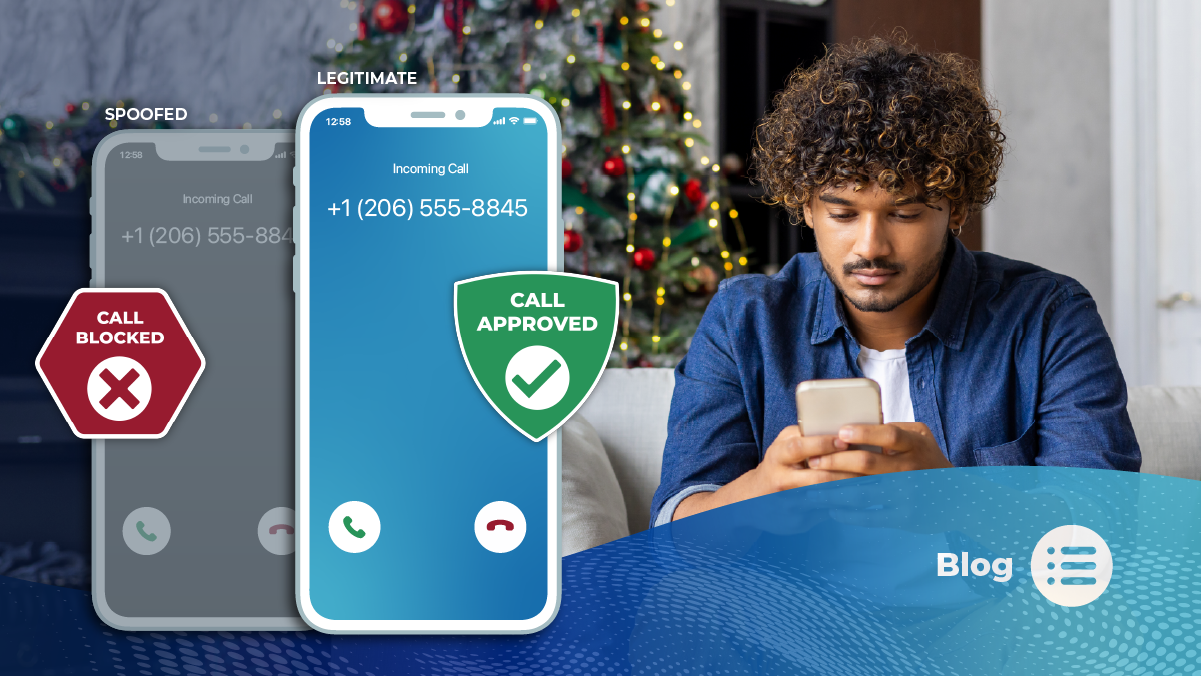
Caller ID spoofing lets a scammer make a call appear to come from your bank, a retailer, a delivery company, or a local number. During the holidays, the script often centers on an order problem, a suspicious charge, or a package that needs action.
What the data shows
- Consumers submitted more than 1 million imposter scam reports in 2025, with reported losses of $3.5 billion.
- The FTC reported a 40% increase in government imposter scam reports during 2025.
- Scammers reach people through texts, phone calls, emails, social media, and search results where fake customer-service numbers are planted.
- The Treasury Department's holiday advisory lists business impersonation, charitable giving, and gift card draining among the most common holiday scams.
How to protect yourself
- Hang up, look up, call back. Find the real number on the company's website or the back of your card and call that number.
- Know what real companies do not ask for. A real bank will never ask you to move money to protect it, read out a one-time passcode, or buy gift cards.
- Do not search for a customer service number in a hurry. Fake numbers appear in search results. Use the official site or the number printed on your card or statement.
- Do not share codes or passwords on an inbound call, even when the caller already knows your name or part of your account number.
How do holiday charity voice scams work?
December is when many people give, and scammers copy the pitch. A caller describes a cause, uses a name that sounds like a known charity, and presses you to donate right now.
What the data shows
- The FBI says fake charities spike in December, with calls or emails pressuring people to donate "right now".
- In one past enforcement action, the FTC and nearly 40 states went after a fundraising operation whose robocalls made up most of 1.3 billion deceptive fundraising calls to 67 million consumers. The operation took in more than $110 million, and in some cases the defendants kept as much as 90 cents of every dollar donated.
How to protect yourself
- Say you will give on your own terms. A legitimate charity will not rush a donor.
- Check the charity first. Charity Navigator, Charity Watch, and the BBB Wise Giving Alliance list real organizations, and the IRS site shows tax-exempt status.
- Donate through the charity's official website, not through a link or number the caller gives you.
- Refuse cash, gift cards, and wire transfers. Requests to pay those ways are a red flag.
Why do scammers demand gift card payments?
Gift cards let scammers collect money fast and stay anonymous. Once you read the numbers on the back of the card to a caller, the money is gone. Credit cards are the safer way to pay because disputes work.
The typical script starts with a call. The FTC describes a caller impersonating a well-known business who says a security problem needs fixing and tells the person to buy a gift card and send a photo of it. Scammers even coach people on what to say if a cashier asks questions.
What the data shows
The FTC's most detailed gift card analysis covers 2021, so use it for scale rather than as a current figure.
- About one in four people who reported losing money to fraud said a scammer tricked them into giving gift card numbers.
- The median reported loss rose from $700 to $1,000, and losses of $5,000 or more grew from about 8% of reports in 2018 to about 14% in 2021.
- Target gift cards carried a median loss of $2,500, the highest of any brand in that period.
- The Treasury advisory notes that 7 in 10 consumers planned to buy gift cards in 2025, which gives scammers a large pool of cover for their requests.
How to protect yourself
- Treat any gift card demand as a scam. The FTC's rule is simple: gift cards are for gifts, not payments.
- Hang up and verify with the company or agency using a number you look up yourself.
- If you already paid, keep the card and the receipt, and report it to the card issuer immediately.
- Report it at ReportFraud.ftc.gov, and tell someone you trust so they recognize the pitch.
How do fake holiday job scams work?
Retailers and delivery companies hire seasonal workers every year, and scammers copy those listings. The contact often comes by text or phone after you apply or post a resume. Some versions are "task" scams, which start with a personalized message from a supposed recruiter. Victims see fake earnings build up in an app, then get told to deposit their own money, often in cryptocurrency, to withdraw them.
What the data shows
- Task scams made up nearly 40% of job scam reports in 2024, according to the FTC.
- One report on 2025 data states that online job scam reports in the first half of 2025 rose 19% from the same period a year earlier, with reported losses approaching $300 million.
- A PasswordManager.com survey found that one in four people who looked for a job in 2025 fell victim to a hiring scam, and about half of those victims had money or personal information stolen.
How to protect yourself
- Watch for the warning signs. The BBB lists no interview, high pay for minimal work, and requests to pay for training or equipment.
- Never pay to get paid. Any request for money upfront in exchange for future earnings is a clear sign of a scam.
- Reject check-and-forward offers. No legitimate employer sends you a check and asks you to deposit it and send part to someone else.
- Do not treat a real listing as proof. In one case reported by Axios, the position was real and posted on a legitimate job board, but the hiring manager on the video call was fake. Go to the company's official careers page, confirm the listing there, and call the number on the official site.
- Guard personal details such as your Social Security number and bank information until you have verified the employer and signed paperwork through official channels.
What should you do if you already paid or shared information?
- Contact your bank, card issuer, or gift card issuer right away.
- Report the scam at ReportFraud.ftc.gov or call 1-877-FTC-HELP.
- If you shared personal information, consider placing a credit freeze with the credit bureaus.
- Tell family and friends what happened. Scammers rely on silence, and sharing the details helps others recognize the same pitch.
How can businesses stop scammers from using their phone numbers?
Most of these scams borrow a trusted name: a bank, a retailer, a delivery company, a charity, or an employer. When scammers spoof a business number, customers may blame the name on the screen, not the scammer behind the call. The business absorbs the damage to trust, and its legitimate calls get ignored.
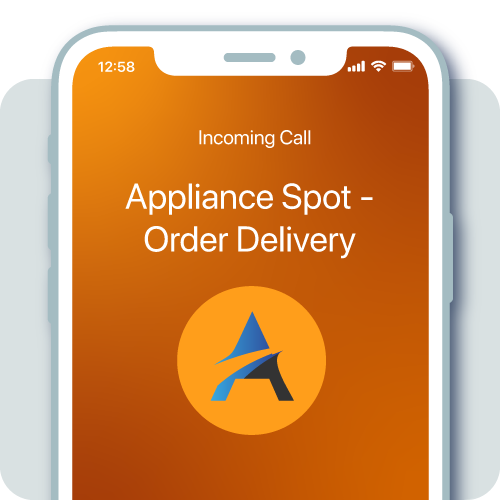
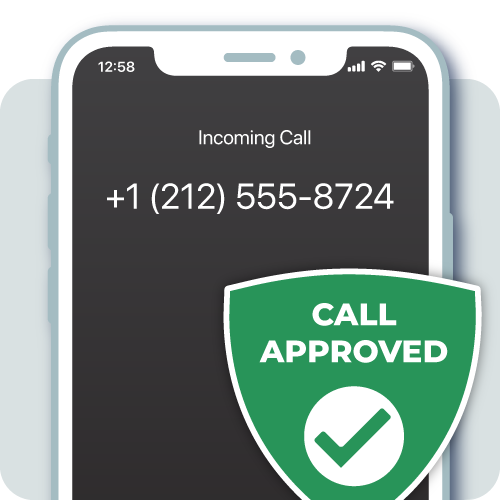
SENTRY® Call Blocking from First Orion addresses that problem at the network level. It stops this by authenticating every outbound call through a unique key system. Before your call is placed, First Orion generates a time-limited key and shares it with the carrier network. When the call reaches the carrier, it checks for that key — legitimate calls are delivered, and anything without a valid key is blocked before it ever reaches your customer.
Protect your business and customers during the holiday season
Scammers can use your business number to deceive customers and damage the trust you’ve worked hard to build. SENTRY Call Blocking from First Orion authenticates outbound calls at the carrier network level, helping legitimate calls reach customers while blocking calls without valid authentication.
Help stop spoofed calls before they reach your customers. Explore SENTRY Call Blocking to learn how First Orion can help protect your business and the people who depend on it.