

Leader Interview from KARV Tech Insider
1. From Finance to Founding First Orion
You began your career in financial leadership before becoming First Orion’s co-founder and first employee. What led you to move from the world of corporate finance and executive management into building a technology company from the ground up, and what has that journey taught you about entrepreneurship and leadership?
A:
I've always loved how technology transforms our lives, so building a technology-based venture made a lot of sense. But the most important thing to me then, 18 years ago, was finding something I was passionate about where I could draw a direct line between what I did every day and how it helped people.
This journey has brought far greater challenges than I envisioned. Balancing competing priorities like raising money, developing technology, finding customers, meeting payroll, hiring the right team, and keeping us on the right path is hard. I have a much greater respect for startups and business owners who have figured out how to do all of it.
2. Building Trust From the First Call
As First Orion’s first employee, you were instrumental in securing early partnerships with MetroPCS and T-Mobile that helped shape the company’s carrier business. What did those early years teach you about identifying a problem before the market fully recognises it?
A:
An underrated and often overlooked aspect of business success is timing. Timing is potentially the most important ingredient of success, even more than the product or the price. A great product at the wrong time will likely fail, while a mediocre product with great timing can achieve a surprising level of success.
At First Orion, we've developed some amazing technologies and game-changing products, but in some cases, the timing wasn't aligned with market readiness or customer demand. Fortunately, the timing of many of our products has been nearly perfect.
3. The Return of the Phone Call
For years, marketers increasingly shifted attention toward digital channels while the phone call became harder to trust and easier to ignore. Why do you believe the phone call is re-emerging as an important part of the modern customer journey?
A:
More than 10 years ago, the FCC and major industry players began taking significant steps to combat scam and spam calls. Regulatory actions, along with carrier-led investments, have driven meaningful improvements in protecting consumers.
First Orion has been, and will continue to be, a champion of restoring trust in the phone call through new technologies, techniques, and offerings that give consumers greater control over their calling experience.
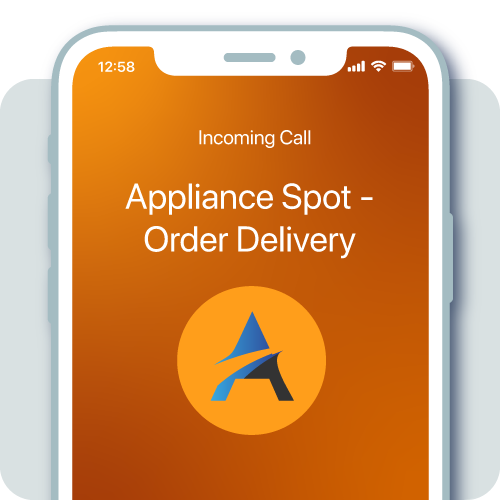
First Orion's branded calling service allows businesses to display their brand identity on incoming calls, giving consumers more information to decide whether to answer. The results are clear, with businesses experiencing increased answer rates, engagement rates, and conversion rates.
As branded calling becomes more widespread, authenticating calls becomes just as important as displaying a business's identity, helping ensure the branded identity is associated with an authorized call and giving consumers greater confidence in who's calling.
4. Trust as the New Customer Experience Layer
Spam, spoofing and unknown-number fatigue have fundamentally changed how consumers respond to calls. How important is trust to the future of voice communication, and what needs to happen for consumers to feel confident answering a call from a business again?
A:
Trust and transparency in the phone call are imperative. Our goal is for every call received by a consumer to carry a trusted identity that allows them to make an informed decision about whether to answer.
Today, consumers still need to guess whether to answer because most calls display only a 10-digit number or potentially inaccurate caller ID information. We're changing that, as the number of branded calls continues to grow each month.
I believe we're quickly moving toward a future where consumers will increasingly base their decision to answer on whether a call carries a trusted identity.
5. Rebuilding the Omnichannel Journey
Customers no longer move through a journey in a straight line. They may discover a brand digitally, receive a message, speak with an agent and return to messaging within the same interaction. How should marketers and CRM leaders rethink the role of voice and messaging within this increasingly connected journey?
A:
I believe that voice is one of the most effective ways to communicate, second only to being there in person. Consumers have told us that in certain situations they want a phone call, while in others, a message is sufficient.
Branded calling and branded messaging technologies are available today, making it possible for businesses to move between channels based on consumer needs or preferences while maintaining a trusted, branded identity.
CRM leaders understandably shifted more attention to digital channels as scam and spam calls eroded trust in voice. But times have changed, and it’s time to reassess the role of phone calls within overall engagement strategies. The key is to ensure that customers can recognize and trust the business communicating with them, regardless of the channel.
The opportunity isn't simply to bring phone calls back. It's to use voice when a conversation can move a customer forward, while relying on messaging or other channels when those are more appropriate.
6. From Branded Calling to Branded Conversations
Branded calling can establish identity and context before a customer answers, while technologies such as RCS are making business messaging richer and more interactive. What becomes possible when businesses begin treating calling and messaging as connected experiences rather than separate channels?
A:
The real beneficiary will be the consumer when these connected experiences become mainstream.
A consumer could be in an RCS messaging conversation with a business about a purchase or financial transaction and, at any point, request a phone call that carries the same trusted brand identity.
Better yet, when the underlying systems are connected, the history of that communication can be available to the business representative, so the consumer doesn't have to restate or re-explain the situation. It's a much more seamless experience.
7. The Intelligence Behind Every Interaction
As AI, authentication and richer communication technologies converge, how do you see the next generation of customer interactions evolving, and what role will trusted identity play in making those experiences more intelligent and personalized?
A:
AI is changing nearly everything for businesses and consumers. At the same time, technology is creating a path toward verified identity across communication channels and interactions.
As AI makes customer communications more automated and personalized, trusted identity becomes even more important. Consumers need to know who they're communicating with, whether they're interacting with a person or an AI-powered system.
Bringing these technologies together creates opportunities for greater efficiency, accuracy, and safety for both businesses and consumers. But those benefits depend on maintaining trust throughout the interaction
8. The Next Chapter of Customer Engagement
Looking ahead, what do you believe the customer engagement landscape will look like three to five years from now, and what is one assumption about the future of marketing or customer experience that you think businesses should reconsider today?
A:
My vision is that in three to five years, every call you receive on your mobile device will either come from someone in your contacts or carry a verified business identity. If a call isn't branded, consumers will be far less likely to answer it.
I think businesses need to reconsider their entire customer engagement approach because new technologies now make it possible to optimize how they communicate across channels based on individual consumer preferences.
Businesses that build connected engagement experiences across email, messaging, and phone calls, with trusted identities across channels and communications tailored to customer preferences, will be well positioned for success.
About Jeff Stalnaker
Jeff Stalnaker is co-founder and employee #1 of First Orion, where he secured pivotal early partnerships with MetroPCS and T-Mobile that established the company's carrier business. He brings extensive executive experience as former CFO and President of Acxiom Corporation's Financial Services Division.
About First Orion
First Orion is a global leader in Transparency in Communications®, helping businesses, carriers, and consumers make every connection more transparent, trusted, and secure. As the pioneer of branded calling, First Orion delivers branded communication solutions that improve engagement, strengthen brand trust, and help combat fraud, spoofing, and unwanted communications.