
How to Build Trusted Customer Engagement with ENRICH® Branded Messaging
Outbound messages face a trust problem: recipients see an anonymous phone number, assume it’s unwanted, and ignore it. RCS (Rich Communication Services) addresses that gap by displaying your verified business name, logo, and branded content directly in the recipient’s native messaging app. ENRICH® Branded Messaging applies that verification across all major U.S. carriers.
In this guide, you’ll learn:
- How RCS works. RCS replaces the limits of SMS with rich media, verified sender identity, and real-time interactivity, and recipients don’t need to download a separate app.
- How RCS differs from SMS and MMS. SMS caps messages at 160 characters of plain text with no identity verification, while RCS adds delivery and read receipts, verified identity, and interactive content.
- Why verified sender identity matters. The FTC reported that consumers lost $470 million to text scams in 2024, which has trained recipients to distrust unfamiliar senders.
- Which features drive engagement. Rich media, interactive carousels, suggested replies and actions, and read receipts let recipients respond with a tap instead of multiple SMS exchanges.
- Which use cases benefit most. Appointment reminders, order and delivery updates, authentication and fraud alerts, and promotional campaigns all gain from branded, interactive messaging.
- How RCS fits with branded calling. Pairing ENRICH with INFORM® Branded Calling gives customers the same verified identity whether you call or text.
- What to consider before deploying. Juniper Research projects business RCS volume will exceed 485 billion by 2030, and teams should plan for device and carrier support, SMS fallback, opt-in compliance, and integration.
First Orion in the News
View All First Orion News
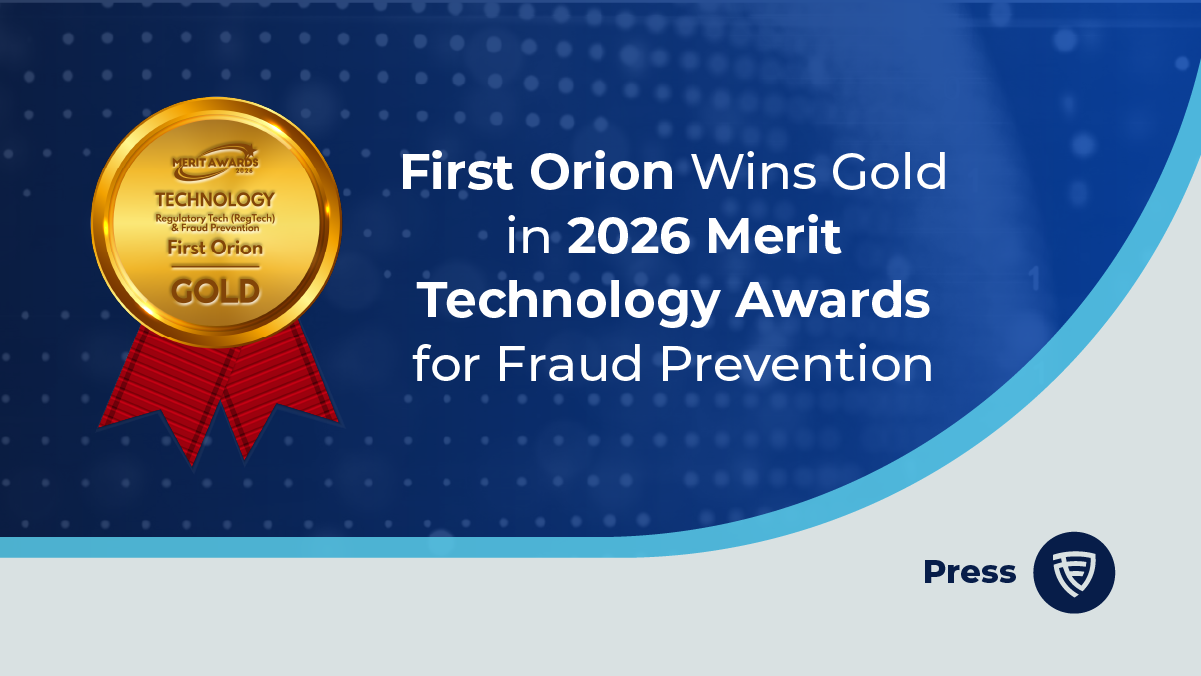
November 10, 2026
First Orion Wins Gold in 2026 Merit Technology Awards
First Orion has won Gold in the Regulatory Tech (RegTech) & Fraud Prevention category of the 2026 Merit Technology Awards, recognizing its integrated approach that combines verified business identity, call authentication, and network-based spoof protection.
Read More

October 22, 2026
First Orion ENRICH Wins Mobile Breakthrough Award
First Orion’s ENRICH Branded Messaging has been named “Telecommunications Solution of the Year” in the 10th annual Mobile Breakthrough Awards, recognizing its verified-identity RCS messaging for businesses.
Read More
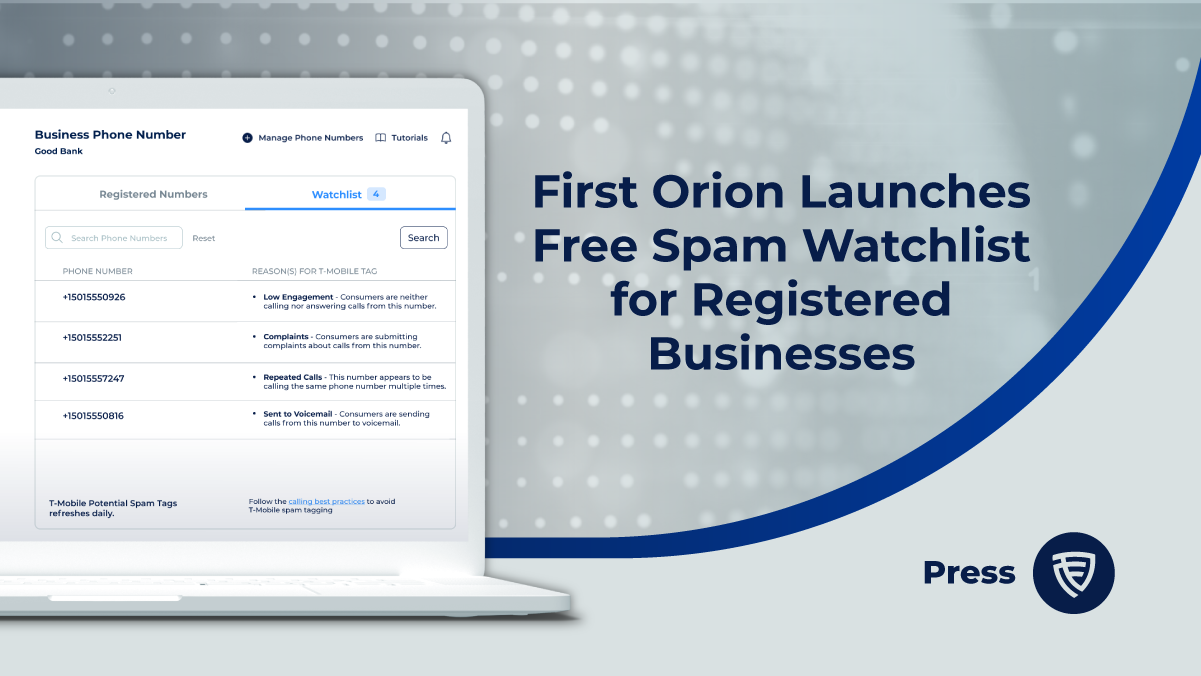
October 13, 2026
First Orion Launches Free Spam Watchlist
First Orion launched Watchlist within its free Business Number Registration service, letting registered businesses see whether their numbers have been tagged as Potential Spam on the T-Mobile network and view the calling behaviors behind the tag.
Read More