
Two things are certain January – April every year: taxes are due, and your customers are being bombarded with fake IRS scam calls1. While we often talk about the victims who lose money to these frauds, there is another victim: the business owner.
When hundreds of millions of fraudulent calls flood the network, it hurts customer trust. Here is how that spike in scams is possibly hitting your bottom line.
The Rise of the “AI Imposter”
Phone calls remain the second most reported contact method for fraud2. Scammers have traded in their robotic scripts for AI-generated voice cloning to mimic real IRS agents.
This technology makes it difficult for the average person to distinguish between a criminal threat and a legitimate government outreach. In fact, many people now report that these AI voices are so convincing they include accurate personal details pulled from recent data breaches, like the last four digits of a social security number, to manufacture a false sense of authority.3
Guilt by Association and the $12.5 Billion Problem
Even if your business does everything right, you’re paying for the scammers’ success. Because 2024 saw a 25% increase in total fraud losses, reaching a staggering $12.5 billion4, carrier filters are now more aggressive than ever. Global losses to robocalling fraud alone were projected to peak at over $80 billion in 20255, forcing telecom providers to tighten their security protocols.
To protect consumers, networks dial up their automated blocking and labeling. This means that during these high-traffic months, your legitimate business calls are significantly more likely to be swept up in spam filters or incorrectly flagged as “Scam Likely.” This reflects a network-wide defense that doesn’t always know how to tell the difference between a fraudulent IRS spoof and your legitimate customer service call.
How First Orion Can Help
First Orion can support businesses through the chaos of tax season with these solutions:
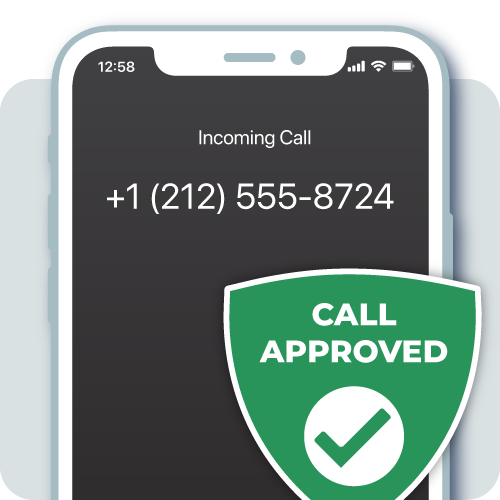
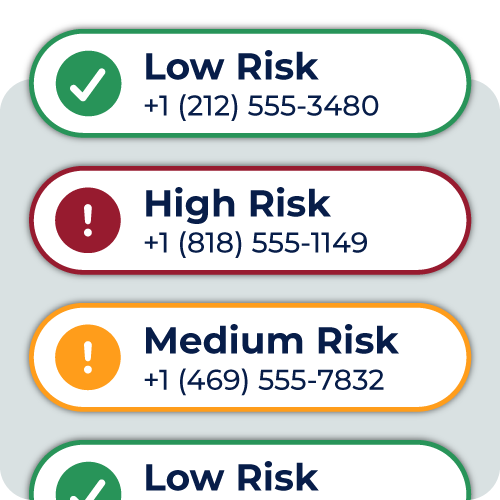
1. Stopping the “Scam Likely” Label Before It Starts
During the tax season surge, carrier filters are on high alert for anything that looks like a high-volume outbound call.
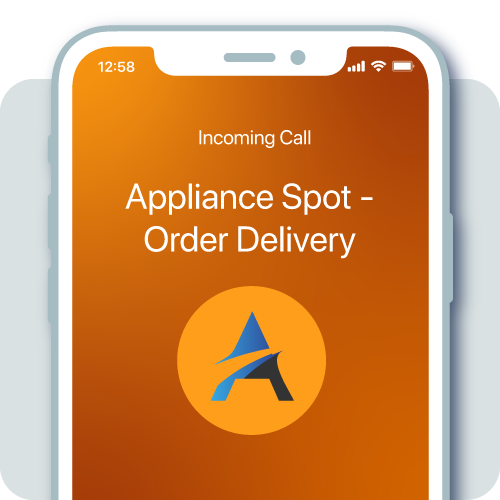
2. Replacing Mystery with Mastery (Branded Calling)
When a customer sees an unknown number in April, they assume it’s a scammer. When they see your logo, they know it’s a partner.
3. Spoof-Proofing Your Reputation
The scariest part of tax season for a business is when a scammer “spoofs” your number to call victims.
4. Reaching Your Audience with RCS
Sometimes the phone is just too noisy. During tax season, a follow-up text is often more effective than a fifth call attempt.
The Bottom Line
Don’t let the shadow of tax season scammers darken your answer rates. While the IRS warns consumers to hang up, we’re here to help your customers feel confident about picking up.
Choose the plan that fits your goals and let’s get to work. Have questions? Contact us today! Our team is ready to help you stop the ‘Spam Likely’ labels for good.”
Sources: