Key Takeaways:
- RCS guarantees delivery via carrier-level priority and automatic SMS fallback, while push notifications rely entirely on internet connectivity and may be delayed or dropped in low-connectivity areas or when devices throttle background data.
- Push notifications require an app download, continued installation, and explicit permissions, creating a friction funnel that breaks the moment a customer deletes the app or disables notifications. RCS reaches users natively through their phone number with no downloads required.
- RCS carriers enforce mandatory Sender Verification, displaying a cryptographically authenticated business name, logo, and verification badge on every message, closing the phishing and overlay-attack vulnerabilities that plague app push notifications.
- Push notifications are cheaper per message, but unreliable delivery creates hidden costs, including increased support tickets, cart abandonment, and customer churn, making RCS the stronger choice for mission-critical alerts such as OTPs and fraud notifications.
Why Delivery Architecture Matters for OTPs, Fraud Alerts, and Tracking Updates
When delivering mission-critical transactional alerts like One-Time Passwords (OTPs), fraud alerts, and real-time delivery tracking, enterprises face a critical architectural decision. Should you rely on your own application's infrastructure via In-App/Push Notifications, or leverage the native cellular network via RCS (Rich Communication Services) Business Messaging?
While push notifications are highly attractive from a pure network cost perspective, they introduce severe operational blind spots and dependencies on user behavior. RCS offers a compelling alternative: combining the rich, interactive capabilities of an app with the near-universal reach and security of native text messaging.
A head-to-head comparison across core operational metrics demonstrates how these channels perform when delivery is non-negotiable.
The Transactional Matrix: RCS vs. Push Notifications
| Metric | In-App / Push Notifications | RCS Messaging |
|---|---|---|
| Delivery Success Rate |
Volatile
Dependent on active data connections, background app state, and OS-level battery optimization. |
Near Universal
Leverages native carrier routing; automatically fails over to standard A2P SMS if data is offline. |
| Transactional Open Rate |
Average
High for users who see them, but heavily degraded by silent delivery or turned-off alerts. |
Average
Handled via the device's native messaging inbox, which consumers check habitually. |
| Cost-per-Message |
Fractional/Zero
Incurs no carrier fees; costs are limited to internal server infrastructure and push provider tiers. |
Per-Message/Per-Conversation Fees
Wholesale network costs apply, though offset by long-text consolidation. |
| User Friction |
High Requirement
Requires the user to download the app, keep it installed, and explicitly grant system-level notification permissions. |
Zero Requirement
Out-of-the-box native functionality on Android and modern iOS devices. No downloads or opt-ins required. |
| Security and Trust |
App-Bound
Secure within the app ecosystem but easily spoofed if scammers mimic the push UI or phishing links. |
Carrier-Verified
Features cryptographic, sender-level verification with official logos and checkmarks that cannot be spoofed. |
What is the Difference Between Push Notifications and RCS for Transactional Delivery?
The primary difference between push notifications and RCS lies in the underlying routing architecture.
Push notifications rely entirely on the internet to send a payload from your servers to Apple's APNs or Google's FCM, which then passes it to your app. If the user's mobile device is in a low-connectivity area, or if the operating system has throttled background app data to preserve battery, that push notification can be severely delayed or dropped entirely.
RCS, conversely, is a cellular standard handled natively by mobile network operators. It treats transactional messages with carrier-level prioritization. Furthermore, enterprise-grade RCS frameworks include an automatic fallback mechanism: if a recipient’s data connection is completely offline or they are roaming on an unsupported network, the network seamlessly converts the payload into a standard A2P SMS. This ensures that a critical authentication code arrives in seconds, regardless of the user's software state.
Why Do Push Notifications Introduce Higher User Friction?
For an enterprise to successfully deliver a transactional push notification, the consumer must complete an extensive friction funnel:
- They must find and download your branded mobile application.
- They must keep the app installed on their device over time.
- They must explicitly grant system-level permissions to allow notifications.
If a customer deletes your app to clear space, or if they toggle notifications off due to marketing fatigue, your communication channel with that customer is permanently broken.
RCS eliminates this entire friction funnel. It delivers rich, interactive, app-like experiences—complete with high-resolution images, carousels, maps, and suggested action buttons—directly to the device's native, pre-installed messaging inbox. Because it is tied directly to the user’s mobile phone number, it requires no application downloads, no account registrations, and no manual permission management from the customer.
How Do the Security Profiles of App Push and RCS Compare?
Security is a paramount concern for transactional alerts, particularly for financial institutions issuing OTPs or account changes.
In-app environments are inherently secure once a user is logged in, but the notification layer itself is increasingly vulnerable to exploitation. Mobile scammers frequently utilize "overlay attacks" or design lookalike phishing links that mimic standard push notifications to trick anxious users during a simulated account emergency.
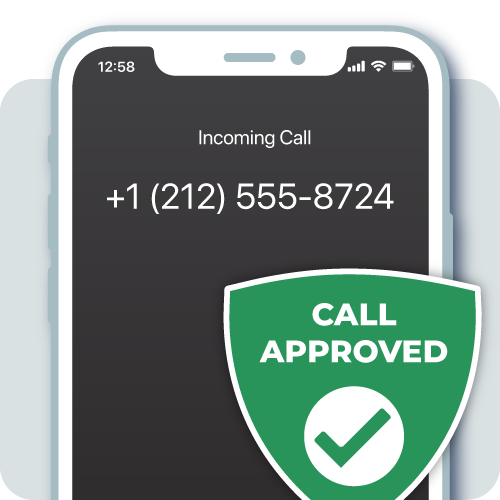
RCS solves this vulnerability through mandatory, centralized Sender Verification. Before an enterprise can send a single RCS message, they must clear a strict verification process managed by the mobile carriers. Once approved, every message sent displays the enterprise's verified business name, exact brand logo, and a visible verification badge. Because this branding is cryptographically authenticated at the carrier level, bad actors cannot spoof your identity or masquerade as your business, providing consumers with visual validation that the alert is authentic and safe to interact with.
The Financial Trade-off: Operational Savings vs. Hidden Costs
From a pure budgetary line-item perspective, push notifications are practically free to send. This makes them highly efficient for non-critical, high-frequency updates, such as letting a user know their food delivery driver has started their engine.
However, relying strictly on push notifications for critical, time-sensitive transactional touchpoints introduces massive hidden operational costs:
- Elevated Support Costs: Delayed or missing OTP push alerts drive a direct spike in inbound customer service tickets and call center volume from locked-out users.
- Cart Abandonment: Delays in checkout verification or payment confirmation loops lead directly to abandoned transactions and lost business revenue.
- Churn Risk: A consistently unreliable notification experience damages consumer trust, pushing users toward competitors with smoother operational workflows.
While RCS carries a per-message or per-conversation network fee, its financial return is realized through guaranteed delivery, verified brand equity, and a friction-free user experience. By deploying a blended strategy—utilizing push for casual updates and native RCS for mission-critical alerts—enterprises can protect their operational efficiency and their bottom line.
What is ENRICH Branded Messaging?
ENRICH Branded Messaging is built on RCS (Rich Communication Services), the next-generation messaging standard designed to replace outdated SMS and MMS. Unlike traditional text messages limited to 160 characters and plain text, RCS brings rich media, branding, and interactivity to the conversation.
With ENRICH Branded Messaging, businesses can:
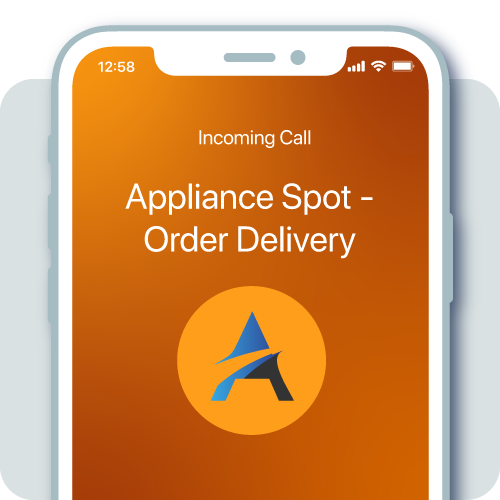
- Send visually branded messages with logos, colors, and business descriptions
- Add interactive features like rich cards, carousels, and suggested action buttons
- Deliver secure, verified communication customers can trust
- Replace clunky one-time passwords (OTPs) with one-tap confirmations for a seamless experience
The result? A modern, engaging, and secure communication channel that strengthens brand trust while making customer interactions easier than ever.
SMS vs. RCS Messaging
The difference between SMS and RCS messaging is night and day.
| Feature | SMS | RCS |
|---|---|---|
| Message Format | Text-only, 160-character limit | Rich format with unlimited characters |
| Branding | No branding; sender ID often unrecognized | Verified business name, logo, and branding |
| Interactivity | Limited to links; not interactive features | Interactive buttons, quick replies, & suggested actions |
| Security | Low security; easily spoofed | High security; verified & encrypted |
| Media Support | Plain text only | Supports images, videos, carousels, & rich media |
| Verification | No built-in verification | Verified identity & brand authentication |
| Cross-Platform Support | Universal across all devices | Available on Android & iOS 18.1 or newer |
| Business Use Case | Best suited for simple, one-way notifications like reminders, alerts, or basic promotions | Ideal for secure, interactive, & branded two-way customer engagement with rich media and one-tap actions |
| Customer Experience | No advanced features beyond basic text delivery | Suggested replies, typing indicators, read receipts, & branded sender profiles |
Commons ENRICH Branded Messaging Questions
What reporting is available with ENRICH? ENRICH Branded Messaging provides key metrics, quantity of messages sent, quantity of received messages, rich media count, and opt-out rate, to support businesses in optimizing their messaging campaigns.
Can I use ENRICH for two-way conversations with customers? ENRICH provisions two-way conversational application-to-person (A2P) messaging through the RCS channel. This allows the business to send branded messages via First Orion's API and receive customer replies via First Orion's webhook.
What devices or carriers support RCS and ENRICH? ENRICH reaches all Android and iOS devices (version 18.1 and above) across all major US carriers.
How is ENRICH different from traditional SMS or MMS? ENRICH leverages Rich Communications Services (RCS). While both RCS and SMS are delivered in the recipient's native messaging application, SMS is limited to 160 characters of text and relies on MMS capabilities to support picture and video. ENRICH delivers rich, interactive experiences typically reserved for third-party messaging applications and enables rich media content like high-resolution images, media attachments, and carousels.
Ready to Move Beyond the Limits of Push Notifications?
Mission-critical alerts deserve a channel built for guaranteed delivery, not one at the mercy of connectivity and app permissions. ENRICH® Branded Messaging brings the full power of RCS to your enterprise, pairing carrier-verified sender identity with rich, interactive messaging that reaches every customer natively, no app required. See how ENRICH can protect your bottom line and your brand trust.
The Solutions Behind Every Trusted Connection
From small businesses to global enterprises, First Orion helps you increase answer rates, verify identity, and build customer trust and transparency.
INFORM® Branded Calling - Show your business name, logo, and reason for call so more customers answer with confidence.
ENRICH® Branded Messaging – Deliver personalized, secure RCS messaging with verified sender identity and rich media.
AFFIRM® Reputation Monitoring - Monitor how your outbound calls appear and catch labeling discrepancies fast.
SENTRY® Call Blocking - Block bad actors from spoofing your numbers, protecting trust with your customers.
PROTECT+ Risk Detection - Detect suspicious inbound call activity in real time with intelligent risk analysis.
Related Resources:
5 Principles for Navigating the RCS Evolution
ENRICH Branded Messaging the Smarter, Faster Way to Engage With Customers
Beyond OTP: Securing the Future of Customer Verification With RCS
How Branded Messaging Turns Anonymous Texts into Trusted Conversations