
If you’ve logged into a banking app, changed your password, or booked a flight lately, chances are you’ve used a one-time passcode (OTP). In fact, OTPs account for 38% of all application-to-person (A2P) messaging traffic—a staggering 180+ billion messages in North America alone last year1.
But here’s the problem: OTP is no longer enough.
Fraudsters have adapted. Through phishing, SIM swapping, and malware, they’ve found clever ways to intercept or manipulate these codes, and that puts your customers and your brand at risk. As businesses, we must move faster. We need a solution that’s more secure, less error-prone, and better aligned with today’s mobile behaviors. That solution is rich communication services (RCS).
Why RCS Changes the Game for Customer Verification
RCS represents the next evolution in mobile messaging that’s not only smarter and more secure but also designed for seamless user experiences.
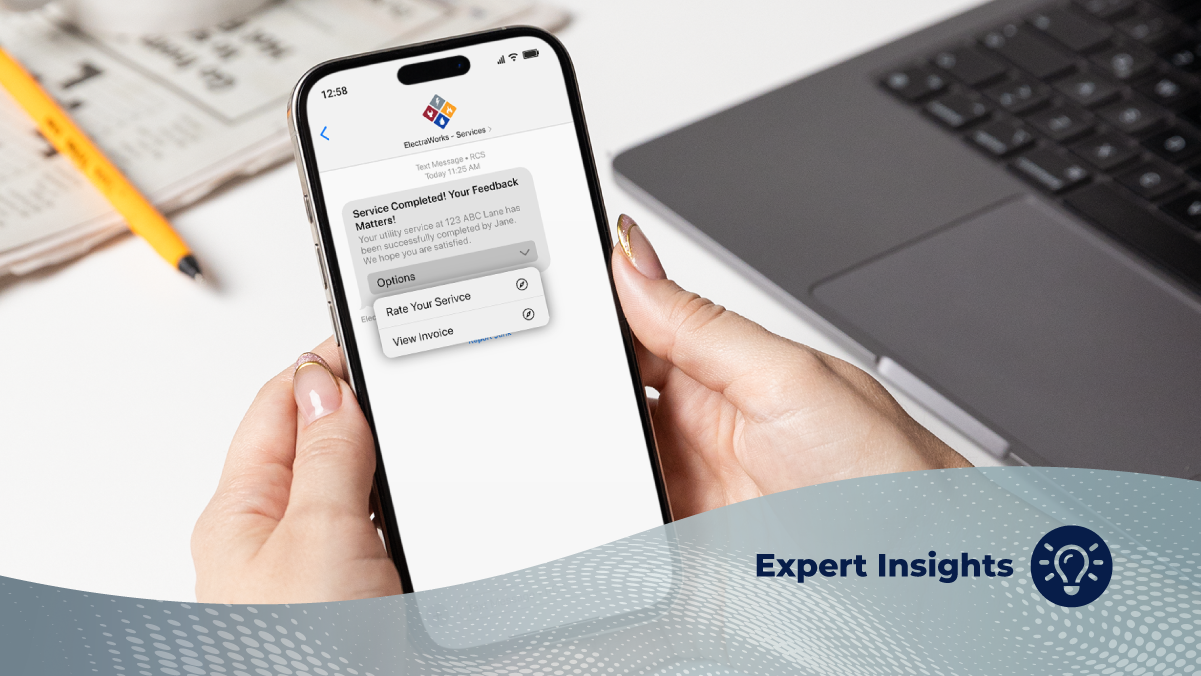
Instead of sending a six-digit OTP that a user must manually enter into an app, RCS allows for real-time identity verification directly inside the native messaging app. Through rich cards and interactive buttons, users can confirm their identity with a single tap, with no copying, switching apps, or mistakes.
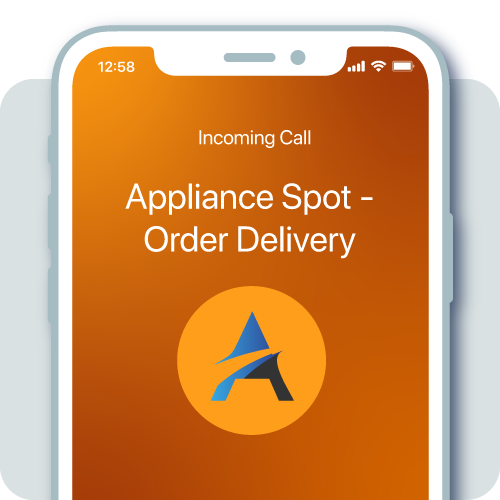
Even better, RCS enables verified sender identities, so users know exactly who is contacting them. That branding and trust are major deterrents to fraud.
Let’s Talk Friction: Why SMS OTP Is Outdated
Here’s how SMS-based OTP works today:
This process is clunky and full of friction. Maybe the code times out, it’s mistyped, or the customer is on a different device and can’t switch back and forth easily. And in the worst case, that message gets intercepted.
RCS eliminates those steps with a native click-to-verify flow, no third-party apps, no confusion, and no delay.
Security Isn’t Optional Anymore. It’s Strategic.
Let’s break down how RCS addresses today’s top fraud concerns:
With SMS, a stolen number = stolen messages. With RCS, enterprises can verify device context such as IP, user agent, and other metadata to ensure the message goes to the right person on the right device.
Malicious software can forward SMS OTPs to attackers. RCS eliminates this threat by removing the need for physical codes and confirming both the device and user during verification.
Fake sites can lure users into submitting OTPs. RCS keeps verification inside the secure messaging app, shutting the door on man-in-the-middle attacks.
A Better Experience = A Stronger Brand
Security is important, but customer experience is everything. RCS safer and smarter:
If you’re serious about protecting your customers and reputation, RCS gives you tools that SMS simply can’t.
Verified Messaging Builds Long-Term Trust
The SMS ecosystem has a spoofing problem. With very little effort, bad actors can pretend to be your brand. RCS solves this by requiring verified sender registration, so your messages can’t be easily faked.
This is both a security win and a brand equity win.
When your customers see your verified identity, logo, and trusted interface, they’re more likely to engage and stay loyal.
What’s Next?
Apple’s upcoming adoption of RCS only underscores how critical this shift is becoming. Enterprises that start migrating now will be ahead of the curve by offering their customers a more secure and modern experience.
As fraudsters continue to innovate, we can’t afford to rely on yesterday’s tools. RCS represents a major leap forward in technology and trust.
At First Orion, we believe customer verification should be fast, secure, and frictionless. And with RCS, that future is already here.
Key Takeaways
- OTPs are everywhere, but increasingly vulnerable
- RCS offers code-free, click-to-verify flows inside the messaging app
- Enterprises gain verified sender identities, enhanced security, and better UX
- Fraud vectors like SIM swapping, phishing, and malware are dramatically reduced
- RCS delivers a branded, trusted, and streamlined verification experience
Source: