Key takeaways:
- Robocalls use autodialers to deliver pre-recorded messages, and most are illegal scams rather than legitimate alerts.
- Spoofing falsifies caller ID to impersonate trusted brands, tricking recipients into answering and sharing sensitive information.
- Spoofed numbers hurt businesses through declining answer rates, regulatory complaints, brand erosion, and missed operational communications.
- SENTRY Call Blocking verifies calls in real time, identifies fraudulent patterns, and blocks malicious actors before they reach customers.
Business identity theft, specifically number spoofing, is on the rise. For enterprises, the cost can be missed calls and a weakened brand reputation. Here is everything you need to know about spoofing and how to prevent it with SENTRY® Call Blocking.
What is a Robocall?
To protect your business, you must first understand the threat’s mechanism.
A robocall is a phone call that delivers a pre-recorded message using an autodialer. While some robocalls are legal and helpful(such as flight delay notifications or school closing alerts), the vast majority are illegal robocalls used by scammers to reach millions of people at a low cost.
What is Business Number Spoofing?
Spoofing occurs when a scammer or malicious actor deliberately falsifies the information transmitted to your caller ID display to disguise their identity.
Scammers often use “neighbor spoofing” or “brand spoofing” to mimic the phone numbers of trusted organizations (like banks, healthcare providers, or government agencies). Their goal is to trick the recipient into answering the call and providing sensitive information, such as social security numbers or credit card details.
The High Cost of Spoofing: Why Businesses are at Risk
When scammers hijack your numbers, your customers may blame the name on the screen, not the scammer behind the call.
The Impact on Your Brand
Declining Answer Rates: As customers become wary of your “flagged” numbers, legitimate calls go unanswered.
Legal & Regulatory Risks: Spoofed number can lead to an influx of “Do Not Call” complaints against your legitimate business.
Brand Erosion: Customers associate your brand name with harassment and fraud.
Operational Loss: Vital communications (appointment reminders, delivery updates, fraud alerts) fail to reach the intended party.
How SENTRY Works
Powered by First Orion’s advanced CallAuthentication feature, SENTRY creates a protective shield around your outbound communication:
- Real-Time Verification: The technology verifies a call’s authenticity the moment it is placed.
- Identification: It identifies bad actors and fraudulent patterns in real-time.
- Proactive Blocking: Malicious actors are blocked before the call reaches the customer.
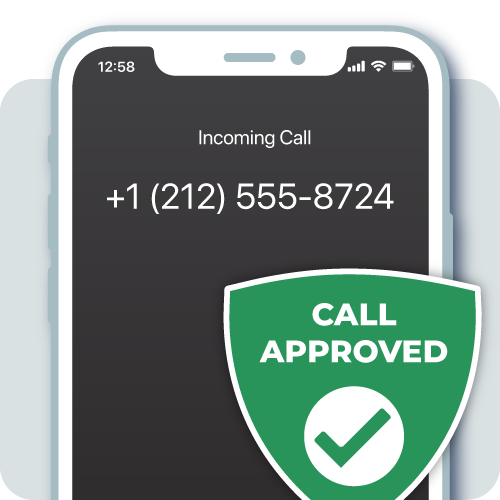
- Authorized Delivery: Only legitimate calls from your verified business are allowed through to the consumer.
Why Choose SENTRY for Call Blocking?
By integrating SENTRY Call Blocking, enterprises can take back control of their outbound voice strategy.
Restore Confidence in Your Brand’s Voice
Call spoofing scams are among the most damaging forms of fraud in the U.S. today. Don’t let scammers dictate the value of your phone number. With SENTRY, you can protect your customers, secure your reputation, and ensure your voice is heard. Learn more about how SENTRY Call Blocking protects businesses.
Learn more about how SENTRY Call Blocking protects businesses.
Learn About the Solutions Behind Every Trusted Connection
From small businesses to global enterprises, First Orion helps you increase answer rates, verify identity, and build customer trust and transparency.
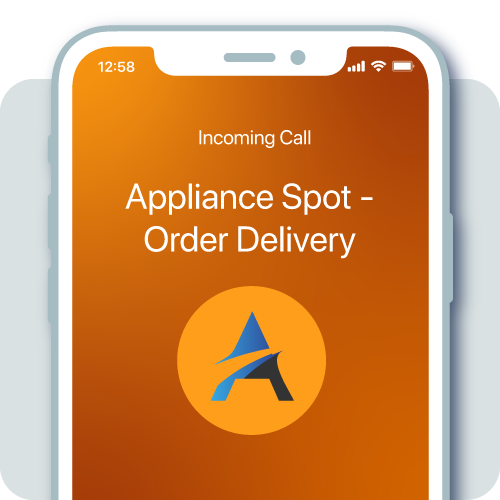
INFORM® Branded Calling - Show your business name, logo, and reason for call so more customers answer with confidence.
ENRICH® Branded Messaging – Deliver personalized, secure RCS messaging with verified sender identity and rich media.
AFFIRM® Reputation Monitoring - Monitor how your outbound calls appear and catch labeling discrepancies fast.
SENTRY® Call Blocking - Block bad actors from spoofing your numbers, protecting trust with your customers.
PROTECT+ Risk Detection - Detect suspicious inbound call activity in real time with intelligent risk analysis.
Related Resources
Why Businesses are Ditching CNAM for INFORM
What First Orion's Survey Reveals About the Real Cost of Missed Calls
Trust You Can See: The New Standard For Trusted Business Communications
How Can Enterprises Get More Value from Branded Calling?
Sources:
1. FTC 2025 Data Spotlight
2. Pew Research Center 2025 Report
3. First Orion 2025 Report
4. FTC 2025 Consumer Protection Data Spotlight