Key takeaways:
- One bank warned customers about fraudulent texts from the fraud department that link to fake login pages.
- The scam follows a script: a fake text alert, then a call from someone posing as a member of the bank's fraud team.
- The FBI received more than 191,000 phishing and spoofing complaints in 2025.
- Standard texts cannot prove who sent them, so customers must judge each message themselves.
- Verified RCS messaging shows a bank's name and logo, so customers can see which messages are real.
- First Orion’s ENRICH® Branded Messaging, INFORM® with Logo, INFORM with Call Authentication, SENTRY® Call Blocking extends that verification across texts and calls. that verification across texts and calls.
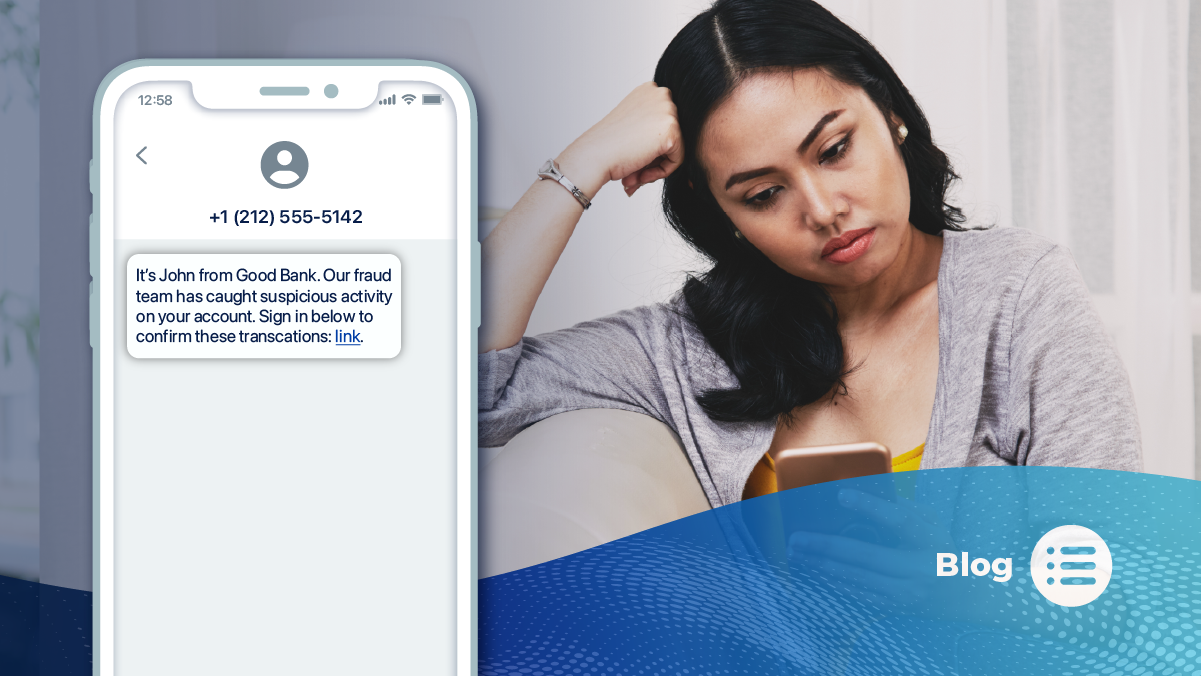
One bank warned customers of unsolicited texts or emails claiming to be from the bank's fraud department. The messages included links to “verify a charge” or “cancel a transaction” and led to a fake website designed to steal login credentials.
The bank’s advice was direct: Do not reply to the text, do not click links, and hang up on callers, then verify through a trusted number such as the one on the back of the debit card.
Banks can learn a lot from a scam like this. Here is how it works, why it keeps working, and what banks can do about it.
What is the fake fraud text scam?
The scam follows a repeatable script. A text claims there is a problem, such as a suspicious charge, a locked card, or an unrecognized device. It asks the customer to reply or call. A live caller then poses as a member of the bank's fraud team and asks for login details, a one-time code, or a transfer.
Banks and credit unions describe the same sequence. One bank said fraudsters send texts asking customers to confirm a fake transaction, then call while impersonating the bank's fraud center.
The pattern has been circulating for years. The FTC's 2022 analysis found that bogus bank fraud warnings were the most common text scam reported to the agency, with reports up nearly twentyfold since 2019.
Why do these texts work so well?
They copy something customers already trust. Banks send real fraud alerts by text, so customers expect them. A fake alert that matches the format of a real one gives the customer no reason to doubt it.
They also run in two steps. The text creates urgency, and the phone call finishes the job. A defense that covers only one channel leaves the other open. Most importantly, customers have no reliable way to check. A standard text shows a phone number and a block of words.
Why does this matter to banks?
Fraud alerts are among the most time-sensitive messages a bank sends, and they only work if customers read them and act quickly. When fake alerts look the same as real ones, customers face a bad choice: trust a message that may be fake or ignore one that may be real. Either outcome weakens the bank's most important line of contact.
Customers should judge every message on their own while scammers keep refining their copy. The Bank Policy Institute notes that banking depends on trust, and scam tactics exploit that same trust. Banks that give customers a way to confirm who is messaging them protect that trust directly.
How does First Orion’s RCS messaging help?
First Orion’s ENRICH Branded Messaging, powered by RCS, helps banks send RCS messages that carry their verified brand identity. For a bank, that supports the messages customers most need to trust:
- Fraud alerts and suspicious activity notices
- One-time passcodes and transaction confirmations
- Payment reminders and account updates
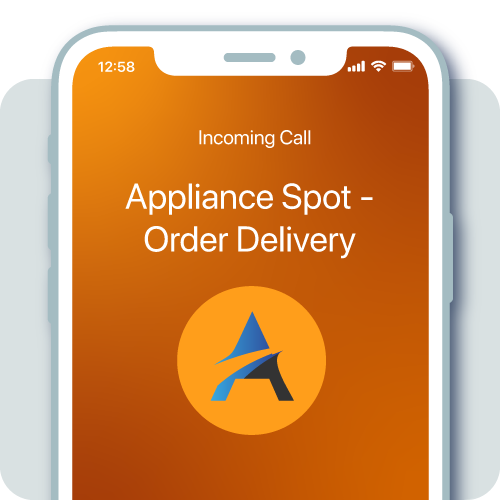
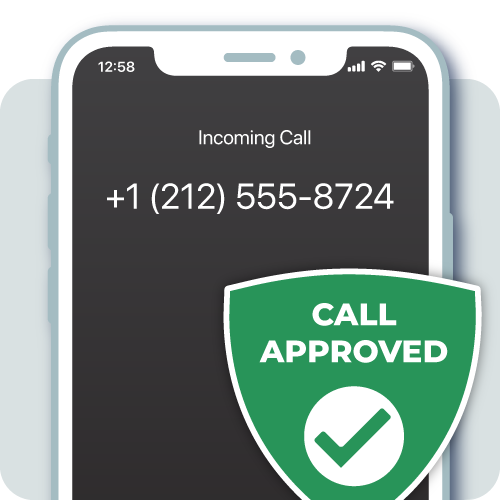
These scams also push customers to call a number or take a follow-up call. First Orion’s INFORM with Logo, or its SENTRY Call Blocking solutions, address the second step by displaying a bank's verified name and logo on authenticated outbound calls, so customers who receive a call from their bank can see and trust who is calling.
Together, the three solutions give customers a consistent signal. A text or call from the bank shows the bank's verified identity. A message without it deserves a second look. That is a simpler rule than asking customers to inspect every message for clues.
What can banks learn from these fake fraud texts?
- Expect the scam to look identical to a real alert. Plan for copied messages, not clumsy ones.
- Move verification from the customer to the channel. Verify sender identity before the customer.
- Cover texts and calls. The script uses both, so the defense should too.
- Pair education with verification. Keep teaching customers how the bank does and does not contact them.
Banks that verify their messages give customers something concrete to trust. Talk with First Orion about how ENRICH, INFORM with Logo, and SENTRY can help your bank prove which messages and calls are real.
Branded Messaging FAQs
How is ENRICH different from traditional SMS or MMS?
While both RCS and SMS are delivered in the recipient's native messaging application, SMS is limited to 160 characters of text and relies on MMS capabilities to support pictures and videos. ENRICH delivers rich, interactive experiences typically reserved for third-party messaging applications and enables rich media content like high-resolution images, media attachments, and carousels.
Can I use ENRICH for two-way conversations with customers?
ENRICH provisions two-way conversational application-to-person (A2P) messaging through the RCS channel. This allows the business to send branded messages via First Orion's API and receive customer replies via First Orion's webhook.
What devices or carriers support RCS and ENRICH?
ENRICH reaches all Android and iOS devices (version 18.1 and above) across all major US carriers.
What happens if a recipient's phone does not support RCS?
RCS platforms can automatically fall back to SMS when the recipient's device lacks RCS support. This ensures your message reaches the customer regardless of device capabilities. First Orion handles this fallback routing automatically through the ENRICH platform.
Related Resources
ENRICH Branded Messaging Guide for Banks and Credit Unions in 2026
ENRICH Best Practices: How to Get the Most Out of Every Branded Message
Trust You Can See: The New Standard for Trusted Business Communications
A2P Messaging vs. Traditional SMS: How ENRICH Branded Messaging Delivers Rich Experiences